Arabic can name an action again after its verb to emphasise it, describe how it happened or say how many times it occurred. This construction uses the absolute object. Start with the writing action, then compare a plain verbal noun, a described verbal noun and a form counting two prostrations.
01Name the action with a verbal noun
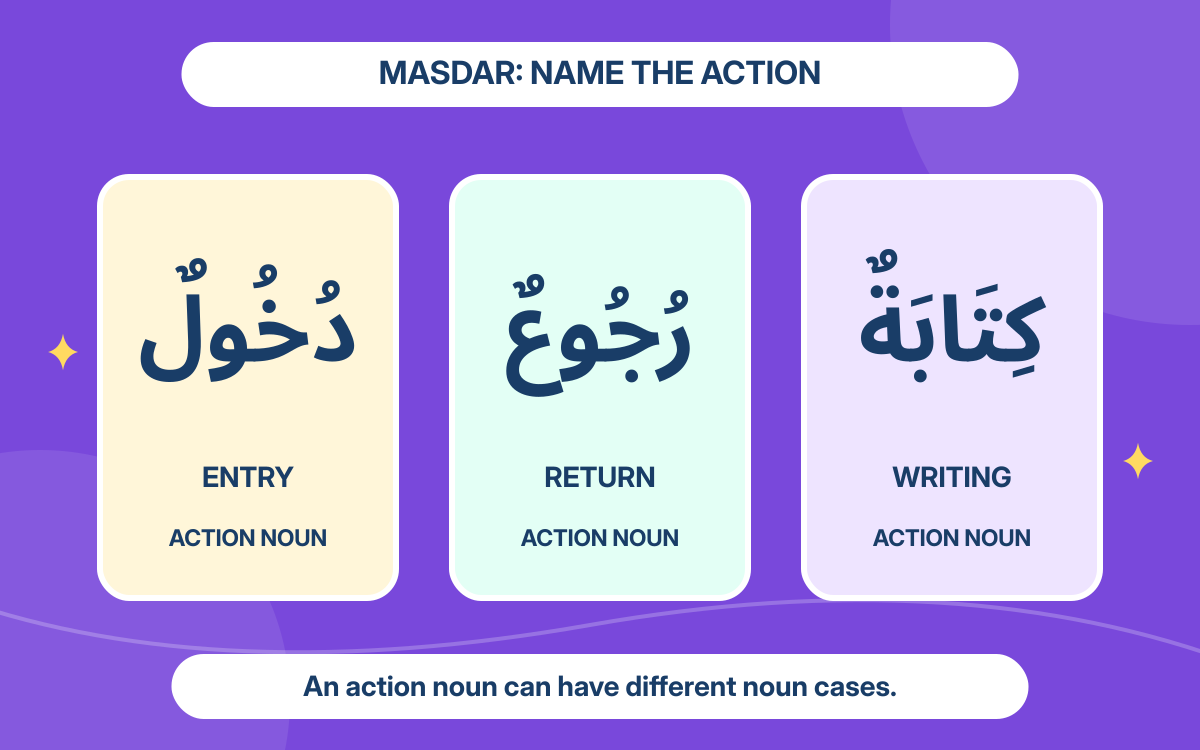
A masdar, مَصْدَرٌ, is a verbal noun naming an action without specifying a tense. Kataba means he wrote; kitabah means writing. They share the root letters ك ت ب.
كَتَبَ كِتَابَةً
kataba kitabatan
He wrote. — the writing action is emphasised
Here kitabatan is an absolute object, مَفْعُولٌ مُطْلَقٌ. It is accusative and names the action of the verb. This indefinite singular form ends in fathah tanween, an. The verb supplies the past tense; the verbal noun itself does not mean he or past.
02Emphasise the action, rather than name its object
In the first example, the plain verbal noun emphasises that the writing action took place. It does not specify a style of writing or count the occurrences. English usually expresses this emphasis without repeating writing as a noun.
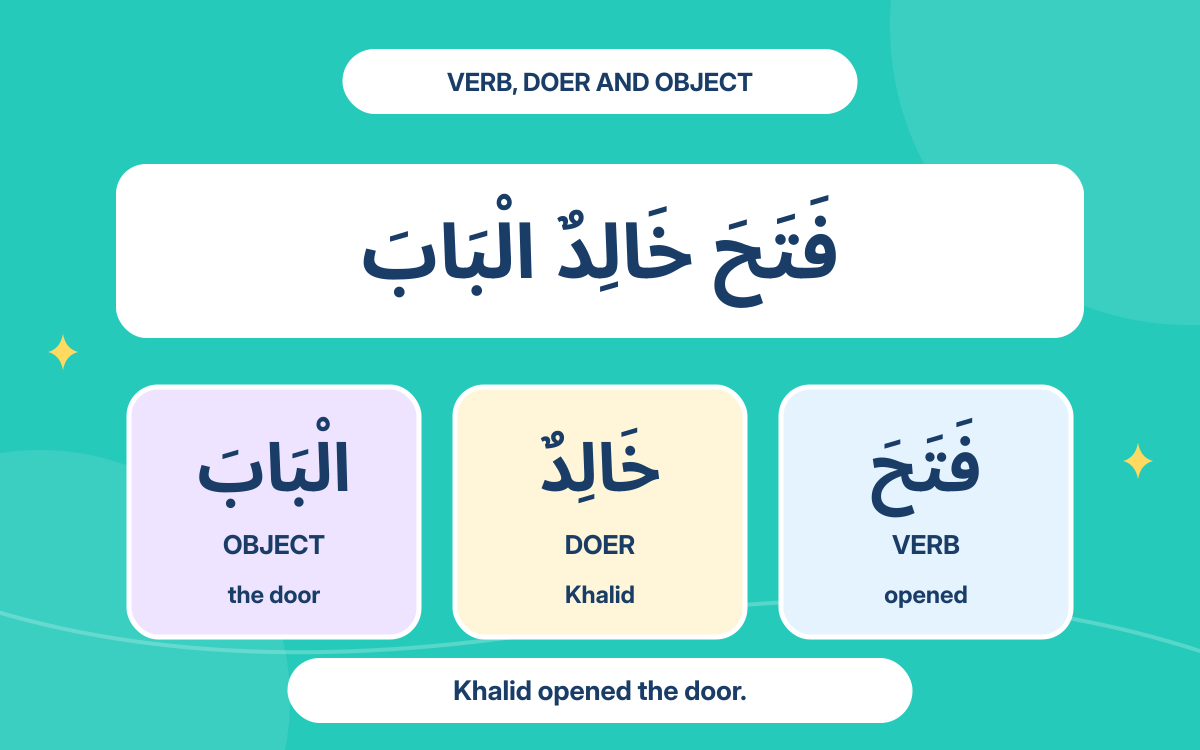
كَتَبَ رِسَالَةً
kataba risalatan
He wrote a letter.
Risalatan names what he wrote, so it is a direct object. Kitabatan names the writing action itself. Both can have the accusative ending an, but they serve different functions. An accusative noun after a verb is not automatically an absolute object.
03Describe the kind of action
Add a description to the verbal noun to show what the writing was like. This is the absolute object showing kind or manner.
كَتَبَ كِتَابَةً جَمِيلَةً
kataba kitabatan jamilatan
He wrote beautifully.
Kitabatan remains the absolute object; jamilatan, beautiful, is its adjective. The adjective matches this feminine singular noun and its accusative case. The whole phrase describes the quality of the writing. Look for the verbal noun naming the action, rather than labelling every expression translated with an English adverb an absolute object.
04Count occurrences of the action
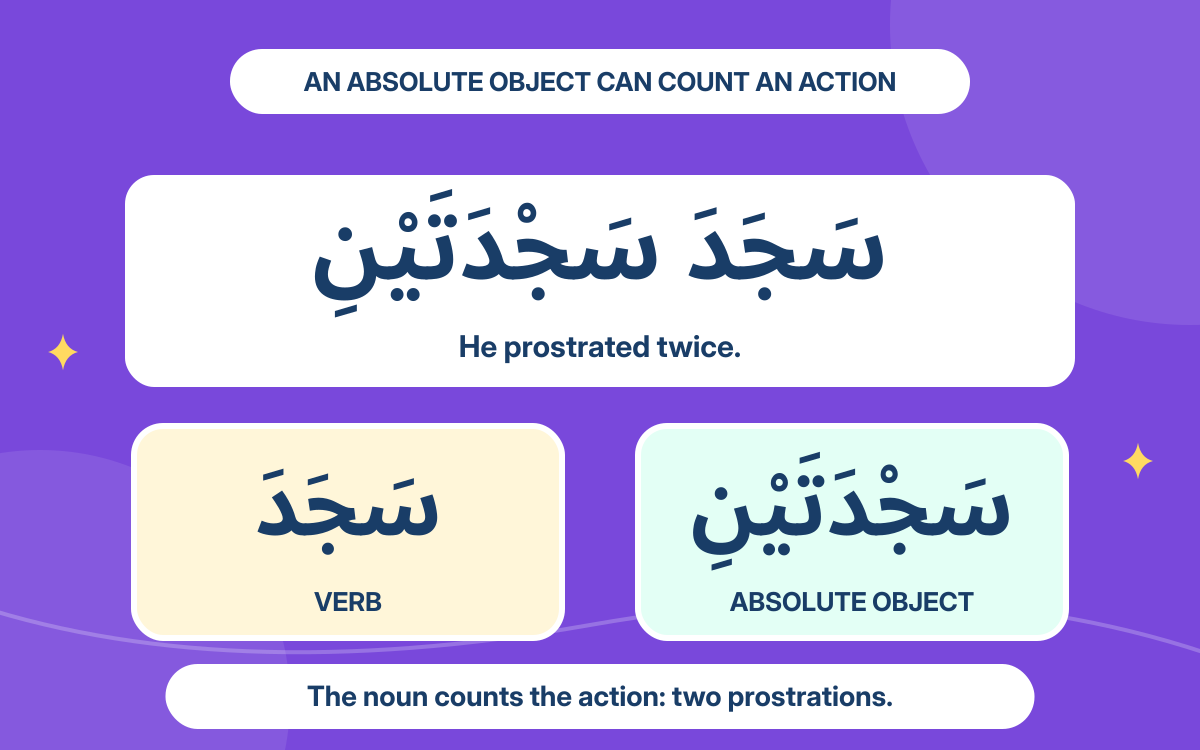
A form naming individual occurrences can show how many times an action happened. Here sajdah names one prostration, and its dual counts two.
سَجَدَ سَجْدَتَيْنِ
sajada sajdatayni
He prostrated twice.
Sajdatayni is an absolute object showing number. It is accusative, with ya as the dual case marker; its ending is ayni rather than singular an. It counts prostrations, not people. The verb sajada still means he prostrated, with one male doer.
05Put the object and the action phrase together
A direct object and an absolute object can appear in the same sentence. Ask two separate questions: what was written, and what was the writing like?
كَتَبَ رِسَالَةً كِتَابَةً جَمِيلَةً
kataba risalatan kitabatan jamilatan
He wrote a letter beautifully.
The letter is the direct object. Kitabatan names the action, while jamilatan describes its manner. In this model, put the verb first, then the letter, then the verbal noun and its adjective. Check meaning as well as the endings to recognise each role.
What to remember
- The absolute object is an accusative verbal noun naming an action related to its verb.
- It can emphasise the action, describe its kind or manner, or count its occurrences.
- A direct object names what receives the action; the absolute object names the action itself.
Your reference shelf
Open a guide whenever you need it.
Compare the three functionsCheck the action noun, its meaning and its case
| Function | Arabic model | Absolute object | Meaning |
|---|---|---|---|
| Emphasis | كَتَبَ كِتَابَةً | كِتَابَةً | He wrote, with the action emphasised. |
| Kind or manner | كَتَبَ كِتَابَةً جَمِيلَةً | كِتَابَةً | He wrote beautifully. |
| Number | سَجَدَ سَجْدَتَيْنِ | سَجْدَتَيْنِ | He prostrated twice. |
These models use action nouns sharing their verbs’ roots. More advanced constructions can use a synonymous action noun or a substitute for the verbal noun. Start with the explicit models here; a shared root is a useful recognition clue, not a complete test for every possible sentence.
Accusative does not always mean a visible final fathah. Sajdatayni uses the dual accusative ending. Conversely, the ending an alone does not identify a noun’s role: risalatan is a direct object in the letter example, while kitabatan is an absolute object.
The English translations express the intended meaning rather than repeating phrases such as he wrote a writing. A plain verbal noun gives emphasis; a described verbal noun can specify kind or manner; an occurrence form can count the action.
Sources & further learning
References for the language explanations and learning guidance.