Allahu akbar is اللَّهُ أَكْبَرُ, commonly translated “Allah is the greatest.” The word akbar has the comparative sense “greater”; the familiar expression declares God’s supreme greatness without naming a comparison. Saying this expression is called takbir.
01What does Allahu akbar mean?
“Allah is the greatest” expresses the religious meaning in familiar English. “Allah is greater” reflects the comparative shape of akbar more directly. These renderings emphasise different aspects of the same short expression. Neither requires you to add an object such as “than this person” to the Arabic.
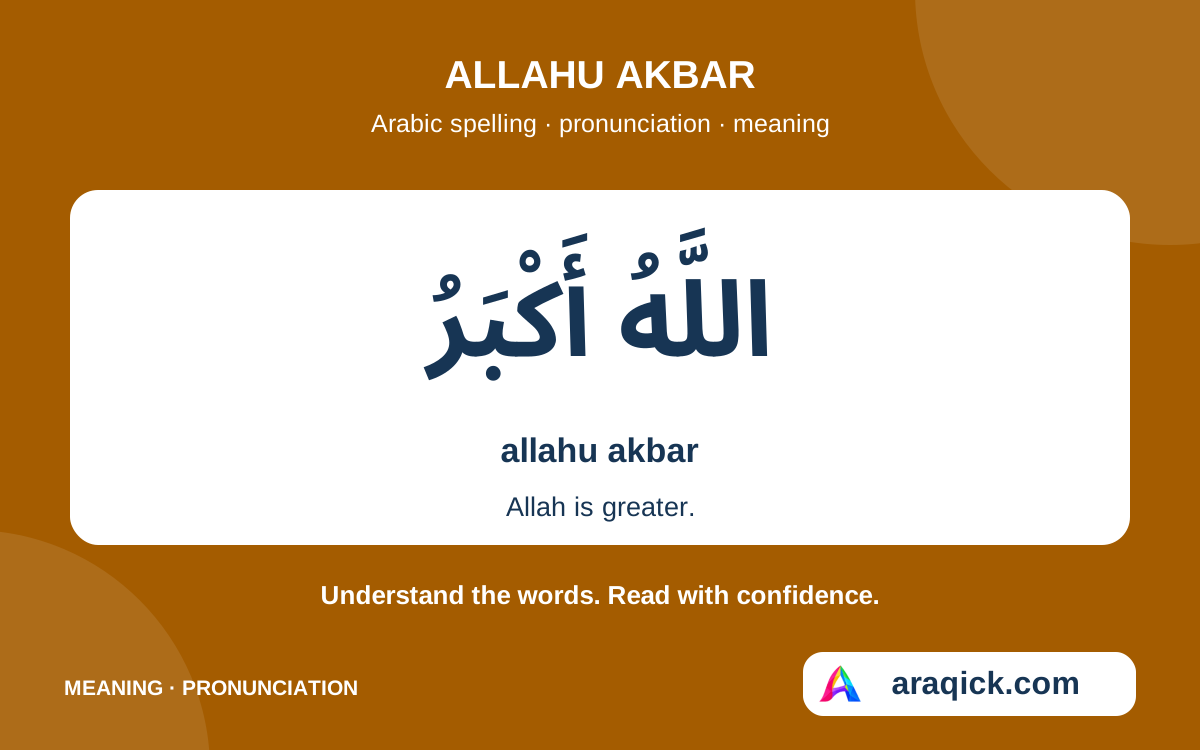
اللَّهُ أَكْبَرُ
allahu akbar
Allah is the greatest.
The statement declares God’s greatness. It is not a question, a greeting or a request for something to happen. Start with that core meaning before studying its different settings.
02Two words, with no separate word for is
اللَّهُ (allahu) is the subject. أَكْبَرُ (akbaru) supplies the statement about that subject. Arabic does not need a separate present-tense word corresponding to English “is” here. The short u on Allah is audible when the two words are connected.
In a careful grammatical reading both words have an ending. At a normal pause after akbar, its final short u is dropped. This explains why the familiar reading is allahu akbar rather than allahu akbaru. Written vowel marks and paused pronunciation can therefore look slightly different without a change in meaning.
03How to pronounce Allahu akbar
A practical guide is al-laa-hu ak-bar. Keep the long aa and doubled l in Allah. The h belongs to the end of Allahu; it is not the deep throat h in subhanallah. Akbar starts with a clear a sound carried by hamza, followed by k.
اللَّهُ أَكْبَرُ
allahu akbar
Keep the beginning of akbar clear when joining the words.
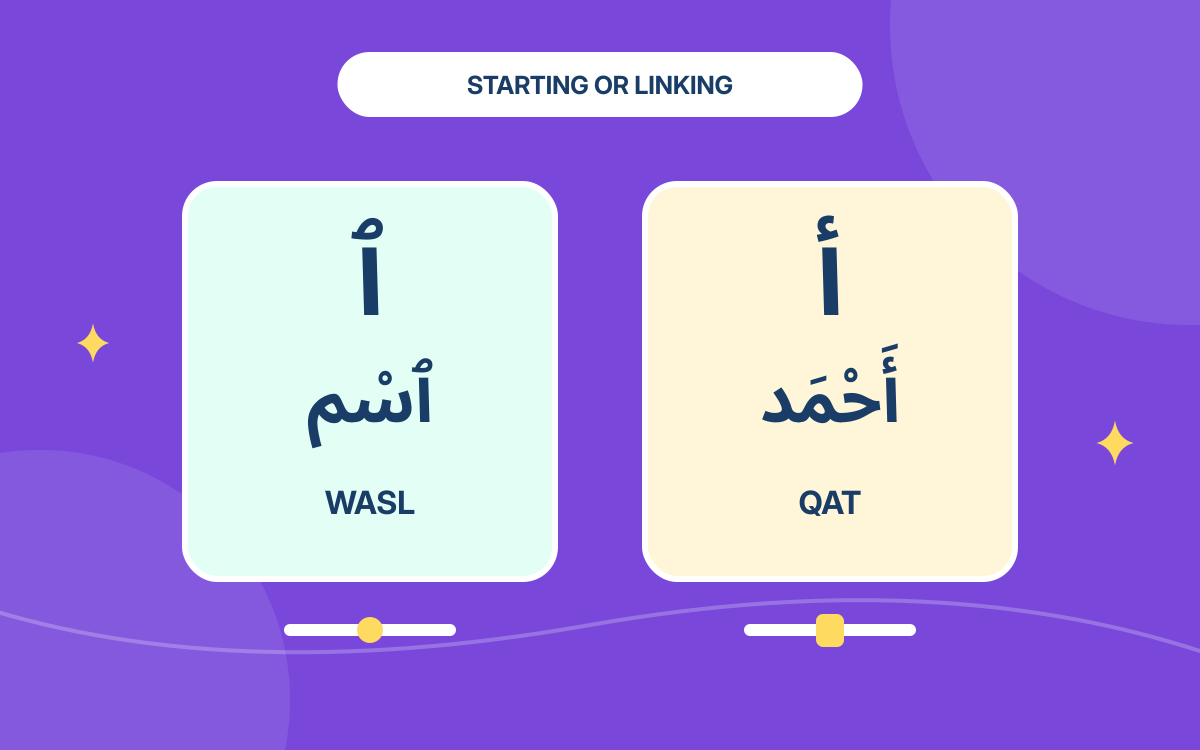
Avoid changing akbar into akbaar with an added long vowel. Plain letters help memory but do not capture every detail. Our hamzat wasl and qat guide explains why some Arabic word beginnings remain audible in connected speech.
04Akbar, kabir and comparison
كَبِيرٌ (kabir) means big or great; أَكْبَرُ (akbar) is the related comparative form. Context determines whether an English translation uses bigger, greater or greatest. In Allahu akbar, greatness is understood in a religious sense, not as a measurement of physical size.
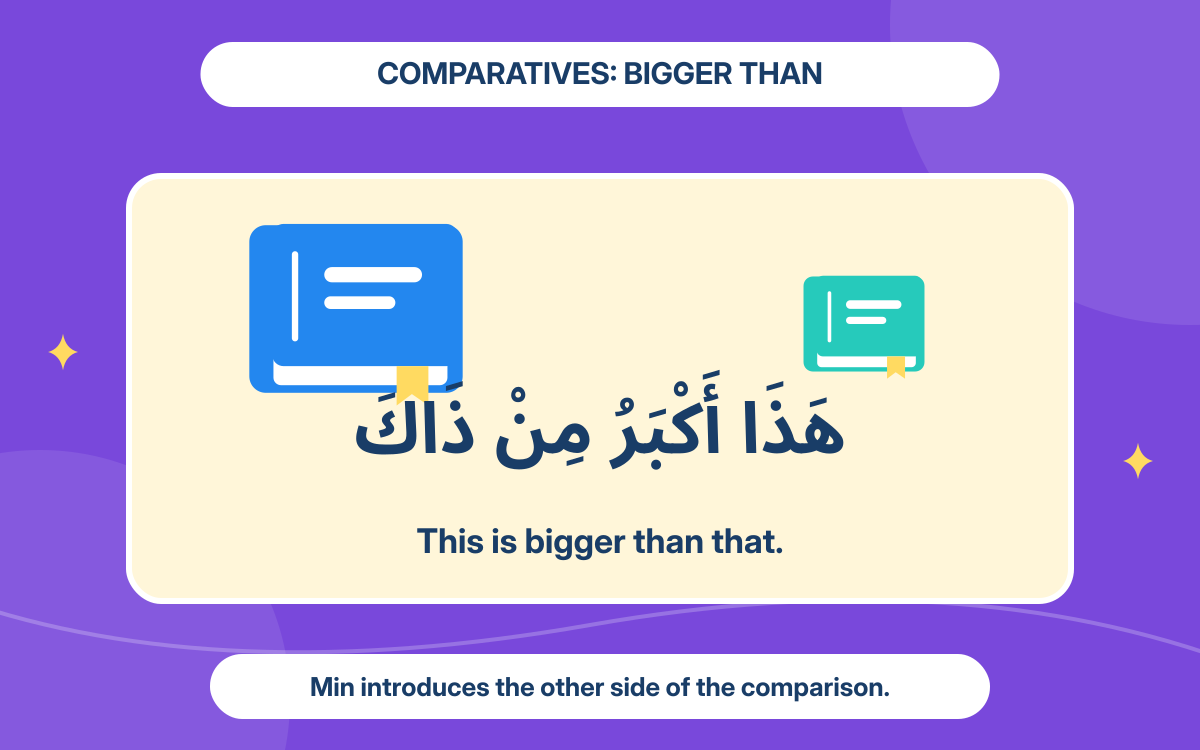
In ordinary comparisons a speaker can name the second item with min, meaning “than.” Allahu akbar contains no such phrase. Do not insert min when copying this expression. For nonreligious examples of the same grammar pattern, see Arabic comparatives with min.
05Where does takbir fit?
تَكْبِيرٌ (takbir) names declaring God’s greatness by saying Allahu akbar. It is the name of the utterance or act, rather than a third word inside the expression. The Quranic Arabic Corpus connects it with the same root family as akbar.
You hear Allahu akbar in the adhan and in prayer. Sahih Muslim 379 records it in the wording of the call to prayer. It also occurs among expressions of remembrance in Sahih Muslim 2137a. Recognising one expression does not mean that the full texts or procedures of these settings are identical.
06Understand the setting as well as the words
People may also use the expression when reacting with joy, determination or awe. A scene and a tone tell you why a person says it; they do not replace its underlying meaning. Avoid inferring an entire message or an intention from these two words alone.
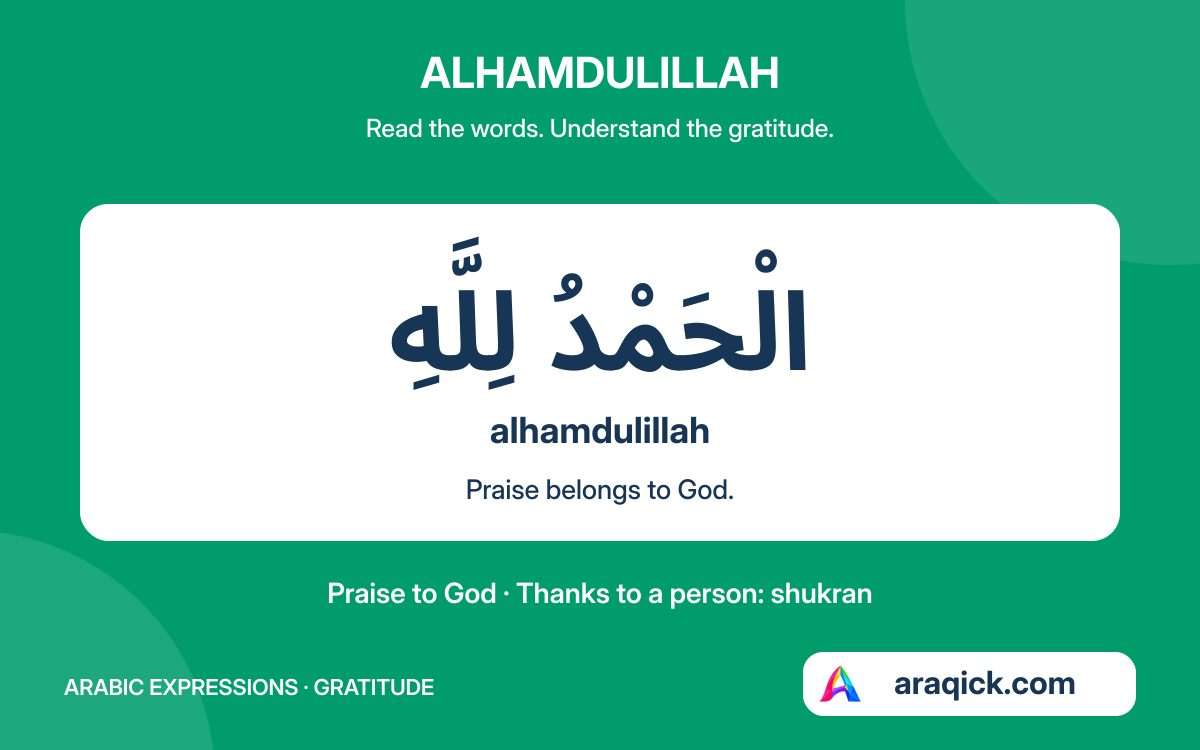
An English translation should fit the sentence and audience while preserving the declaration of greatness. Do not replace it automatically with “good news” or “thank you.” If you want to distinguish praise and gratitude from declaring greatness, continue with alhamdulillah and its uses.
What to remember
- Allahu akbar is commonly translated Allah is the greatest; akbar has the comparative sense greater.
- The expression has two Arabic words and no separate present-tense word for is.
- Takbir names declaring God’s greatness by saying Allahu akbar.
Your reference shelf
Open a guide whenever you need it.
The two-word statementSee the full endings alongside the familiar paused reading.
| Arabic | Reading | Meaning or function |
|---|---|---|
| اللَّهُ | allahu | Allah; subject in this statement |
| أَكْبَرُ | akbar | Greater; greatest in the familiar expression |
| اللَّهُ أَكْبَرُ | allahu akbar | Allah is the greatest |
Greatness: related wordsUse each pattern for its own purpose.
| Arabic | Reading | Meaning or function |
|---|---|---|
| كَبِيرٌ | kabir | Big or great |
| أَكْبَرُ | akbar | Bigger or greater; greatest according to context |
| تَكْبِيرٌ | takbir | Declaring God’s greatness by saying Allahu akbar |
Sources & further learning
References for the language explanations and learning guidance.