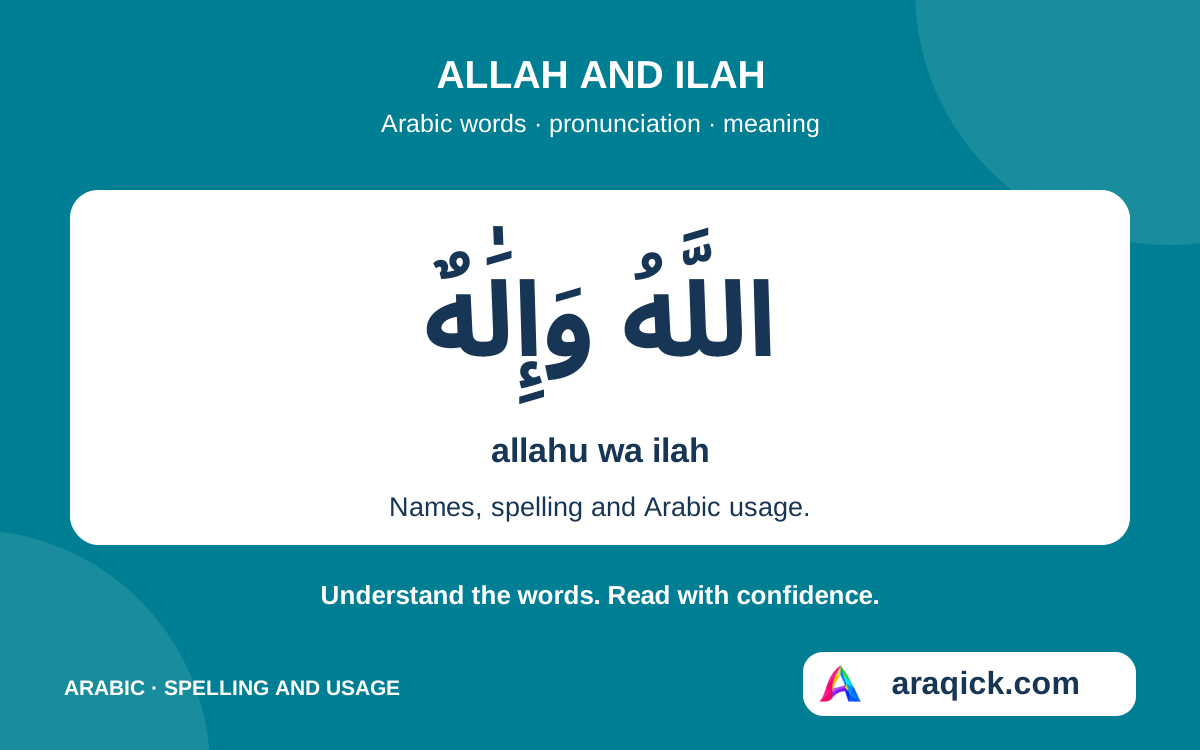
اللَّهُ (Allah) is the Arabic name for God. إِلَٰهٌ (ilah) is a common noun meaning a god or deity. In Islamic usage, Allah designates the one God, while ilah can refer to God or to something treated as a deity. The sentence determines the reference.
01What is the difference between Allah and ilah?
Think about the difference between identifying someone by name and describing a category. Allah designates God; ilah supplies the noun deity or god. This grammatical distinction explains why the words can appear together without naming two different beings. A statement can use a common noun to describe the one identified by a name.
English capitalisation can help translators signal a meaning, but Arabic has no capital and lowercase alphabet. A printed capital in God is therefore an English editorial choice, not a visible feature that you can locate in the Arabic letters themselves.
02How is Allah written?
The ordinary spelling الله contains alif, lam, lam and ha. In a vocalised form such as اللَّهُ, the shadda marks the doubled lam sound. A small upright alif may also show the long aa: اللّٰهُ. Ordinary unvocalised text often leaves these reading marks out.
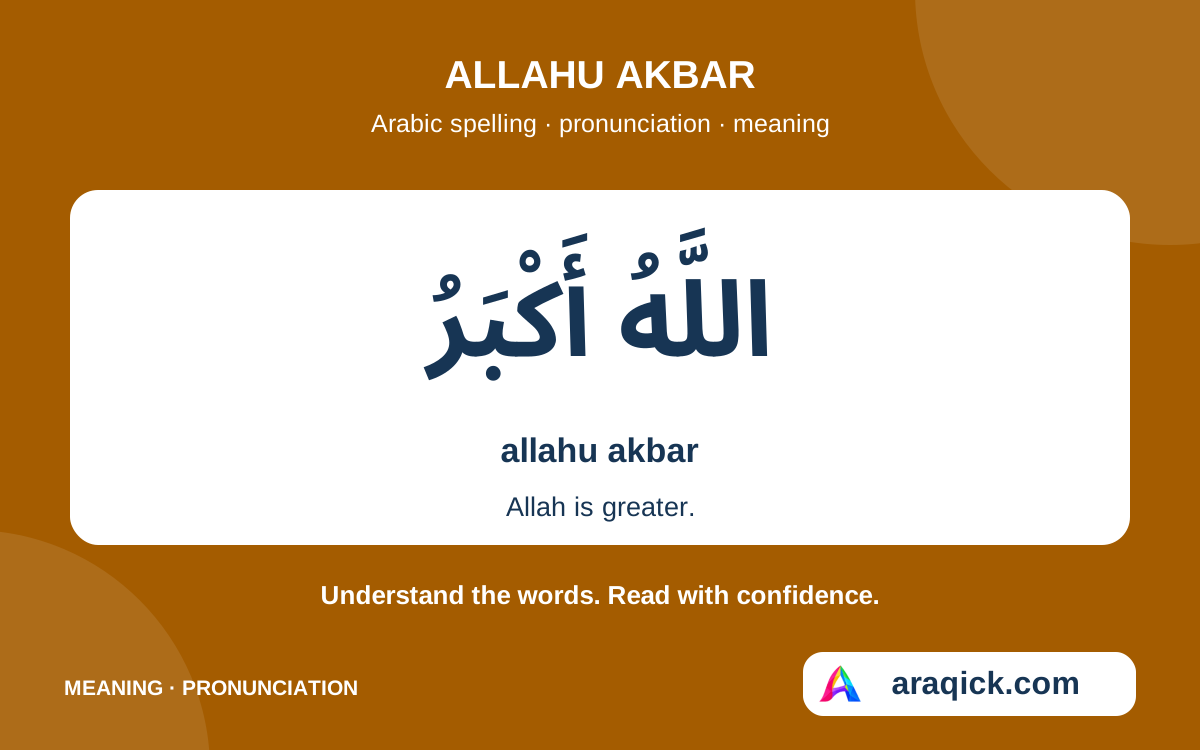
The final u in Allahu is a grammatical ending, not an extra letter in the name. You also meet Allaha and Allahi in sentences. At a pause, Allah is the familiar reading. Our Allahu Akbar guide shows a common expression containing the u ending.
03How is ilah written and used?
Ilah begins with hamza below alif: إِ. The noun is commonly written إله without vowel marks. A fully marked display can show إِلَٰهٌ, including a small alif indicating the long aa after lam. A plain reading aid is i-laah: short i, long aa.
The plural is آلِهَةٌ (aalihah), meaning gods or deities. A text can discuss claimed objects of worship without affirming that those claims are true. Check who is speaking and what is being asserted. A dictionary gloss alone cannot supply that theological context.
04What do Quranic examples show?
Quran 2:163 uses إِلَٰهٌ وَاحِدٌ (ilaahun waahid), a phrase describing one God. Here the common noun refers to the true God in a statement affirming oneness. It does not mean that ilah must always refer to a false deity.
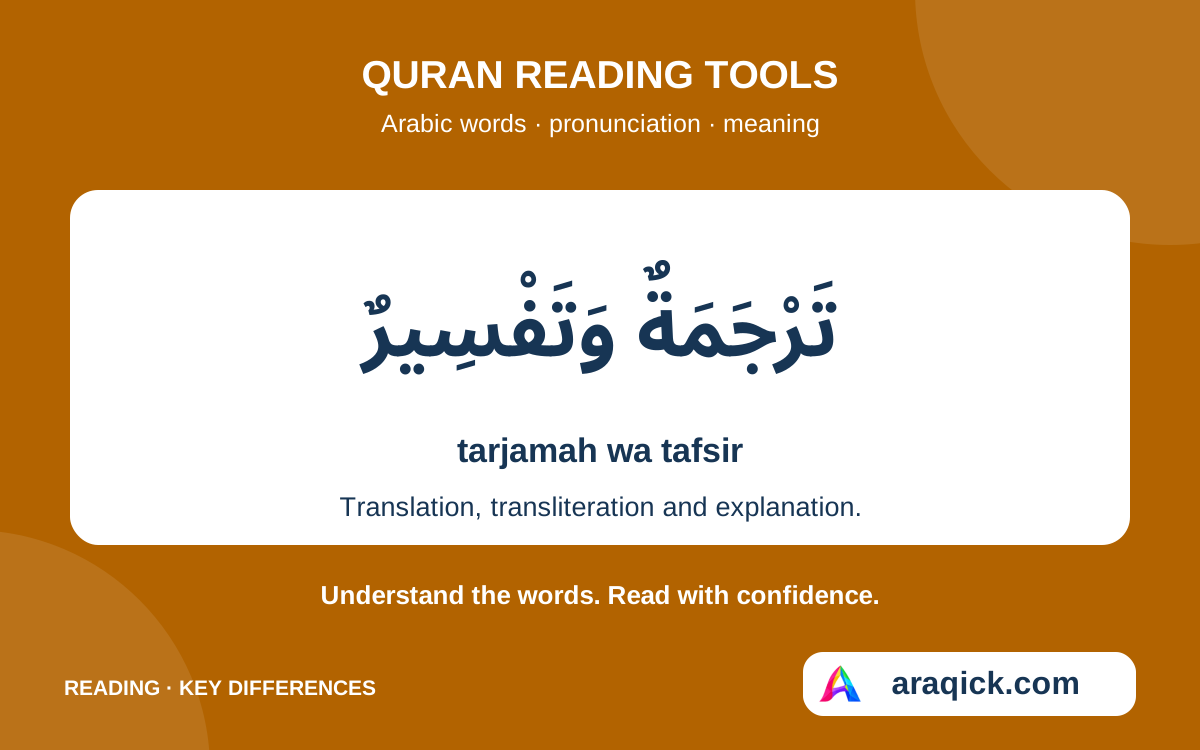
Quran 112:1 uses the name Allah and describes Him as one. Comparing the passages shows the difference between the name and the descriptive noun. Our translation, transliteration and tafsir guide explains why a spelling aid, an English rendering and an explanation offer different kinds of help when studying a verse.
05How do you pronounce the words?
Practise al-laah and i-laah separately. Allah has a doubled l sound; hold it slightly rather than inserting another vowel between the l sounds. Ilah has one lam. Both contain long aa and finish with ha, ه, rather than kha, خ. Neither word should acquire a final k sound.
In connected speech the opening of Allah changes after a preceding word or prefix: بِاللَّهِ is read billaahi. The lam is light after the preceding kasrah in this example. Listening alongside the text helps more than treating the English spelling as a complete pronunciation system.
06How can you recognise the distinction in a phrase?
The familiar testimony contains لَا إِلَٰهَ إِلَّا اللَّهُ. Its structure first denies any deity, then identifies Allah as the exception. In Islamic explanation, this affirms that only Allah is worthy of worship. The words perform different jobs inside the same statement.
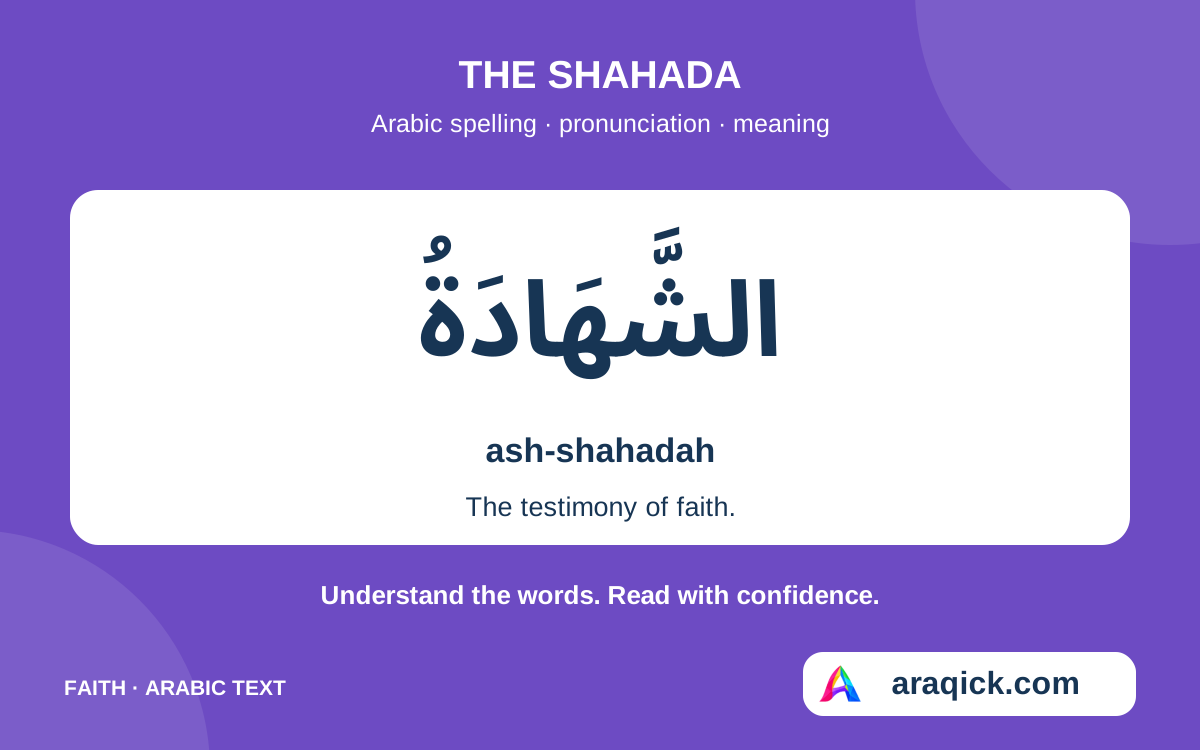
Read our Shahada explanation for the full testimony and connected pronunciation. To practise recognition, circle the initial hamza in ilah and the doubled lam in Allah. Then read the whole sentence to determine what it affirms. This joins accurate letter recognition to meaning rather than relying on English capitalisation alone.
What to remember
- Allah designates God; ilah is a common noun for a deity or god.
- Ilah has a short initial i and long aa; Allah has a doubled lam.
- A common noun can refer to the true God, so read the whole sentence.
Your reference shelf
Open a guide whenever you need it.
Allah and ilah side by sideCompare Arabic spelling, sound and grammatical use.
| Form | Pause-form reading | What to notice |
|---|---|---|
| اللَّهُ | allaah | Divine name; doubled lam; final u is a grammatical ending |
| إِلَٰهٌ | ilaah | Common noun: deity or god; short i, long aa |
| آلِهَةٌ | aalihah | Plural: gods or deities; reference depends on the sentence |
| بِاللَّهِ | billaah | With/by/in Allah, depending on construction; light lam after kasrah |
Letters and useful examplesFind the different features before reading each phrase in context.
| Arabic | Reading | Language note |
|---|---|---|
| إِلَٰهٌ وَاحِدٌ | ilaahun waahid | One God/deity; the Quran 2:163 context affirms God's oneness |
| اللَّهُ أَحَدٌ | allaahu ahad | Allah is one; words found in Quran 112:1 |
| اللَّهُ أَكْبَرُ | allaahu akbar | Allah is greatest; u is heard when the name connects |
| لَا إِلَٰهَ إِلَّا اللَّهُ | laa ilaaha illallaah | The connected reading joins illa and Allah; see the Shahada guide |
Sources & further learning
References for the language explanations and learning guidance.