Nour tries a new morning routine for one week. Waking earlier is only the first step: she still needs to discover what takes up her time.
01Read the Arabic story
تَغْيِيرُ نِظَامِي الصَّبَاحِيِّ
اِسْمِي نُورٌ، وَأَعْمَلُ فِي مَكْتَبٍ يَفْتَحُ فِي السَّاعَةِ التَّاسِعَةِ. كُنْتُ أَسْتَيْقِظُ فِي السَّاعَةِ الثَّامِنَةِ وَأَخْرُجُ بِسُرْعَةٍ. أَحْيَانًا كُنْتُ أَبْحَثُ عَنْ مَفَاتِيحِي أَوْ أُغَيِّرُ مَلَابِسِي مَرَّتَيْنِ، فَأَصِلُ مُتَأَخِّرَةً. قَرَّرْتُ أَنْ أُجَرِّبَ نِظَامًا جَدِيدًا لِمُدَّةِ أُسْبُوعٍ.
فِي مَسَاءِ الْأَحَدِ، جَهَّزْتُ حَقِيبَتِي وَاخْتَرْتُ مَلَابِسِي لِلْيَوْمِ التَّالِي. وَضَعْتُ الْمَفَاتِيحَ بِجَانِبِ الْبَابِ وَضَبَطْتُ الْمُنَبِّهَ عَلَى السَّابِعَةِ وَالنِّصْفِ. فِي صَبَاحِ يَوْمِ الِاثْنَيْنِ، اِسْتَيْقَظْتُ فِي الْمَوْعِدِ الْجَدِيدِ، وَلَكِنَّنِي قَضَيْتُ عِشْرِينَ دَقِيقَةً فِي قِرَاءَةِ الرَّسَائِلِ عَلَى هَاتِفِي.
وَصَلْتُ إِلَى الْمَكْتَبِ فِي التَّاسِعَةِ تَمَامًا. سَأَلَتْنِي زَمِيلَتِي: «هَلْ سَاعَدَكِ الِاسْتِيقَاظُ مُبَكِّرًا؟» قُلْتُ: «قَلِيلًا، وَلَكِنَّ الْهَاتِفَ أَخَذَ وَقْتِي». فِي صَبَاحِ الثُّلَاثَاءِ، تَرَكْتُ الْهَاتِفَ فِي حَقِيبَتِي. تَنَاوَلْتُ فُطُورِي بِهُدُوءٍ، ثُمَّ خَرَجْتُ وَوَصَلْتُ قَبْلَ الْعَمَلِ بِعَشْرِ دَقَائِقَ.
كَرَّرْتُ هَذِهِ الْخُطُوَاتِ حَتَّى نِهَايَةِ الْأُسْبُوعِ، وَلَمْ أَتَأَخَّرْ بَعْدَ ذَلِكَ. كَتَبْتُ فِي دَفْتَرِي: «تَجْهِيزُ الْأَشْيَاءِ لَيْلًا وَتَرْكُ الْهَاتِفِ صَبَاحًا يُسَاعِدَانِنِي». الْآنَ لَا أَبْحَثُ عَنِ الْمَفَاتِيحِ قَبْلَ الْخُرُوجِ، وَأَبْدَأُ يَوْمِي بِهُدُوءٍ. سَأَسْتَمِرُّ عَلَى هَذَا النِّظَامِ الْأُسْبُوعَ الْقَادِمَ.
Show English translationHide English translation
My name is Nour, and I work in an office that opens at nine o’clock. I used to wake up at eight and leave in a hurry. Sometimes I would look for my keys or change my clothes twice, so I would arrive late. I decided to try a new routine for one week.
On Sunday evening, I packed my bag and chose my clothes for the next day. I put the keys beside the door and set the alarm for half past seven. On Monday morning, I woke up at the new time, but I spent twenty minutes reading messages on my phone.
I arrived at the office at exactly nine. My colleague asked me, “Did waking up early help you?” I said, “A little, but the phone took up my time.” On Tuesday morning, I left the phone in my bag. I ate breakfast calmly, then left and arrived ten minutes before work started.
I repeated these steps until the end of the week and was not late again. I wrote in my notebook, “Preparing things at night and leaving the phone alone in the morning help me.” Now I do not look for my keys before leaving, and I start my day calmly. I will continue this routine next week.
02Useful words from the story
| Arabic in the story | Meaning here |
|---|---|
| أَسْتَيْقِظُ | I wake up |
| مُتَأَخِّرَةً | late |
| جَهَّزْتُ | I prepared; I packed |
| الْمُنَبِّهَ | the alarm clock |
| قَضَيْتُ | I spent |
| زَمِيلَتِي | my female colleague |
| بِهُدُوءٍ | calmly |
| سَأَسْتَمِرُّ | I will continue |
03Check your understanding
Choose one answer for each question. Look back at the Arabic story when you need a clue. Open the English support if you need help understanding a question.
What to remember
- Compare the old waking time, the new alarm time and the office opening time.
- Follow the second change: preparing at night helps, and leaving the phone in the bag saves morning time.
Explore the Arabic in this story
Related grammar and vocabularyOpen Araqick guides connected to this story.
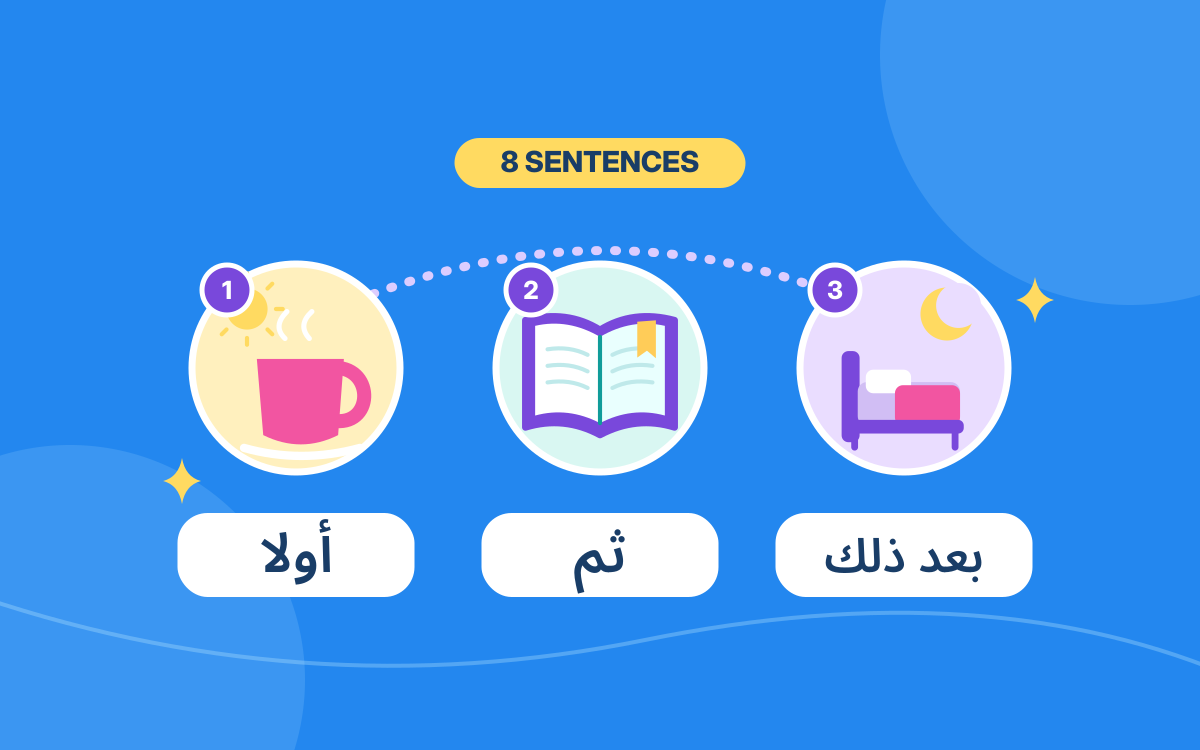
My Daily Routine in Arabic: 8 Simple Sentences
تَنَاوَلْتُ فُطُورِي بِهُدُوءٍ
Review the everyday actions Nour combines into her new routine.
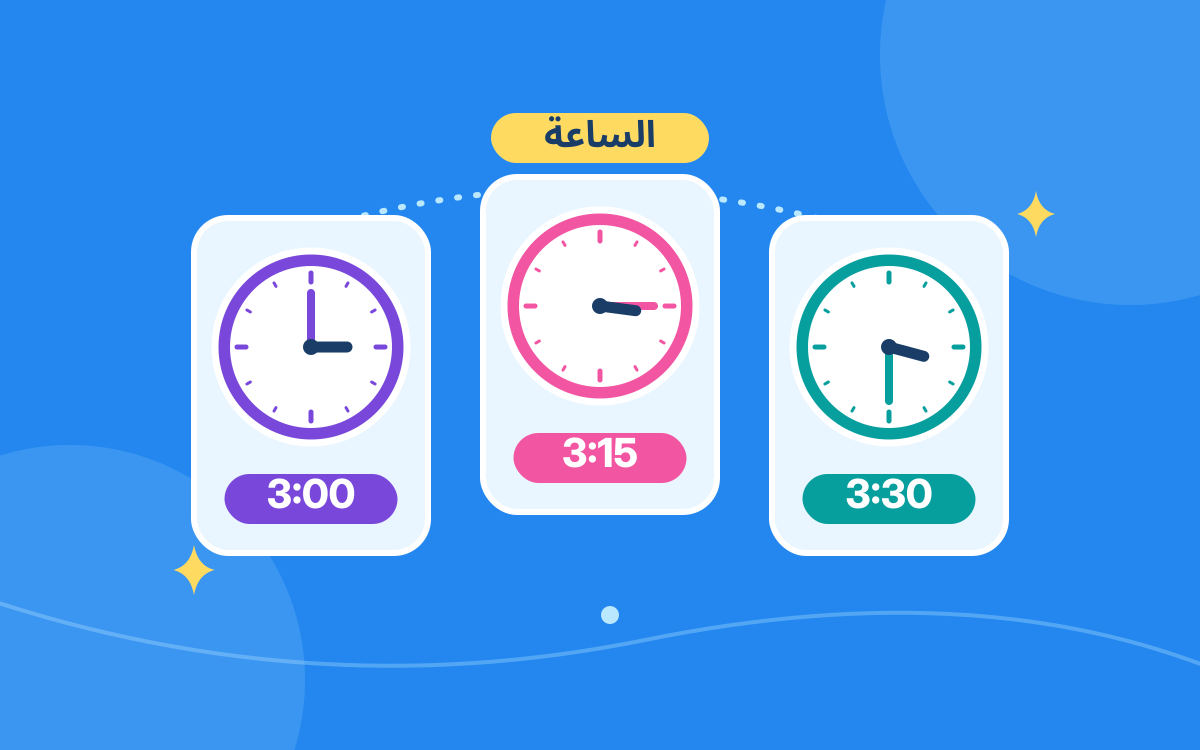
Telling the Time in Arabic: Hours, Half Past and Quarter Past
السَّابِعَةِ وَالنِّصْفِ
Practise the full-hour and half-past expressions used in Nour’s schedule.
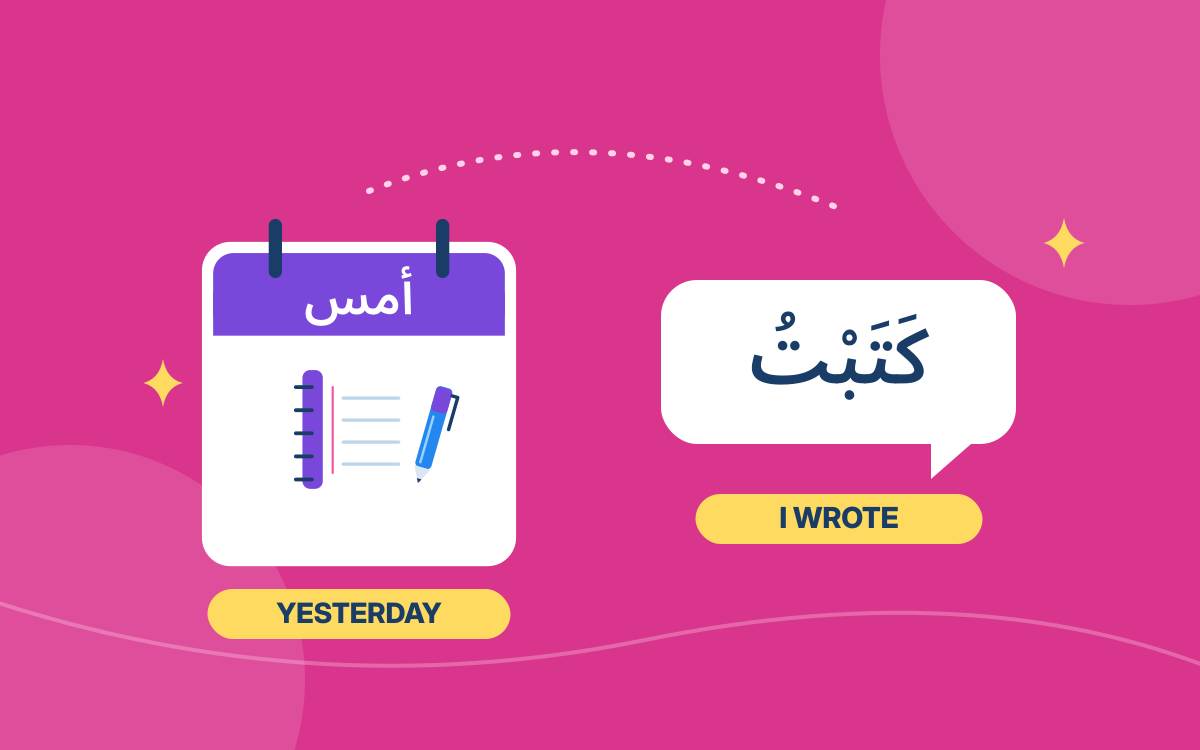
What I Did Yesterday in Arabic: 6 Simple Past-Tense Sentences
كَتَبْتُ فِي دَفْتَرِي
Explore first-person past forms when describing what you did.