Lina tells Huda about her first Arabic class. Practise describing the group, reporting completed classroom activities, and explaining the homework.
01Read the Arabic conversation
وَصْفُ أَوَّلِ دَرْسٍ فِي اللُّغَةِ
هُدَى: كَيْفَ كَانَ أَوَّلُ دَرْسٍ لَكِ فِي اللُّغَةِ الْعَرَبِيَّةِ أَمْسِ؟
لِينَا: كَانَ مُمْتِعًا، لَكِنَّنِي شَعَرْتُ بِقَلَقٍ قَلِيلٍ فِي الْبِدَايَةِ.
هُدَى: كَمْ طَالِبًا كَانَ فِي الصَّفِّ؟
لِينَا: كَانَ فِيهِ ثَمَانِيَةُ طُلَّابٍ، وَجَلَسْنَا حَوْلَ طَاوِلَةٍ وَاحِدَةٍ.
هُدَى: مَاذَا فَعَلْتُمْ أَوَّلًا؟
لِينَا: قَالَ كُلُّ طَالِبٍ اِسْمَهُ، ثُمَّ تَحَدَّثْنَا عَنْ بُلْدَانِنَا.
هُدَى: هَلْ قَرَأْتُمْ نَصًّا أَيْضًا؟
لِينَا: نَعَمْ، قَرَأْنَا حِوَارًا قَصِيرًا، ثُمَّ تَدَرَّبْتُ مَعَ زَمِيلَةٍ.
هُدَى: وَهَلْ فَهِمْتِ جَمِيعَ الْكَلِمَاتِ؟
لِينَا: لَا، سَأَلْتُ عَنْ كَلِمَتَيْنِ، فَكَتَبَتِ الْمُعَلِّمَةُ مِثَالَيْنِ عَلَى السَّبُّورَةِ.
هُدَى: هَلْ سَاعَدَكِ الْمِثَالَانِ؟
لِينَا: نَعَمْ، فَهِمْتُ الْمَعْنَى وَشَعَرْتُ بِرَاحَةٍ أَكْبَرَ.
هُدَى: مَاذَا طَلَبَتِ الْمُعَلِّمَةُ لِلْوَاجِبِ؟
لِينَا: طَلَبَتْ أَنْ نَكْتُبَ خَمْسَ جُمَلٍ عَنْ أَنْفُسِنَا وَنَقْرَأَهَا فِي الدَّرْسِ الْقَادِمِ.
هُدَى: هَلْ تُرِيدِينَ أَنْ نُرَاجِعَ جُمَلَكِ مَعًا؟
لِينَا: نَعَمْ، شُكْرًا. سَأَكْتُبُهَا بَعْدَ الْعَشَاءِ، ثُمَّ أُرْسِلُهَا إِلَيْكِ.
Show English translationHide English translation
Huda: How was your first Arabic class yesterday?
Lina: It was enjoyable, but I felt a little nervous at the beginning.
Huda: How many students were in the class?
Lina: There were eight students, and we sat around one table.
Huda: What did you do first?
Lina: Each student said their name, then we talked about our countries.
Huda: Did you read a text too?
Lina: Yes, we read a short dialogue, then I practised with a classmate.
Huda: And did you understand all the words?
Lina: No. I asked about two words, so the teacher wrote two examples on the board.
Huda: Did the two examples help you?
Lina: Yes, I understood the meaning and felt more at ease.
Huda: What did the teacher set for homework?
Lina: She asked us to write five sentences about ourselves and read them in the next class.
Huda: Would you like us to review your sentences together?
Lina: Yes, thank you. I will write them after dinner, then send them to you.
02Useful words and expressions
| Arabic in the conversation | Meaning here |
|---|---|
| فِي الْبِدَايَةِ | at the beginning |
| ثَمَانِيَةُ طُلَّابٍ | eight students |
| حِوَارًا قَصِيرًا | a short dialogue |
| تَدَرَّبْتُ | I practised |
| كَلِمَتَيْنِ | two words |
| عَلَى السَّبُّورَةِ | on the board |
| بِرَاحَةٍ أَكْبَرَ | more at ease |
| لِلْوَاجِبِ | for homework |
03Check your understanding
Choose one answer for each question. Look back at the Arabic conversation for evidence. Open the English question support or a hint when you need help.
What to remember
- Describe a first experience through activities, people, and your reaction.
- Separate what happened in class from what you will do for homework.
Explore the Arabic in this conversation
Related grammar and vocabularyOpen Araqick guides connected to this conversation.
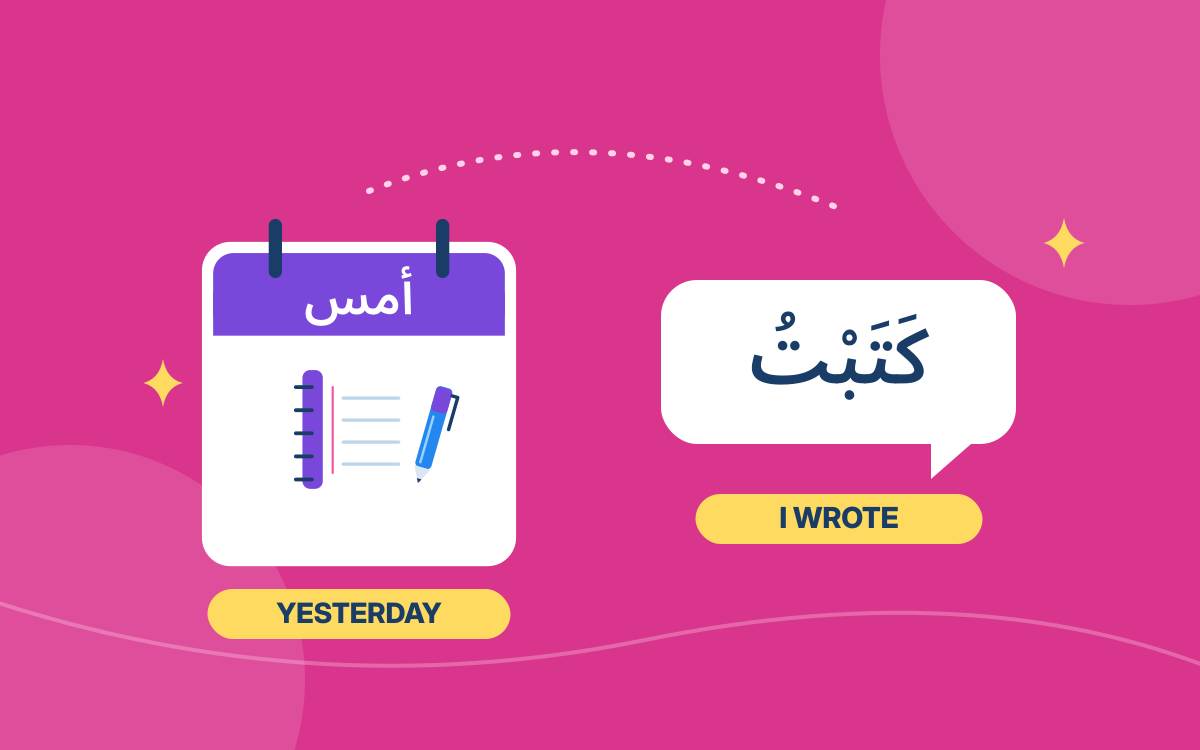
What I Did Yesterday in Arabic: 6 Simple Past-Tense Sentences
سَأَلْتُ عَنْ كَلِمَتَيْنِ
Recognise first-person completed actions when describing a lesson.
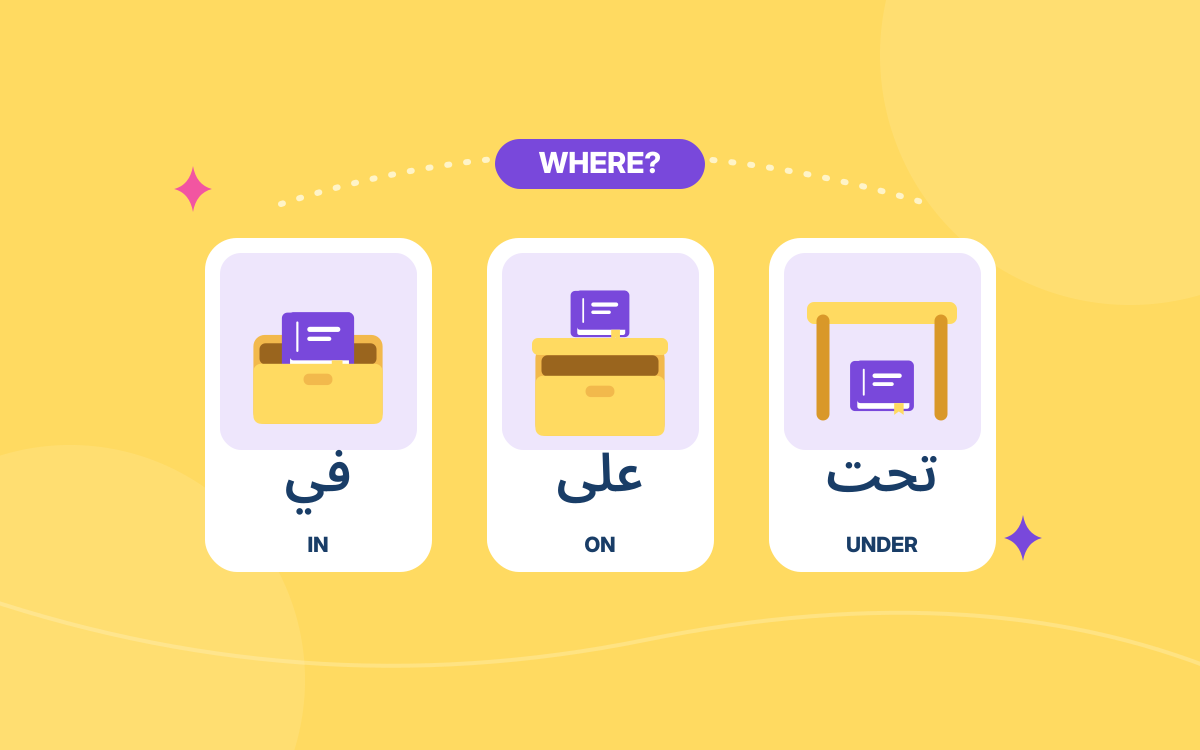
Arabic Prepositions: In, On, Under and Next To
عَلَى السَّبُّورَةِ
Use a place phrase to say where examples were written.
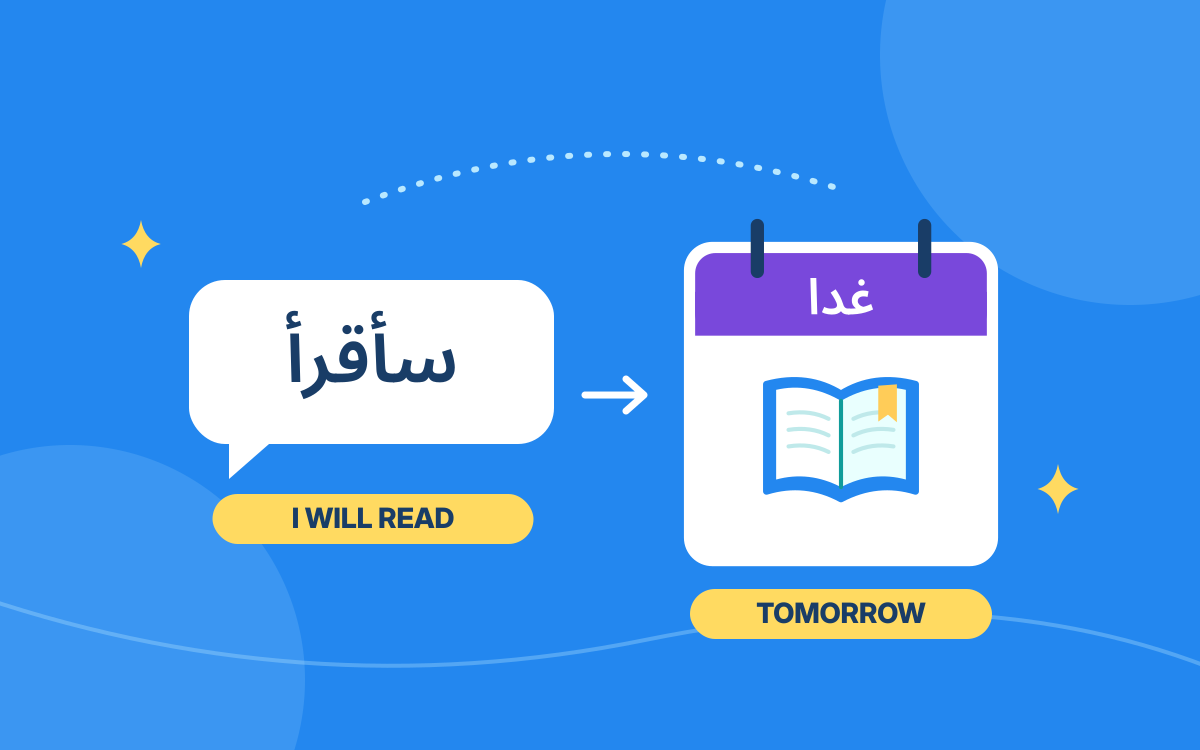
Arabic Future Tense for Beginners: Talk About Tomorrow
سَأَكْتُبُهَا بَعْدَ الْعَشَاءِ
Use the future prefix when planning homework.