Mariam asks her older brother Hassan about his school days. Compare starting times, journeys, classroom tools, and familiar routines that they still share.
01Read the Arabic conversation
مُقَارَنَةُ الْحَيَاةِ الْمَدْرَسِيَّةِ قَدِيمًا وَحَدِيثًا
مَرْيَمُ: يَا أَخِي، هَلْ تَتَذَكَّرُ أَيَّامَكَ فِي الْمَدْرَسَةِ؟
حَسَنٌ: نَعَمْ. تَرَكْتُ الْمَدْرَسَةَ قَبْلَ عَشْرِ سَنَوَاتٍ، لَكِنَّنِي أَتَذَكَّرُ أَصْدِقَائِي وَدُرُوسِي.
مَرْيَمُ: مَتَى كَانَ يَبْدَأُ يَوْمُكَ الدِّرَاسِيُّ؟
حَسَنٌ: كَانَ يَبْدَأُ فِي الثَّامِنَةِ صَبَاحًا. وَأَنْتِ؟
مَرْيَمُ: يَبْدَأُ يَوْمِي فِي الثَّامِنَةِ وَالنِّصْفِ. هَلْ كُنْتَ تَذْهَبُ بِالْحَافِلَةِ؟
حَسَنٌ: لَا، كُنْتُ أَمْشِي عِشْرِينَ دَقِيقَةً. وَكَيْفَ تَذْهَبِينَ أَنْتِ؟
مَرْيَمُ: أَرْكَبُ الْحَافِلَةَ، لِأَنَّ مَدْرَسَتِي أَبْعَدُ مِنْ مَدْرَسَتِكَ. كَيْفَ كُنْتَ تَكْتُبُ مُلَاحَظَاتِكَ؟
حَسَنٌ: كُنْتُ أَكْتُبُهَا فِي دَفْتَرٍ لِكُلِّ مَادَّةٍ. هَلْ تَسْتَخْدِمُونَ أَجْهِزَةً لَوْحِيَّةً الْآنَ؟
مَرْيَمُ: نَعَمْ، نَسْتَخْدِمُهَا فِي بَعْضِ الدُّرُوسِ، لَكِنَّنَا نَكْتُبُ فِي الدَّفَاتِرِ أَيْضًا.
حَسَنٌ: مَاذَا تَفْعَلُونَ فِي الِاسْتِرَاحَةِ؟
مَرْيَمُ: نَلْعَبُ بِالْكُرَةِ فِي السَّاحَةِ أَوْ نَتَحَدَّثُ مَعًا. هَلْ كُنْتُمْ تَفْعَلُونَ ذَلِكَ؟
حَسَنٌ: نَعَمْ، كُنَّا نَفْعَلُ الشَّيْءَ نَفْسَهُ. وَكُنَّا نَتَنَاوَلُ وَجْبَةً خَفِيفَةً أَيْضًا.
مَرْيَمُ: وَمَتَى كُنْتَ تَعْمَلُ وَاجِبَكَ الْمَنْزِلِيَّ؟
حَسَنٌ: كُنْتُ أَعْمَلُهُ بَعْدَ الْغَدَاءِ مُبَاشَرَةً. مَاذَا عَنْكِ؟
مَرْيَمُ: أَبْدَأُ بَعْدَ اسْتِرَاحَةٍ قَصِيرَةٍ. وَأَسْأَلُ زَمِيلَتِي عَنِ السُّؤَالِ الصَّعْبِ فِي رِسَالَةٍ.
حَسَنٌ: إِذَنْ تَغَيَّرَتْ بَعْضُ الْأَدَوَاتِ، لَكِنَّ بَعْضَ الْعَادَاتِ بَقِيَتْ كَمَا هِيَ.
Show English translationHide English translation
Mariam: Brother, do you remember your school days?
Hassan: Yes. I left school ten years ago, but I remember my friends and lessons.
Mariam: When did your school day begin?
Hassan: It began at eight in the morning. And yours?
Mariam: My day begins at half past eight. Did you use to go by bus?
Hassan: No. I used to walk for twenty minutes. And how do you go?
Mariam: I take the bus because my school is farther away than yours. How did you write your notes?
Hassan: I used to write them in a notebook for each subject. Do you use tablets now?
Mariam: Yes. We use them in some lessons, but we write in notebooks too.
Hassan: What do you do during the break?
Mariam: We play ball in the playground or talk together. Did you use to do that?
Hassan: Yes. We used to do the same thing. And we used to have a snack too.
Mariam: And when did you use to do your homework?
Hassan: I used to do it straight after lunch. What about you?
Mariam: I begin after a short rest. And I ask my classmate about a difficult question in a message.
Hassan: So some tools have changed, but some habits have stayed the same.
02Useful words and expressions
| Arabic in the conversation | Meaning here |
|---|---|
| قَبْلَ عَشْرِ سَنَوَاتٍ | ten years ago |
| يَوْمُكَ الدِّرَاسِيُّ | your school day |
| أَبْعَدُ مِنْ | farther away than |
| مُلَاحَظَاتِكَ | your notes |
| أَجْهِزَةً لَوْحِيَّةً | tablets |
| الشَّيْءَ نَفْسَهُ | the same thing |
| مُبَاشَرَةً | straight away; immediately |
| بَقِيَتْ كَمَا هِيَ | stayed the same |
03Check your understanding
Choose one answer for each question. Look back at the Arabic conversation for evidence. Open the English question support or a hint when you need help.
What to remember
- Contrast an earlier school routine with a current one using specific details.
- Identify both changes and similarities instead of assuming everything changed.
Explore the Arabic in this conversation
Related grammar and vocabularyOpen Araqick guides connected to this conversation.
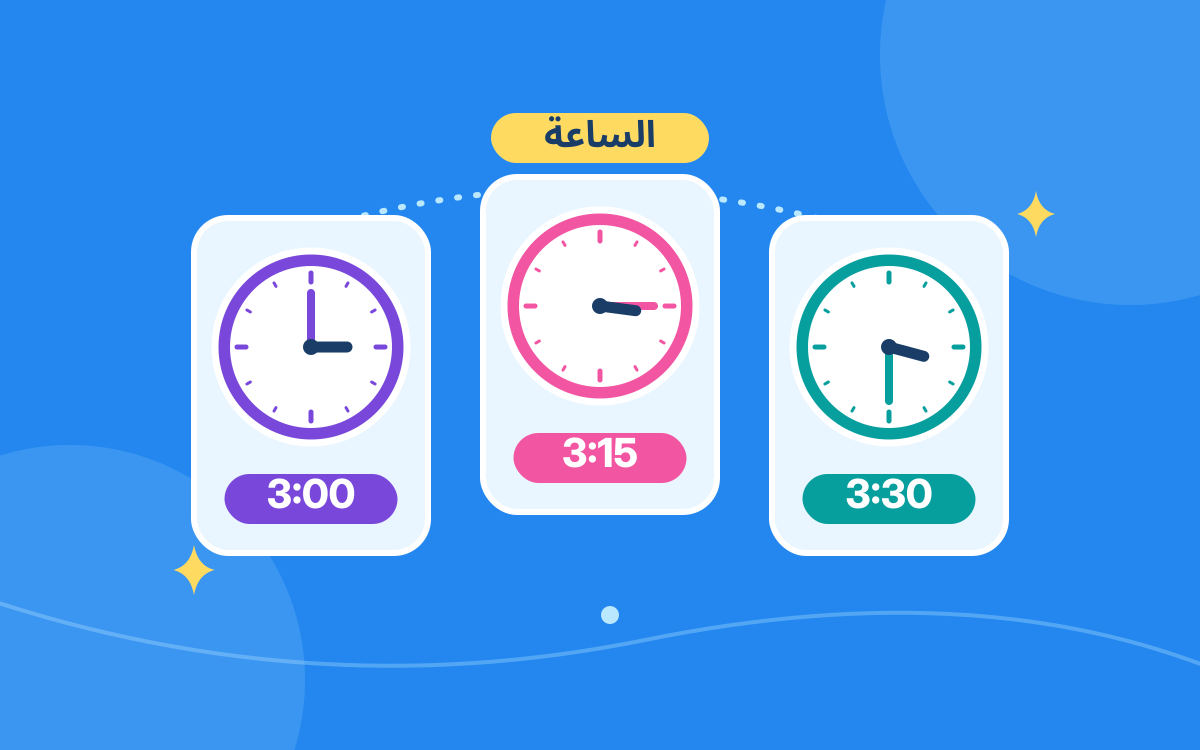
Telling the Time in Arabic: Hours, Half Past and Quarter Past
فِي الثَّامِنَةِ وَالنِّصْفِ
Compare a full-hour start with a half-past start.
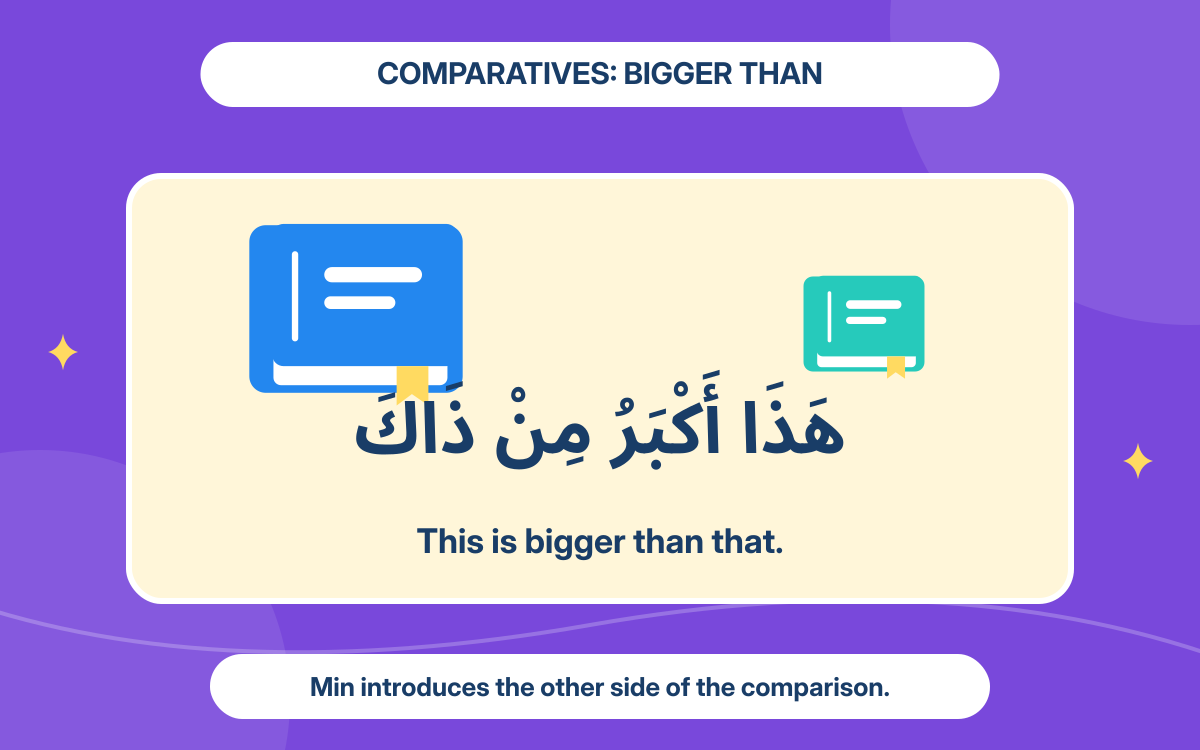
Arabic Comparatives: Bigger Than and Better Than
أَبْعَدُ مِنْ مَدْرَسَتِكَ
Compare the distance to two schools.
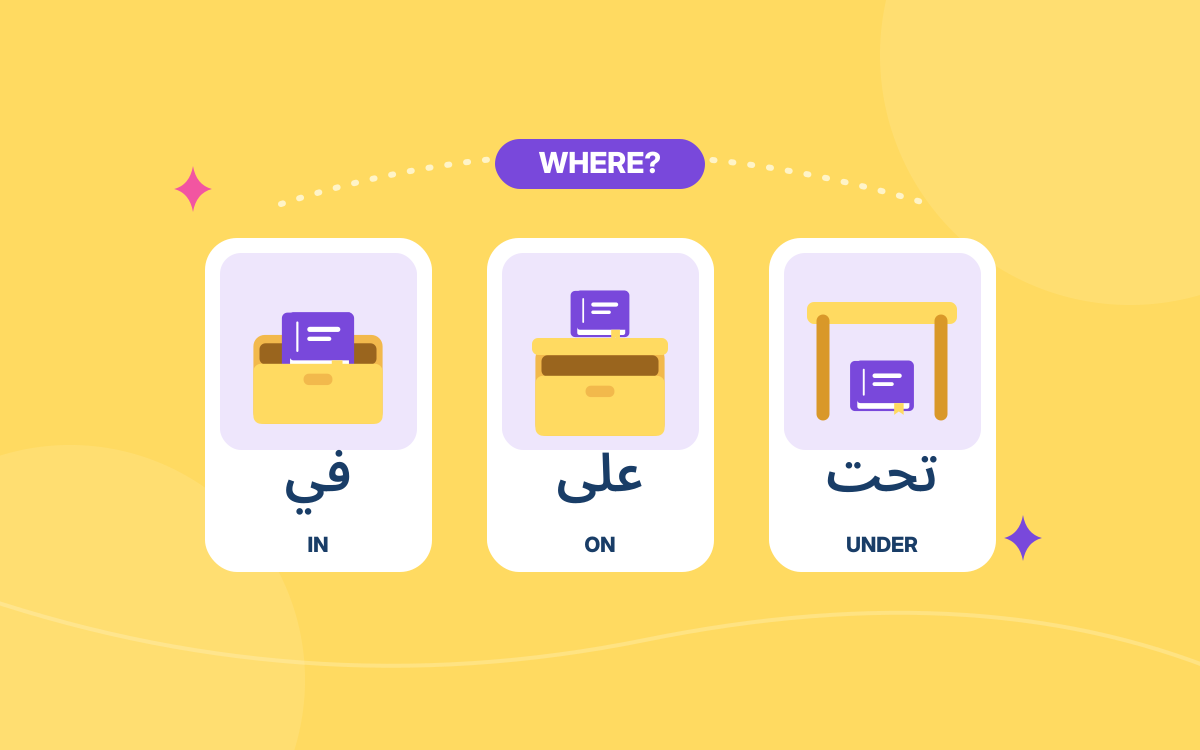
Arabic Prepositions: In, On, Under and Next To
فِي دَفْتَرٍ
Describe where notes were written.