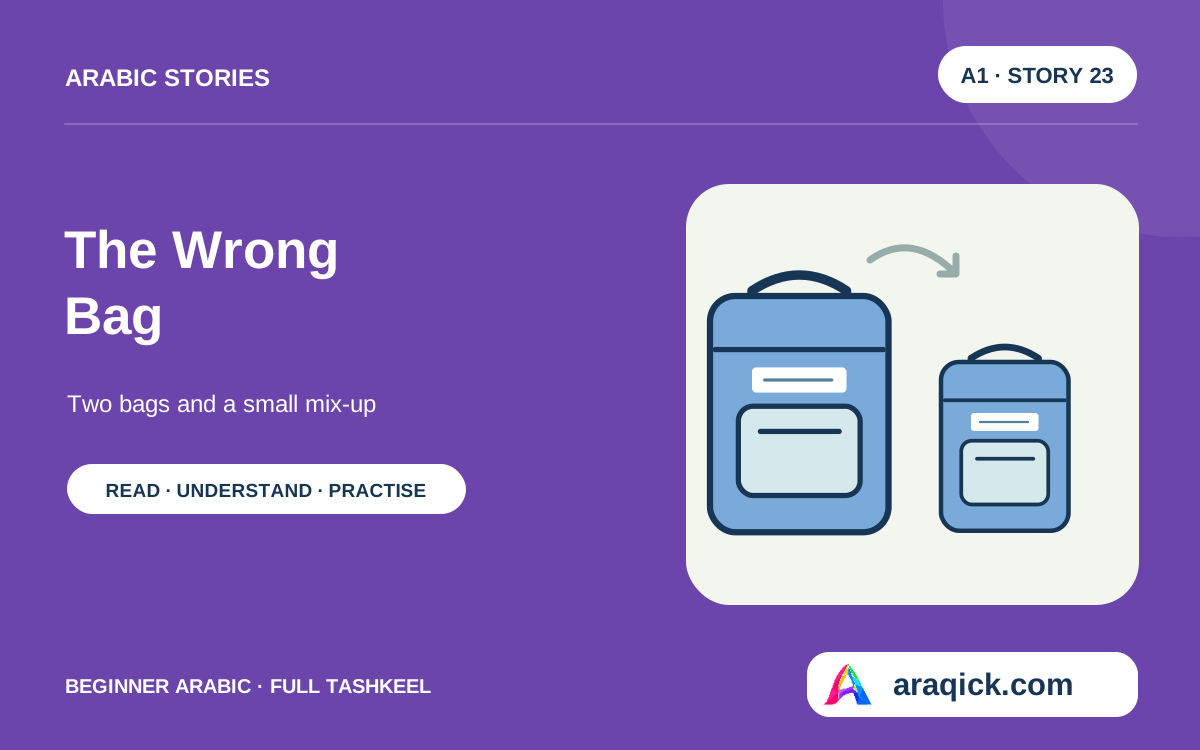
Two blue bags look alike at the library. When Ali finds an unfamiliar notebook, the names on the bags help him and his friend solve the mix-up.
01Read the Arabic story
حَقِيبَةٌ لَيْسَتْ لِي
يَقْرَأُ عَلِيٌّ فِي الْمَكْتَبَةِ مَعَ صَدِيقِهِ بَاسِمٍ. يَضَعُ كُلُّ وَاحِدٍ مِنْهُمَا حَقِيبَتَهُ بِجَانِبِ الْكُرْسِيِّ. الْحَقِيبَتَانِ زَرْقَاوَانِ وَجَدِيدَتَانِ. حَقِيبَةُ عَلِيٍّ كَبِيرَةٌ، وَحَقِيبَةُ بَاسِمٍ صَغِيرَةٌ. عَلَى كُلِّ حَقِيبَةٍ بِطَاقَةٌ بَيْضَاءُ فِيهَا اِسْمُ صَاحِبِهَا. بَاسِمٌ يَذْهَبُ إِلَى رَفِّ الْكُتُبِ.
يَنْتَهِي عَلِيٌّ مِنَ الْقِرَاءَةِ وَيَأْخُذُ الْحَقِيبَةَ الصَّغِيرَةَ. يُرِيدُ قَلَمَهُ، فَيَفْتَحُهَا. يَرَى دَفْتَرًا أَحْمَرَ وَكِتَابًا عَنِ الْحَيَوَانَاتِ. يَقُولُ: «دَفْتَرِي أَخْضَرُ. هَذَا لَيْسَ دَفْتَرِي!» يَنْظُرُ إِلَى الْبِطَاقَةِ وَيَقْرَأُ اِسْمَ بَاسِمٍ. الْآنَ يَفْهَمُ: هَذِهِ حَقِيبَةُ صَدِيقِهِ.
يَعُودُ بَاسِمٌ إِلَى الْكُرْسِيِّ. يَقُولُ عَلِيٌّ: «آسِفٌ يَا بَاسِمُ، هَذِهِ حَقِيبَتُكَ». يَبْتَسِمُ بَاسِمٌ وَيَقُولُ: «وَهَذِهِ حَقِيبَتُكَ الْكَبِيرَةُ!» يَأْخُذُ عَلِيٌّ حَقِيبَتَهُ وَيَنْظُرُ دَاخِلَهَا. دَفْتَرُهُ الْأَخْضَرُ وَقَلَمُهُ هُنَاكَ. يَقْرَأُ اِسْمَهُ عَلَى الْبِطَاقَةِ. يُشِيرُ إِلَى اِسْمِهِ وَيَقُولُ: «هَذِهِ حَقِيبَتِي». ثُمَّ يَخْرُجُ مَعَ صَدِيقِهِ.
Show English translationHide English translation
Ali reads in the library with his friend Basim. Each of them puts his bag beside the chair. Both bags are blue and new. Ali’s bag is big, and Basim’s bag is small. On each bag is a white label with its owner’s name. Basim goes to the bookshelf.
Ali finishes reading and picks up the small bag. He wants his pen, so he opens it. He sees a red notebook and a book about animals. He says, “My notebook is green. This is not my notebook!” He looks at the label and reads Basim’s name. Now he understands: this is his friend’s bag.
Basim returns to the chair. Ali says, “Sorry, Basim, this is your bag.” Basim smiles and says, “And this is your big bag!” Ali takes his bag and looks inside. His green notebook and his pen are there. He reads his name on the label. He points to his name and says, “This is my bag.” Then he leaves with his friend.
02Useful words from the story
| Arabic in the story | Meaning here |
|---|---|
| الْمَكْتَبَةِ | the library |
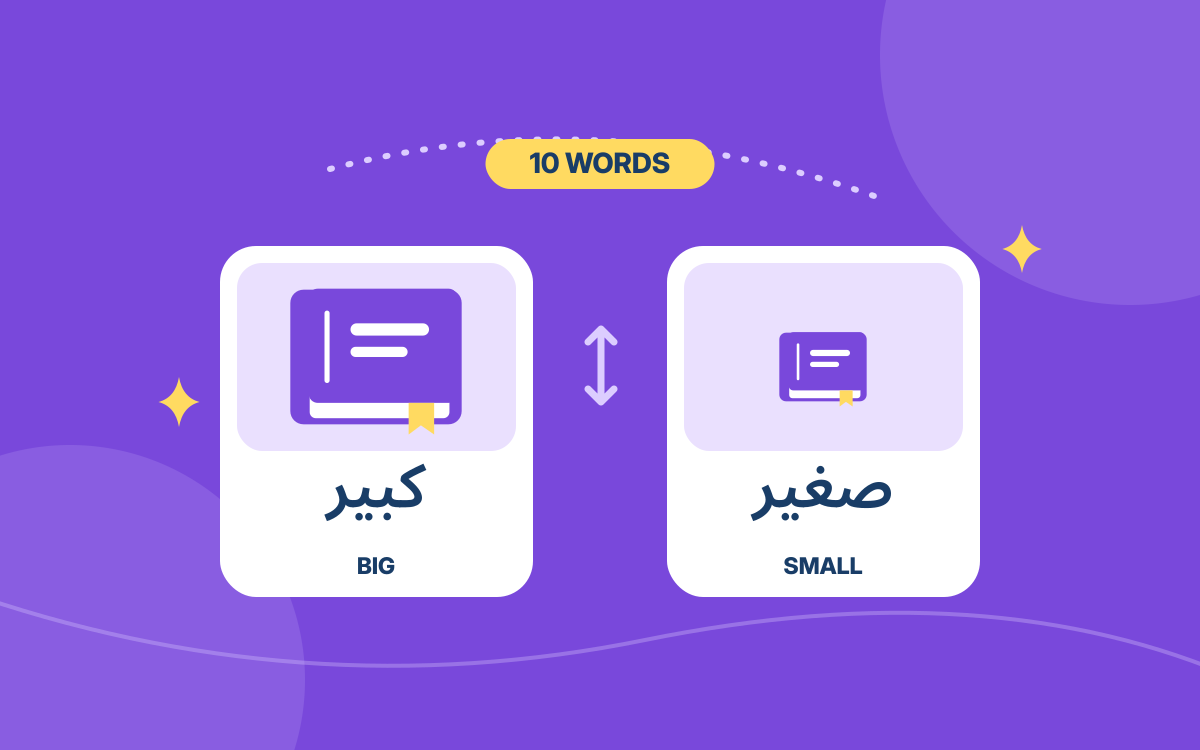
| كَبِيرَةٌ | big |
| صَغِيرَةٌ | small |
| بِطَاقَةٌ بَيْضَاءُ | a white label |
| دَفْتَرِي | my notebook |
| آسِفٌ | sorry |
| حَقِيبَتُكَ | your bag; to one man |
03Check your understanding
Choose one answer for each question. Look back at the Arabic story when you need a clue. Open the English support if you need help understanding a question.
What to remember
- The bags share a colour, but their sizes, contents and name labels identify their owners.
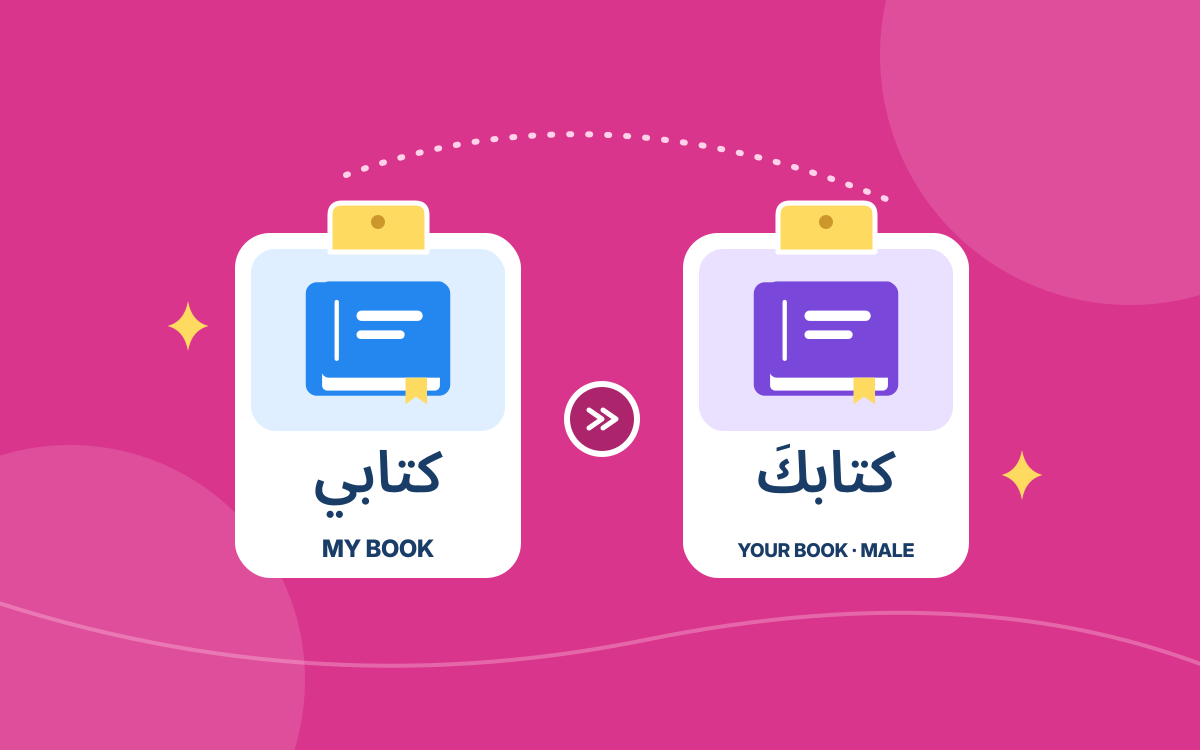
- Attached endings express possession: دَفْتَرِي means my notebook, and حَقِيبَتُكَ means your bag when speaking to one man.
Explore the Arabic in this story
Related grammar and vocabularyOpen Araqick guides connected to this story.
My and Your in Arabic: How to Show Possession
هَذِهِ حَقِيبَتُكَ
Compare my notebook and your bag as the friends identify their belongings.
Arabic Adjectives: 10 Words to Describe Everyday Things
حَقِيبَةُ عَلِيٍّ كَبِيرَةٌ
Use the big and small descriptions to tell the two bags apart.
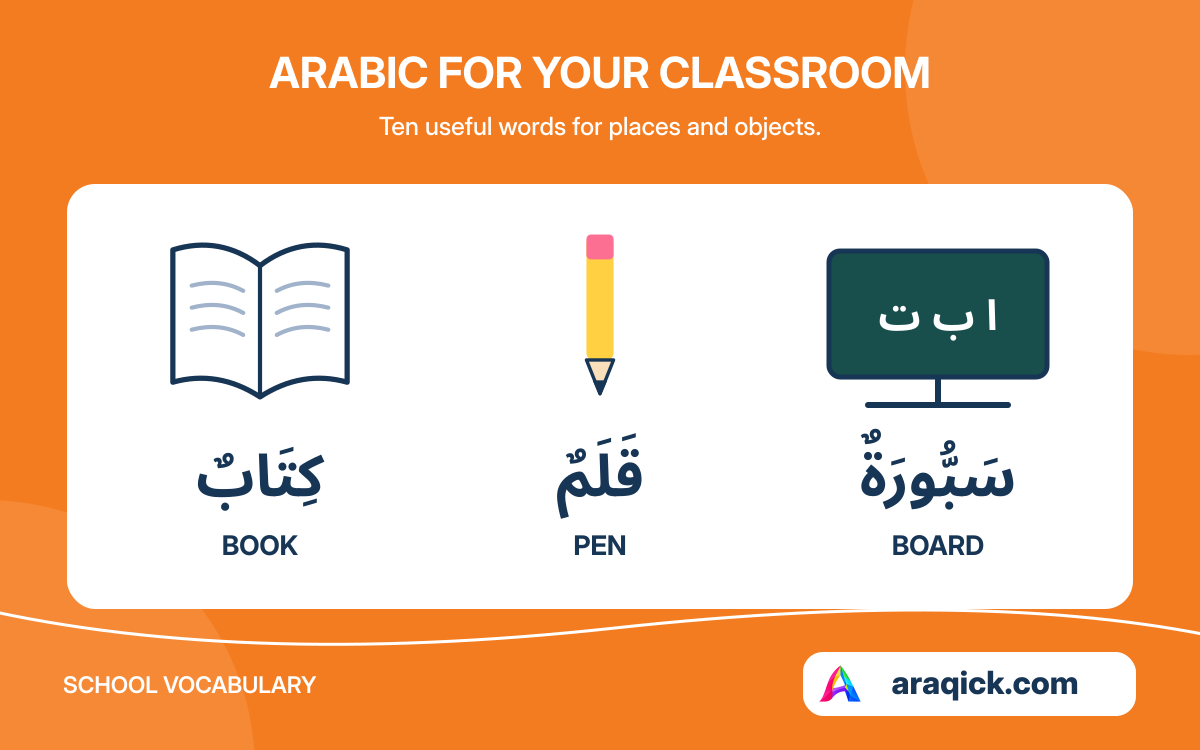
School Vocabulary in Arabic: Classroom Objects and Places
دَفْتَرًا أَحْمَرَ
Review the bag, notebook and pen words that reveal the mix-up.