Salim and Mahir compare their Arabic lessons and Friday activities, then arrange to study together. Practise matching each activity with its day and time.
01Read the Arabic conversation
جَدْوَلُنَا الْأُسْبُوعِيُّ
سَالِمٌ: مَتَى دَرْسُ الْعَرَبِيَّةِ عِنْدَكَ؟
مَاهِرٌ: عِنْدِي دَرْسٌ يَوْمَ الِاثْنَيْنِ وَيَوْمَ الْأَرْبِعَاءِ.
سَالِمٌ: فِي أَيِّ سَاعَةٍ يَبْدَأُ؟
مَاهِرٌ: فِي السَّاعَةِ الثَّامِنَةِ صَبَاحًا. وَأَنْتَ؟
سَالِمٌ: دَرْسِي فِي الْوَقْتِ نَفْسِهِ.
مَاهِرٌ: مَاذَا تَفْعَلُ يَوْمَ الْجُمُعَةِ؟
سَالِمٌ: أَلْعَبُ كُرَةَ الْقَدَمِ فِي السَّاعَةِ الرَّابِعَةِ مَسَاءً.
مَاهِرٌ: أَنَا أَذْهَبُ إِلَى الْمَكْتَبَةِ يَوْمَ الْجُمُعَةِ.
سَالِمٌ: مَتَى تَذْهَبُ إِلَيْهَا؟
مَاهِرٌ: فِي السَّاعَةِ الْعَاشِرَةِ صَبَاحًا.
سَالِمٌ: هَلْ أَنْتَ مَشْغُولٌ يَوْمَ السَّبْتِ؟
مَاهِرٌ: لَا، أَنَا حُرٌّ بَعْدَ الظُّهْرِ.
سَالِمٌ: جَيِّدٌ! نَدْرُسُ مَعًا يَوْمَ السَّبْتِ.
مَاهِرٌ: نَعَمْ، فِي السَّاعَةِ الثَّالِثَةِ مَسَاءً.
Show English translationHide English translation
Salim: When is your Arabic lesson?
Mahir: I have a lesson on Monday and Wednesday.
Salim: What time does it start?
Mahir: At eight in the morning. And you?
Salim: My lesson is at the same time.
Mahir: What do you do on Friday?
Salim: I play football at four in the afternoon.
Mahir: I go to the library on Friday.
Salim: When do you go there?
Mahir: At ten in the morning.
Salim: Are you busy on Saturday?
Mahir: No, I am free in the afternoon.
Salim: Good! Let’s study together on Saturday.
Mahir: Yes, at three in the afternoon.
02Useful words and expressions
| Arabic | Meaning in this conversation |
|---|---|
| يَوْمَ الِاثْنَيْنِ | on Monday |
| يَوْمَ الْأَرْبِعَاءِ | on Wednesday |
| فِي أَيِّ سَاعَةٍ | at what time |
| فِي الْوَقْتِ نَفْسِهِ | at the same time |
| كُرَةَ الْقَدَمِ | football — the object of “I play” |
| يَوْمَ الْجُمُعَةِ | on Friday |
| بَعْدَ الظُّهْرِ | in the afternoon |
| نَدْرُسُ مَعًا | we study together; let’s study together here |
03Check your understanding
Answer these seven questions using the conversation. You can reopen the English translation or return to the Arabic dialogue whenever you need help.
What to remember
- Use يَوْمَ with a day name to place an activity in your weekly schedule.
- Ask فِي أَيِّ سَاعَةٍ يَبْدَأُ؟ for a starting time, then add صَبَاحًا or مَسَاءً to make the time clear.
Explore the Arabic in this conversation
Related grammar and vocabularyOpen Araqick guides connected to this conversation.
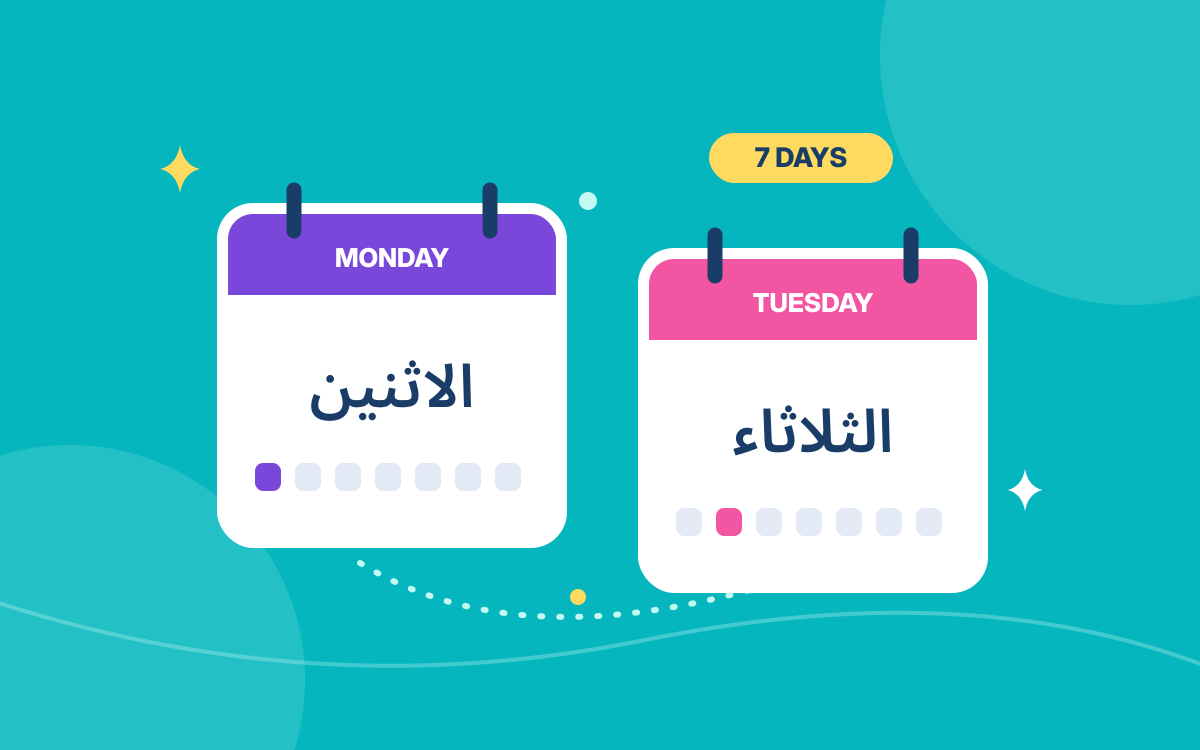
Days of the Week in Arabic: Names and Everyday Examples
عِنْدِي دَرْسٌ يَوْمَ الِاثْنَيْنِ وَيَوْمَ الْأَرْبِعَاءِ.
Review the day names used to compare lessons and regular activities.
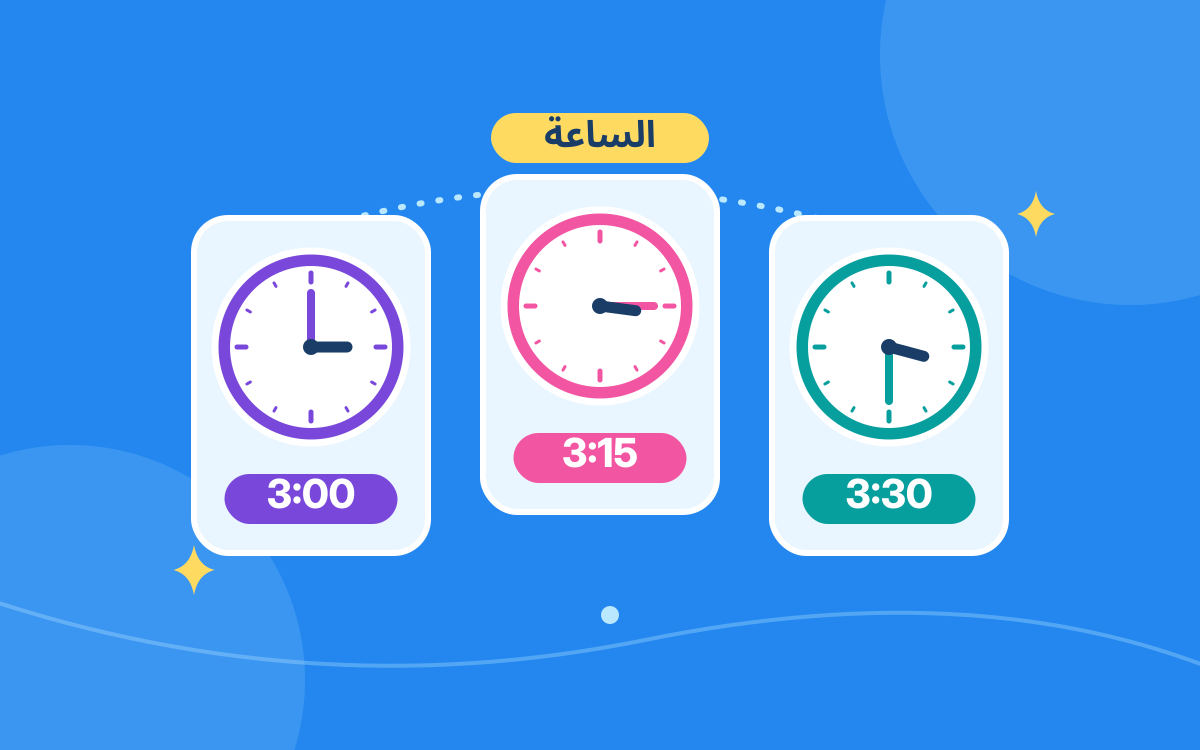
Telling the Time in Arabic: Hours, Half Past and Quarter Past
فِي السَّاعَةِ الثَّامِنَةِ صَبَاحًا.
Match whole-hour expressions to the times of lessons and activities.
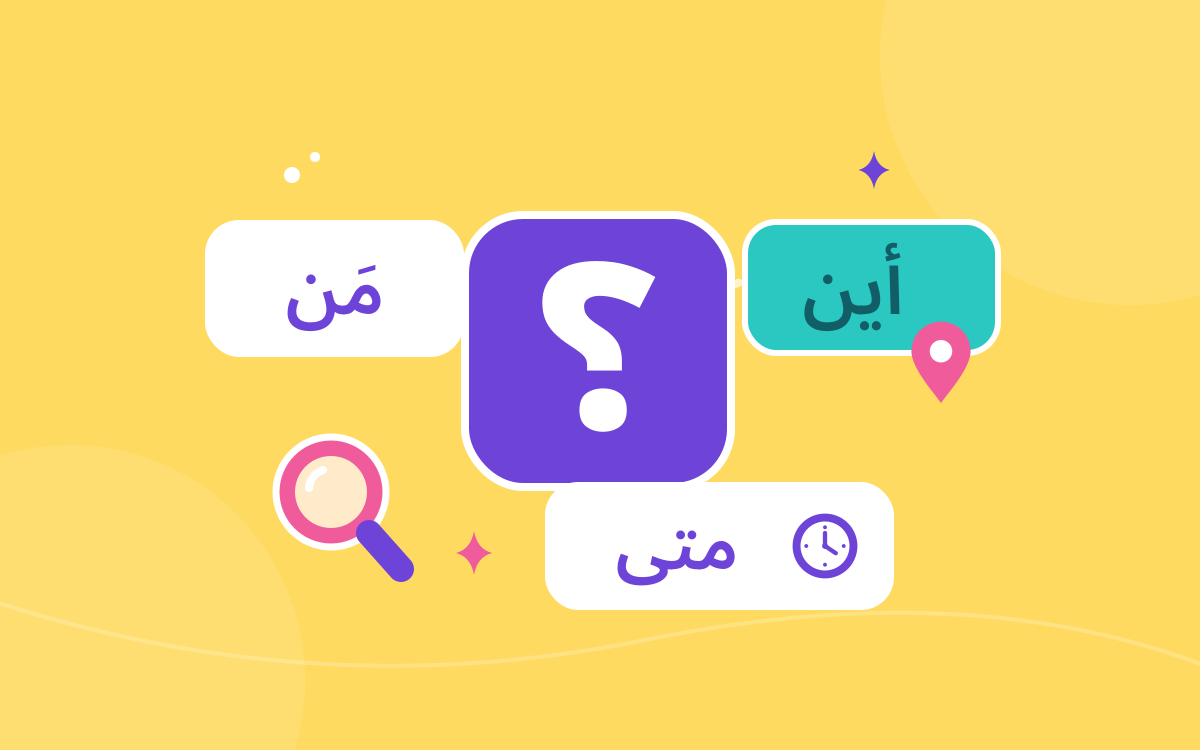
Arabic Question Words: Who, What, Where, When, and Why
مَتَى تَذْهَبُ إِلَيْهَا؟
Use the question word for “when” to ask about a regular activity.