Omar and Nabil compare their mornings before school. Follow waking up, washing, breakfast and leaving home, then notice how they arrange to walk together.
01Read the Arabic conversation
مِنَ الصَّبَاحِ إِلَى الْمَدْرَسَةِ
عُمَرُ: مَتَى تَسْتَيْقِظُ صَبَاحًا يَا نَبِيلُ؟
نَبِيلٌ: أَسْتَيْقِظُ فِي السَّاعَةِ السَّادِسَةِ.
عُمَرُ: مَاذَا تَفْعَلُ بَعْدَ ذٰلِكَ؟
نَبِيلٌ: أَغْسِلُ وَجْهِي، ثُمَّ أَلْبَسُ مَلَابِسِي.
عُمَرُ: وَمَتَى تَتَنَاوَلُ الْفُطُورَ؟
نَبِيلٌ: فِي السَّاعَةِ السَّادِسَةِ وَالنِّصْفِ. وَأَشْرَبُ الْحَلِيبَ.
عُمَرُ: أَنَا أَسْتَيْقِظُ فِي السَّاعَةِ السَّابِعَةِ.
نَبِيلٌ: وَمَاذَا تَفْعَلُ بَعْدَ ذٰلِكَ؟
عُمَرُ: أَتَنَاوَلُ الْفُطُورَ، ثُمَّ أُنَظِّفُ أَسْنَانِي.
نَبِيلٌ: مَتَى تَخْرُجُ مِنَ الْبَيْتِ؟
عُمَرُ: أَخْرُجُ فِي السَّاعَةِ الثَّامِنَةِ، وَأَمْشِي إِلَى الْمَدْرَسَةِ.
نَبِيلٌ: أَنَا أَيْضًا أَمْشِي إِلَى الْمَدْرَسَةِ.
عُمَرُ: هَلْ نَلْتَقِي أَمَامَ بَيْتِي فِي الثَّامِنَةِ؟
نَبِيلٌ: نَعَمْ، إِلَى اللِّقَاءِ غَدًا.
Show English translationHide English translation
Omar: When do you wake up in the morning, Nabil?
Nabil: I wake up at six o’clock.
Omar: What do you do after that?
Nabil: I wash my face, then I put on my clothes.
Omar: And when do you have breakfast?
Nabil: At half past six. And I drink milk.
Omar: I wake up at seven o’clock.
Nabil: And what do you do after that?
Omar: I have breakfast, then I brush my teeth.
Nabil: When do you leave home?
Omar: I leave at eight o’clock and walk to school.
Nabil: I also walk to school.
Omar: Shall we meet in front of my house at eight?
Nabil: Yes, see you tomorrow.
02Useful words and expressions
| Arabic in the conversation | Meaning here |
|---|---|
| أَسْتَيْقِظُ | I wake up |
| أَغْسِلُ وَجْهِي | I wash my face |
| ثُمَّ | then |
| أَلْبَسُ مَلَابِسِي | I put on my clothes |
| أَتَنَاوَلُ الْفُطُورَ | I have breakfast |
| أُنَظِّفُ أَسْنَانِي | I brush my teeth |
| أَخْرُجُ | I leave / go out |
| أَمْشِي إِلَى الْمَدْرَسَةِ | I walk to school |
03Check your understanding
Choose one answer for each question. Look back at the Arabic conversation for evidence. Open the English question support or a hint when you need help.
What to remember
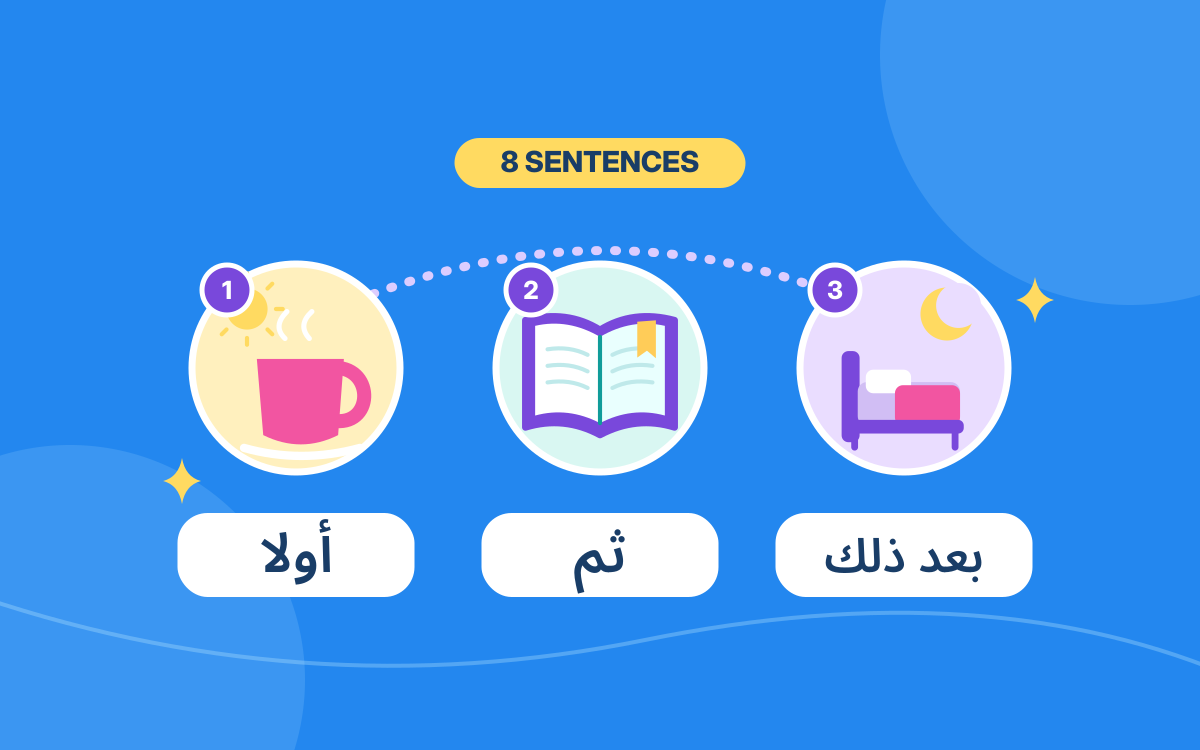
- Connect daily actions with ثُمَّ to show what happens next.
- Use مَتَى for a time question and فِي السَّاعَةِ before the hour in your answer.
Explore the Arabic in this conversation
Related grammar and vocabularyOpen Araqick guides connected to this conversation.
My Daily Routine in Arabic: 8 Simple Sentences
أَغْسِلُ وَجْهِي، ثُمَّ أَلْبَسُ مَلَابِسِي.
Practise short first-person sentences for a normal morning.
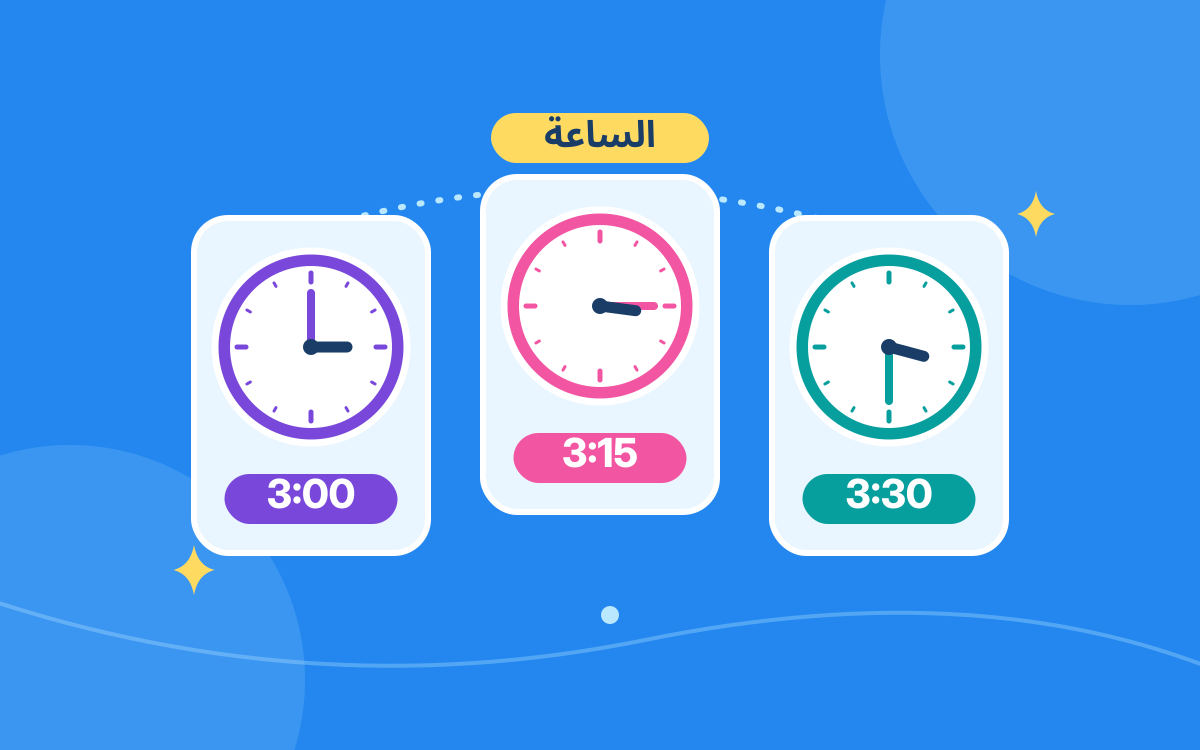
Telling the Time in Arabic: Hours, Half Past and Quarter Past
فِي السَّاعَةِ السَّادِسَةِ وَالنِّصْفِ.
Read the hours and half-hour used in the routine.
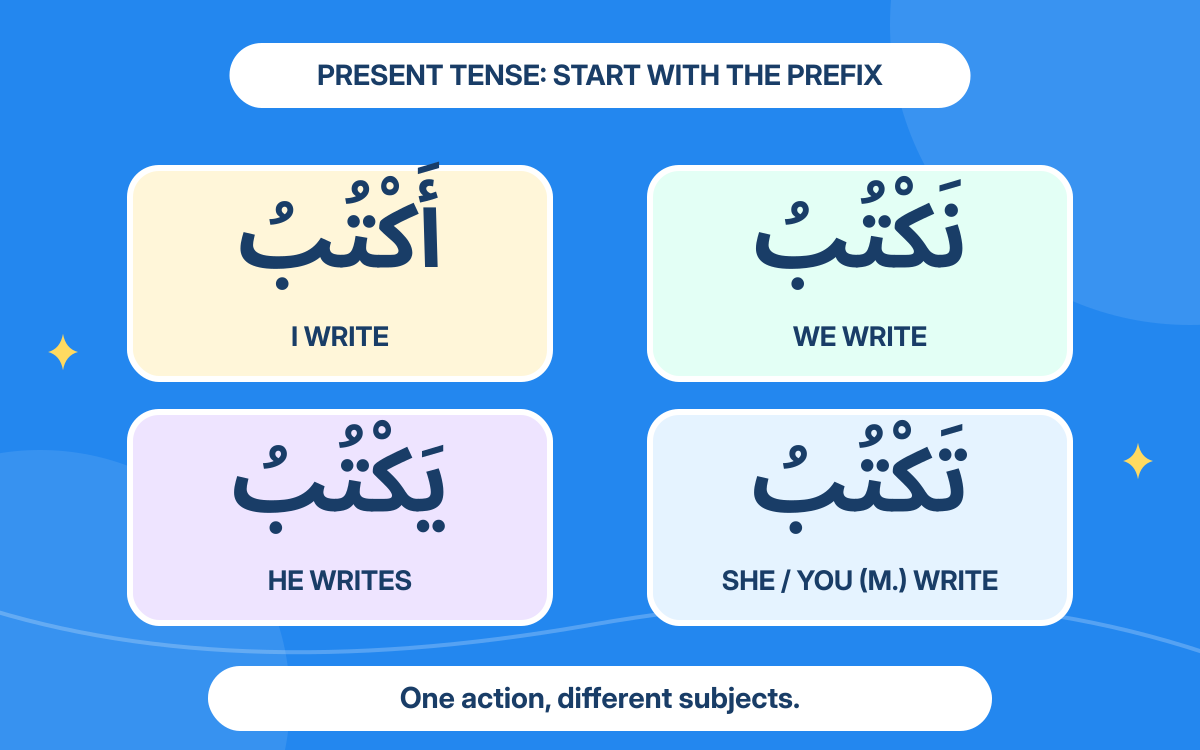
Arabic Present-Tense Prefixes: I Write, We Write, He Writes and She Writes
أَخْرُجُ فِي السَّاعَةِ الثَّامِنَةِ.
Notice the first-person verbs that describe each speaker’s actions.