The 99 Names of Allah are commonly studied as الْأَسْمَاءُ الْحُسْنَىٰ, al-asmaa al-husnaa, “the most beautiful names.” This guide provides Arabic, plain-letter pronunciation and concise meanings for a complete 99-entry list attributed to Jami at-Tirmidhi 3507. Its particular enumeration has a different authenticity status from the general ninety-nine-name report in Bukhari and Muslim; the distinction matters when using any list.
01What does Asma al-Husna mean?
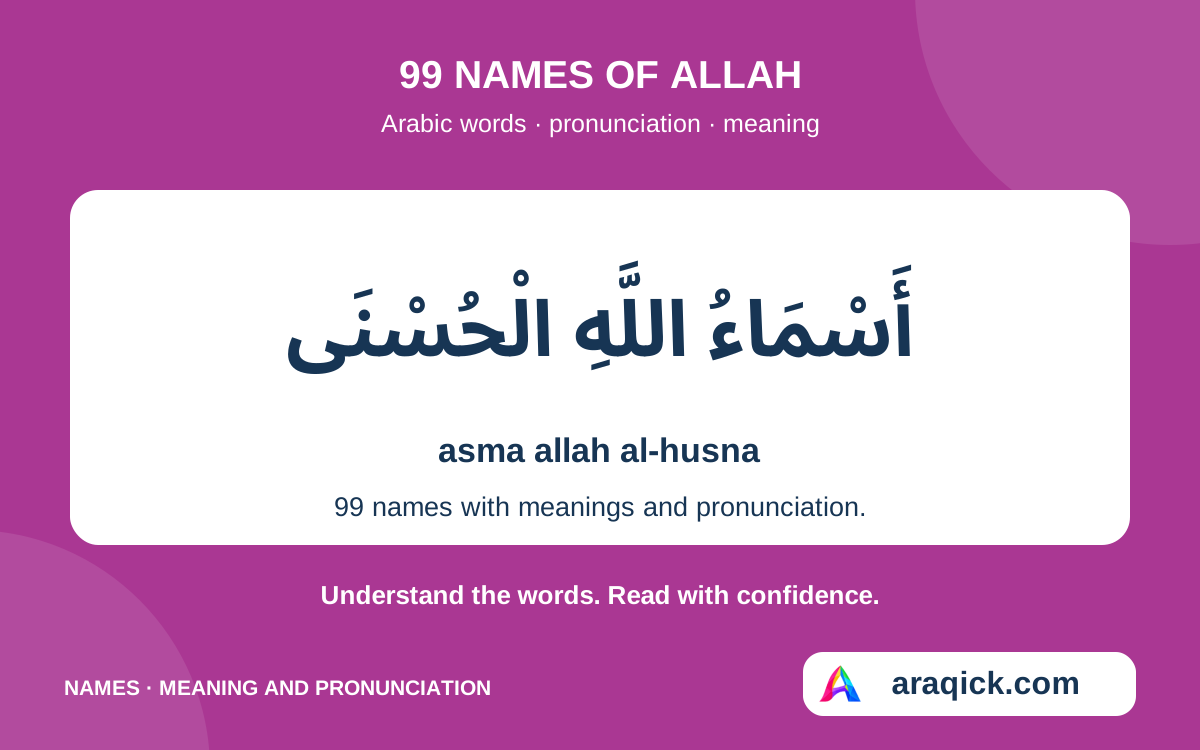
الْأَسْمَاءُ الْحُسْنَىٰ, al-asmaa al-husnaa, means “the most beautiful names.” Asmaa is the plural of ism, name; husnaa conveys supreme beauty or excellence. Quran 7:180 associates these names with calling upon Allah. Quran 59:22–24 brings several together, including names connected with mercy, sovereignty, holiness and creation.
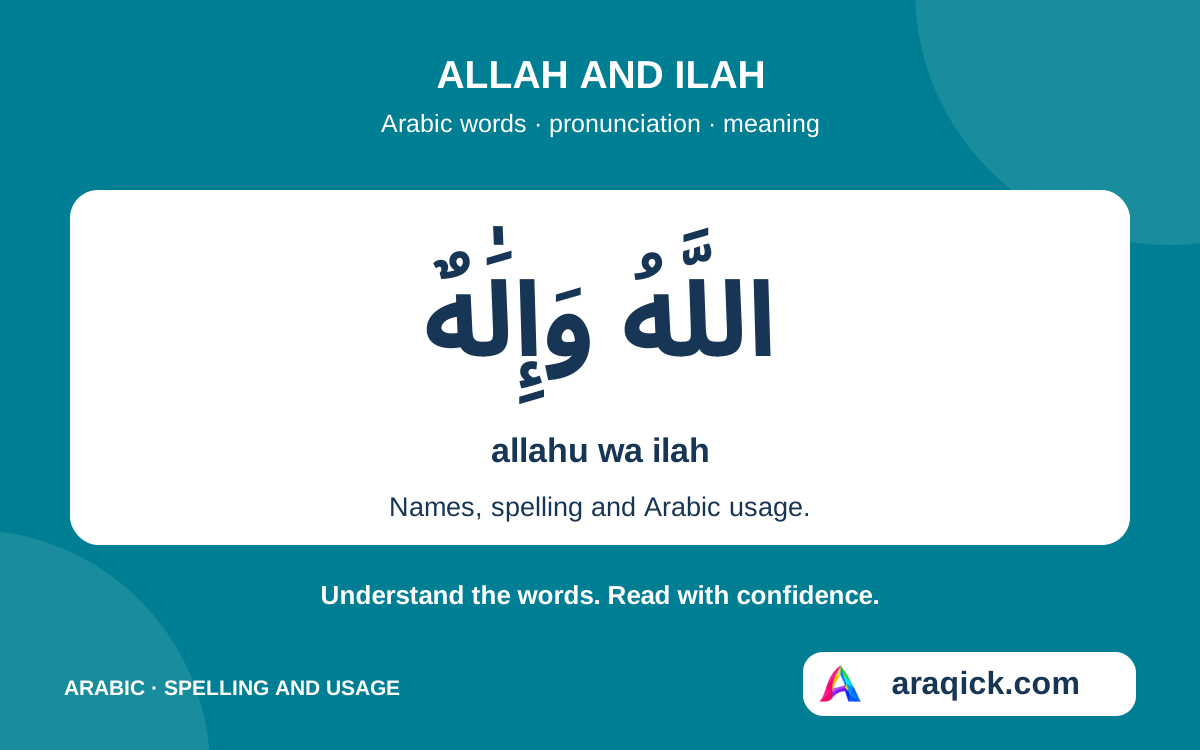
The Arabic names describe divine perfection, rather than a set of unrelated vocabulary labels. English glosses offer a starting point; one short translation cannot contain every implication. For the divine name itself and the common noun ilaah, see Allah and ilah in Arabic.
02Which 99-name list does this page follow?
The numbered reference follows the familiar enumeration in Jami at-Tirmidhi 3507, counting Allah first. It does not insert Al-Ahad, which appears in some other teaching lists. This identifies the selection precisely rather than suggesting every printed poster has the same numbering.
Sahih al-Bukhari 2736 and Sahih Muslim 2677a contain the authentic general report about ninety-nine names, but do not enumerate this entire sequence. Sunnah.com labels the Tirmidhi enumerating report weak in its Darussalam grading. Lists and order therefore vary; this table is an attributed learning reference, not a universally agreed Prophetic enumeration. The names are not restricted to ninety-nine, as Ibn Kathir explains under Quran 7:180.
03Read the letters before relying on roman spelling
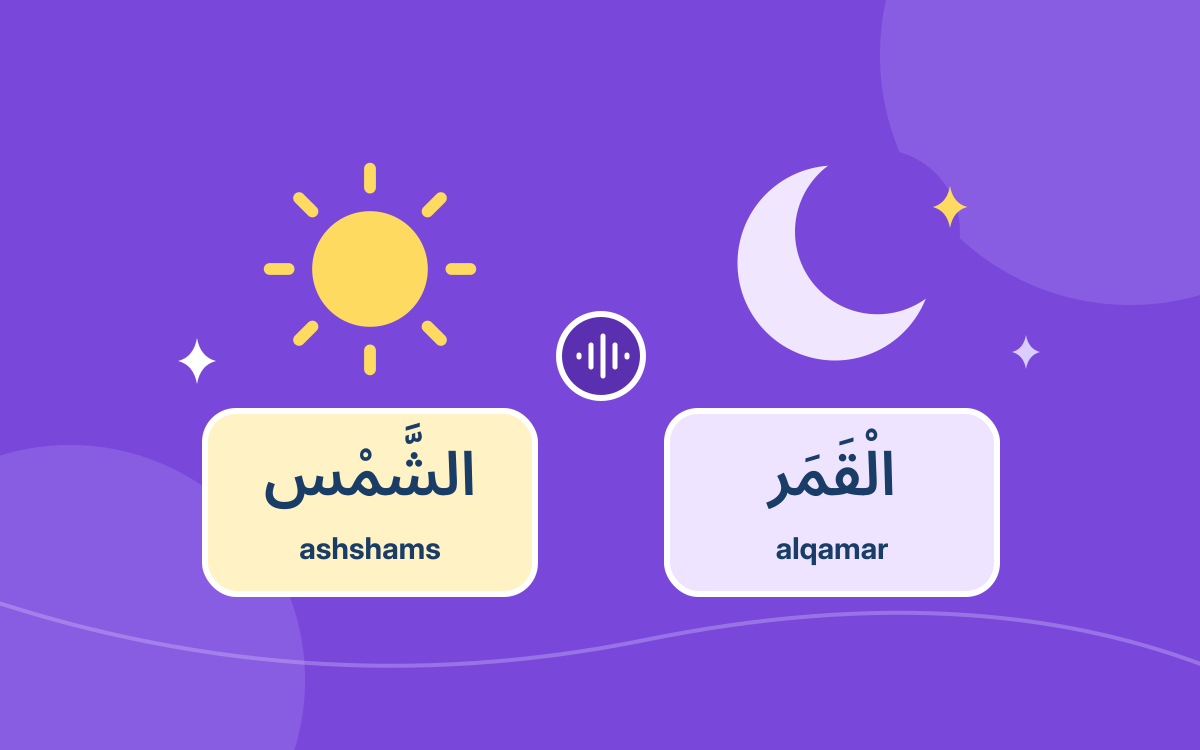
Our plain-letter readings use aa, ii and uu for long vowels. They show the names at a pause, without a final grammatical case vowel. The Arabic article remains written al-, but its l blends into a following sun letter: الرَّحِيم is read ar-rahiim, not al-rahiim.
Double consonants represent the shaddah mark and need a clear hold. Plain letters cannot fully show ayn, hamza, the two Arabic h sounds or emphatic consonants. Several throat sounds are simplified in the table; kh, gh, dh and zh are approximate guides, not English sound equivalents. Compare the Arabic and listen to a qualified reader. Review sun and moon letters for the article pattern.
04Keep similar-looking names distinct
الْمَجِيد, Al-Majiid, has a long ii after j; الْمَاجِد, Al-Maajid, has a long aa after m. Both concern glory, but their spelling and vowel pattern differ. Likewise, الْوَلِيّ, Al-Waliyy, has a short first vowel and doubled final y, while الْوَالِي, Al-Waalii, contains a long aa and ends in a long ii.
Learn each name from its complete Arabic form rather than flattening both into the same English spelling. The second reference compares these pairs. Shared roots explain connections, while vowel patterns preserve important distinctions between individual forms.
05Understand a gloss within its divine context
الْمُؤْمِن, Al-Mu'min, is glossed here as “the Giver of security,” not simply the everyday noun “a believer.” Al-Mutakabbir expresses supreme greatness in this divine context; translating it as an ordinary human character fault would mislead.
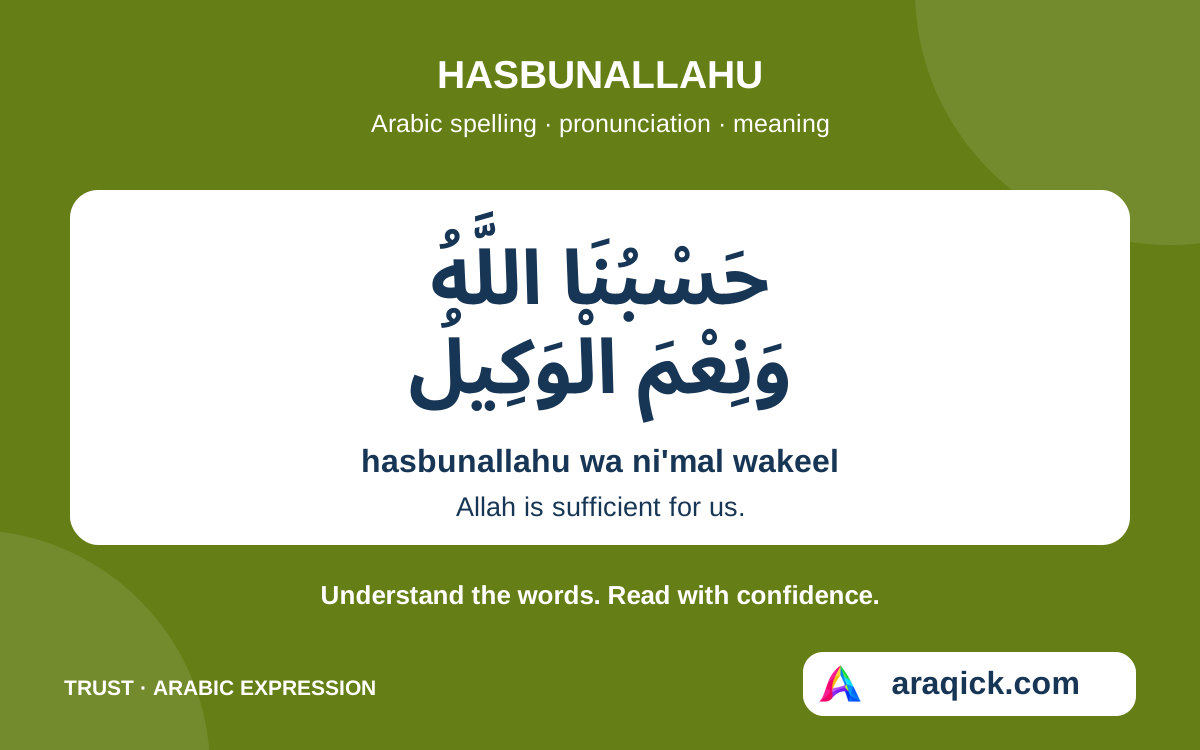
Some names in this enumeration are often studied as pairs, such as Al-Qaabid and Al-Baasit, constricting and expanding. Read short glosses about withholding, harm or requital within divine wisdom and justice, not human malice. These brief meanings do not settle the separate scholarly question of evidence for each listed name. For another familiar name in a phrase, compare Al-Wakil in Hasbunallahu.
06Build understanding alongside recall
Choose a small group, read its Arabic carefully, cover the English column and recall the meaning. Then reverse the task: identify a name from its meaning and check the spelling. Compare related words only after you can recognise each separately.
When connecting a name with a Quranic passage, record the verse and read its context; do not assume every item in a popular list occurs verbatim in the Quran. Keep source checking separate from memorising an order. This language exercise supplies no prescribed repetition count, special formula or promised worldly result. Understanding the words is the goal of the practice questions.
What to remember
- The table follows the specific 99-entry enumeration in Tirmidhi 3507, whose enumerating report is graded weak by Darussalam.
- Bukhari and Muslim establish the general report about ninety-nine names without giving this complete numbered sequence.
- Arabic spelling, vowel length and context help preserve distinctions that short English glosses cannot fully express.
Your reference shelf
Open a guide whenever you need it.
Complete 99-name Arabic reference99 entries in the order of the Tirmidhi 3507 enumeration, including Allah first. This particular enumerating report is graded weak; lists and numbering vary. The glosses are brief learning aids.
| No. | Arabic name | Plain-letter reading | Short English gloss |
|---|---|---|---|
| 1 | اللَّه | Allah | God; the proper divine name |
| 2 | الرَّحْمَٰن | Ar-Rahmaan | The All-Merciful |
| 3 | الرَّحِيم | Ar-Rahiim | The Merciful |
| 4 | الْمَلِك | Al-Malik | The King |
| 5 | الْقُدُّوس | Al-Qudduus | The Most Holy |
| 6 | السَّلَام | As-Salaam | The Source of peace; free of imperfection |
| 7 | الْمُؤْمِن | Al-Mu'min | The Giver of security |
| 8 | الْمُهَيْمِن | Al-Muhaymin | The Guardian and Overseer |
| 9 | الْعَزِيز | Al-Aziiz | The Almighty |
| 10 | الْجَبَّار | Al-Jabbaar | The Compeller |
| 11 | الْمُتَكَبِّر | Al-Mutakabbir | The Supremely Great |
| 12 | الْخَالِق | Al-Khaaliq | The Creator |
| 13 | الْبَارِئ | Al-Baari | The Originator of creation |
| 14 | الْمُصَوِّر | Al-Musawwir | The Fashioner of forms |
| 15 | الْغَفَّار | Al-Ghaffaar | The Oft-Forgiving |
| 16 | الْقَهَّار | Al-Qahhaar | The All-Subduing |
| 17 | الْوَهَّاب | Al-Wahhaab | The Ever-Giving |
| 18 | الرَّزَّاق | Ar-Razzaaq | The Provider |
| 19 | الْفَتَّاح | Al-Fattaah | The Opener; the Decisive Judge |
| 20 | الْعَلِيم | Al-Aliim | The All-Knowing |
| 21 | الْقَابِض | Al-Qaabid | The One who constricts |
| 22 | الْبَاسِط | Al-Baasit | The One who expands |
| 23 | الْخَافِض | Al-Khaafid | The One who lowers |
| 24 | الرَّافِع | Ar-Raafi | The One who raises |
| 25 | الْمُعِزّ | Al-Muizz | The Giver of honour |
| 26 | الْمُذِلّ | Al-Mudhill | The One who brings low |
| 27 | السَّمِيع | As-Samii | The All-Hearing |
| 28 | الْبَصِير | Al-Basiir | The All-Seeing |
| 29 | الْحَكَم | Al-Hakam | The Judge |
| 30 | الْعَدْل | Al-Adl | The Just |
| 31 | اللَّطِيف | Al-Latiif | The Subtle; the Gentle |
| 32 | الْخَبِير | Al-Khabiir | The All-Aware |
| 33 | الْحَلِيم | Al-Haliim | The Forbearing |
| 34 | الْعَظِيم | Al-Azhiim | The Magnificent |
| 35 | الْغَفُور | Al-Ghafuur | The All-Forgiving |
| 36 | الشَّكُور | Ash-Shakuur | The One who abundantly rewards good |
| 37 | الْعَلِيّ | Al-Aliyy | The Most High |
| 38 | الْكَبِير | Al-Kabiir | The Great |
| 39 | الْحَفِيظ | Al-Hafiizh | The Preserver |
| 40 | الْمُقِيت | Al-Muqiit | The Sustainer |
| 41 | الْحَسِيب | Al-Hasiib | The Reckoner; the Sufficient |
| 42 | الْجَلِيل | Al-Jaliil | The Majestic |
| 43 | الْكَرِيم | Al-Kariim | The Generous |
| 44 | الرَّقِيب | Ar-Raqiib | The Watchful |
| 45 | الْمُجِيب | Al-Mujiib | The Responder |
| 46 | الْوَاسِع | Al-Waasi | The All-Encompassing |
| 47 | الْحَكِيم | Al-Hakiim | The All-Wise |
| 48 | الْوَدُود | Al-Waduud | The Loving |
| 49 | الْمَجِيد | Al-Majiid | The Glorious |
| 50 | الْبَاعِث | Al-Baaith | The Resurrector |
| 51 | الشَّهِيد | Ash-Shahiid | The Witness |
| 52 | الْحَقّ | Al-Haqq | The Truth |
| 53 | الْوَكِيل | Al-Wakiil | The Trustee; the Disposer of affairs |
| 54 | الْقَوِيّ | Al-Qawiyy | The All-Strong |
| 55 | الْمَتِين | Al-Matiin | The Firm in strength |
| 56 | الْوَلِيّ | Al-Waliyy | The Protecting Ally |
| 57 | الْحَمِيد | Al-Hamiid | The Praiseworthy |
| 58 | الْمُحْصِي | Al-Muhsii | The One who enumerates all |
| 59 | الْمُبْدِئ | Al-Mubdi | The Originator |
| 60 | الْمُعِيد | Al-Muiid | The One who brings back |
| 61 | الْمُحْيِي | Al-Muhyii | The Giver of life |
| 62 | الْمُمِيت | Al-Mumiit | The One who causes death |
| 63 | الْحَيّ | Al-Hayy | The Ever-Living |
| 64 | الْقَيُّوم | Al-Qayyuum | The Self-Subsisting Sustainer |
| 65 | الْوَاجِد | Al-Waajid | The One who lacks nothing |
| 66 | الْمَاجِد | Al-Maajid | The Abundant in glory |
| 67 | الْوَاحِد | Al-Waahid | The One |
| 68 | الصَّمَد | As-Samad | The One on whom all depend |
| 69 | الْقَادِر | Al-Qaadir | The Able |
| 70 | الْمُقْتَدِر | Al-Muqtadir | The All-Powerful |
| 71 | الْمُقَدِّم | Al-Muqaddim | The One who brings forward |
| 72 | الْمُؤَخِّر | Al-Muakhkhir | The One who puts back |
| 73 | الْأَوَّل | Al-Awwal | The First |
| 74 | الْآخِر | Al-Aakhir | The Last |
| 75 | الظَّاهِر | Azh-Zhaahir | The Manifest |
| 76 | الْبَاطِن | Al-Baatin | The Hidden |
| 77 | الْوَالِي | Al-Waalii | The Governor |
| 78 | الْمُتَعَالِي | Al-Mutaalii | The Supremely Exalted |
| 79 | الْبَرّ | Al-Barr | The Source of goodness |
| 80 | التَّوَّاب | At-Tawwaab | The Accepter of repentance |
| 81 | الْمُنْتَقِم | Al-Muntaqim | The Just Requiter |
| 82 | الْعَفُوّ | Al-Afuww | The Pardoner |
| 83 | الرَّؤُوف | Ar-Rauuf | The Most Kind |
| 84 | مَالِكُ الْمُلْك | Maalik al-Mulk | The Owner of all sovereignty |
| 85 | ذُو الْجَلَالِ وَالْإِكْرَام | Dhu al-Jalaal wa al-Ikraam | The Possessor of majesty and generosity |
| 86 | الْمُقْسِط | Al-Muqsit | The Equitable |
| 87 | الْجَامِع | Al-Jaami | The Gatherer |
| 88 | الْغَنِيّ | Al-Ghaniyy | The Self-Sufficient |
| 89 | الْمُغْنِي | Al-Mughnii | The Enricher |
| 90 | الْمَانِع | Al-Maani | The Withholder |
| 91 | الضَّارّ | Ad-Daarr | The One who can bring harm |
| 92 | النَّافِع | An-Naafi | The One who grants benefit |
| 93 | النُّور | An-Nuur | The Light |
| 94 | الْهَادِي | Al-Haadii | The Guide |
| 95 | الْبَدِيع | Al-Badii | The Incomparable Originator |
| 96 | الْبَاقِي | Al-Baaqii | The Everlasting |
| 97 | الْوَارِث | Al-Waarith | The Inheritor |
| 98 | الرَّشِيد | Ar-Rashiid | The Guide to right judgment |
| 99 | الصَّبُور | As-Sabuur | The Most Patient |
Similar names: spelling and pronunciation comparisonCompare long vowels and related forms without treating similar roman spellings as identical Arabic names.
| Arabic | Plain-letter reading | Distinction |
|---|---|---|
| الْمَجِيد | Al-Majiid | Long ii after j; the Glorious |
| الْمَاجِد | Al-Maajid | Long aa after m; abundant in glory |
| الْوَلِيّ | Al-Waliyy | Short a after w and doubled y; the Protecting Ally |
| الْوَالِي | Al-Waalii | Long aa after w and final ii; the Governor |
| الْمَلِك | Al-Malik | Short a after m; the King |
| مَالِكُ الْمُلْك | Maalik al-Mulk | Long aa after m; the Owner of all sovereignty |
The roman reading simplifies throat and emphatic sounds. Arabic case endings depend on the sentence; the readings above are pause forms. In connected speech, Maalik al-Mulk may be heard as maaliku-l-mulk, and Dhu al-Jalaal wa al-Ikraam as dhu-l-jalaali wa-l-ikraam.
Sources & further learning
References for the language explanations and learning guidance.
- Jami at-Tirmidhi 3507: the enumeration followed here; graded weak by Darussalam
- Sahih al-Bukhari 2736: the general report about ninety-nine names
- Sahih Muslim 2677a: the general report without a complete name list
- Quran 7:180: the most beautiful names and calling upon Allah
- Ibn Kathir on Quran 7:180: the names are not restricted to ninety-nine
- Quran 59:22–24: divine names in their Quranic context
- Quranic Arabic Corpus: consonants, vowel length and shaddah