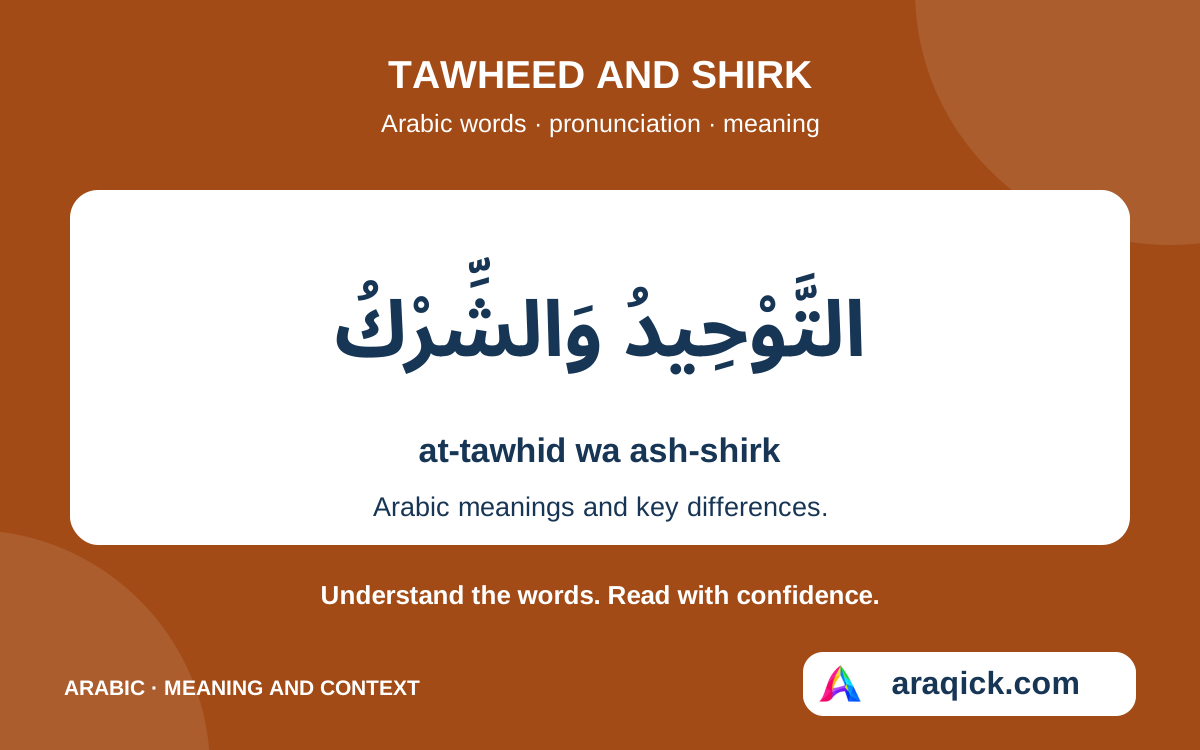
Tawheed, تَوْحِيدٌ, means affirming the oneness of Allah in Islamic usage. Shirk, شِرْكٌ, means associating partners with Allah in that religious context. The first word belongs to the Arabic family of oneness; the second belongs to a family involving sharing or partnership. Their roots help explain the meanings, while the sentence identifies the intended religious or everyday use.
01Tawheed names the affirmation of Allah’s oneness
Tawheed is an action noun related to وَحَّدَ, wahhada. With Allah as its object, that verb means acknowledging or affirming that He is One. The root letters are و ح د. The related word وَاحِدٌ, waahid, means one. Recognising the family connects the religious term with a familiar Arabic number word.
The religious meaning is not “making God become one.” It concerns acknowledging divine oneness and directing worship to Allah alone. Outside this context, the same action noun can concern bringing things into unity, so the words around it remain important.
02Read the concept and the actual wording separately
Surah al-Ikhlas, Quran 112, expresses Allah’s oneness and uniqueness. Its opening verse uses أَحَدٌ, ahad. A passage can therefore express the concept of tawheed without containing the noun tawheed itself. This distinction matters when learning vocabulary from a text: an explanatory topic heading is not automatically a quotation.
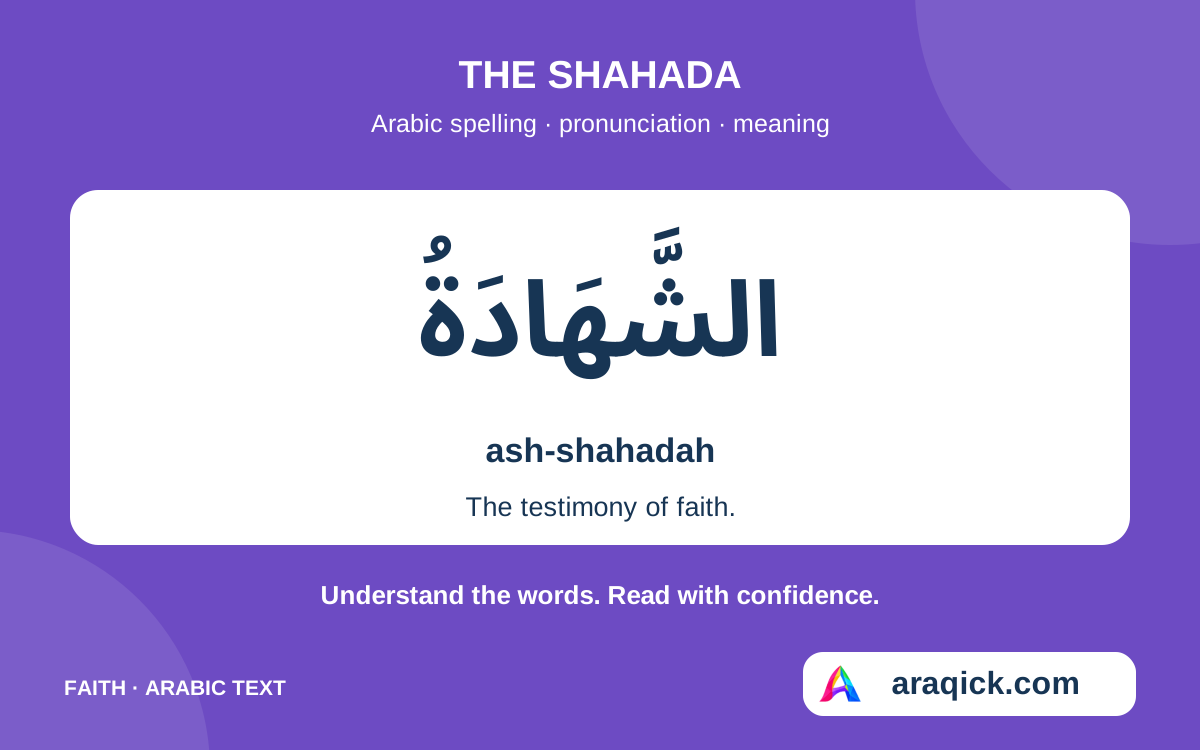
Sahih al-Bukhari 7372 uses a related verb when describing the invitation to affirm Allah’s oneness; its chapter heading also contains the noun. To connect this vocabulary with the familiar declaration of faith, read our Shahada in Arabic guide.
03Shirk has a specific religious meaning
In Islamic discussions, shirk concerns associating partners with Allah, including in worship. Quran 31:13 uses both a related verb and the noun in Luqman’s advice to his son. The passage treats this association as a grave wrong. The religious meaning is more specific than the general English idea of sharing something.
The root letters are ش ر ك. The related verb أَشْرَكَ, ashraka, can express associating partners in a religious sentence. Learning the object and surrounding phrase is essential: the root provides a connection, but does not by itself tell you what the whole sentence asserts.
04A shared root does not make every word theological
شَرِيكٌ, shariik, means a partner, and شُرَكَاءُ, shurakaa', is its plural. These forms can appear in everyday discussions as well as religious texts. The Cairo Arabic Academy’s dictionary also records شِرْكَةٌ, shirkah, for sharing or partnership, and شَرِكَةٌ, sharikah, for a company.
Compare the final taa marbutah in those nouns with شِرْكٌ. Similar root letters do not make “a company” a statement about worship. Use the vowels, pattern and context together. Our Arabic roots guide explains this relationship between a word family and each individual form.
05Pronounce tawhiid and shirk without adding vowels
Tawheed is commonly written tawhid or tauhid in English. A useful plain-letter reading is tawhiid: aw is followed by the throat consonant ح and a long ii. The h is not merely silent decoration. The Arabic spelling keeps this consonant visible even when English spellings vary.
Shirk has a short i followed by the consonant sequence r-k. Do not turn it into “shireek”: shariik is the different word meaning partner. In the fully marked standalone noun forms, tawhiidun and shirkun end with un. The pause readings tawhiid and shirk omit that final grammatical ending.
06Build a useful meaning map
Make one word-family card for tawhiid, wahhada and waahid, then another for shirk, ashraka and shariik. Label each form as an action noun, verb or noun describing a participant. Add a brief context to show whether a word is being used in religious discussion or everyday language.
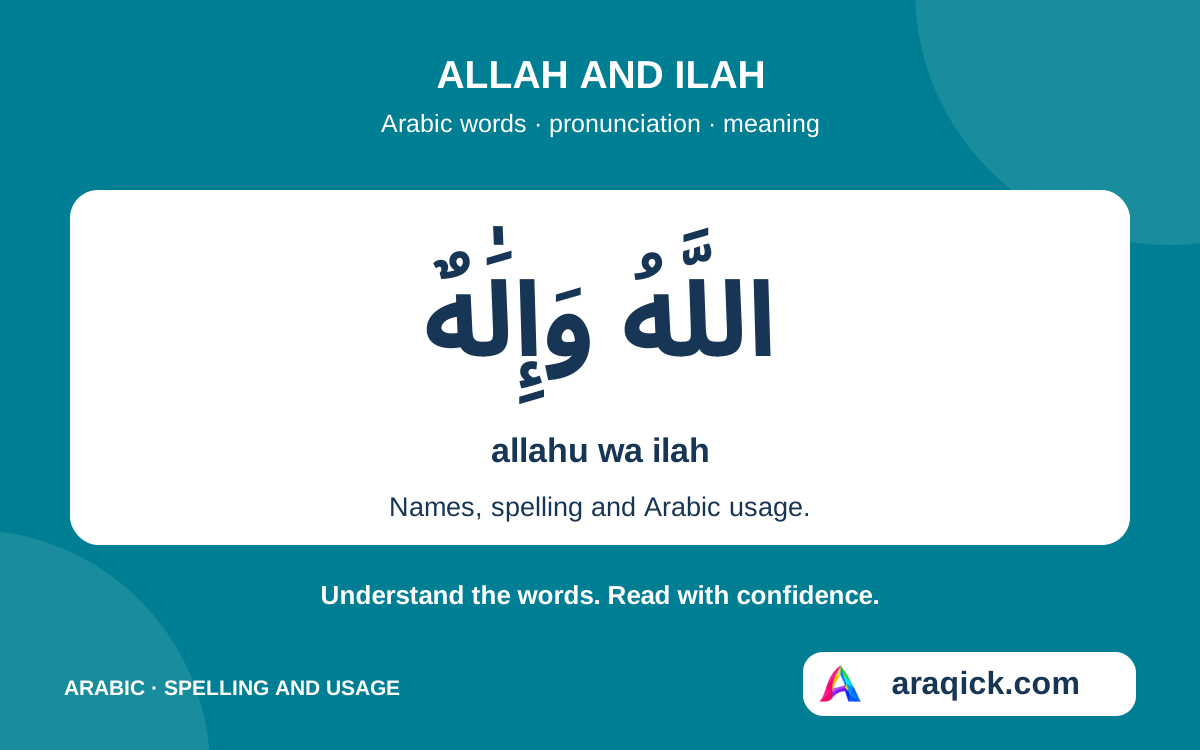
When a book develops further theological distinctions, follow its stated definitions and sources rather than assuming every author uses the same outline. For the basic vocabulary, retain the central difference: affirming Allah’s oneness and associating partners with Him. The Allah and ilah guide supplies another useful distinction for reading those sentences.
What to remember
- Tawheed affirms Allah’s oneness in Islamic usage; its root connects it with waahid, one.
- Shirk means associating partners with Allah in the religious context described.
- Related partnership words have their own forms and everyday meanings; read the vowels and context.
Your reference shelf
Open a guide whenever you need it.
Two word families to recogniseThese plain-letter readings pause at the word ending. The verbs retain their final short a in the listed dictionary form.
| Arabic | Reading | Form and meaning |
|---|---|---|
| تَوْحِيدٌ | tawhiid | Action noun; affirming Allah’s oneness in Islamic usage |
| وَحَّدَ | wahhada | Verb; he affirmed oneness, with Allah as its object |
| وَاحِدٌ | waahid | One |
| شِرْكٌ | shirk | Action noun; associating partners with Allah in religious usage |
| أَشْرَكَ | ashraka | Verb; he associated partners in the religious context described |
| شَرِيكٌ | shariik | A partner |
| شُرَكَاءُ | shurakaa' | Partners; plural of shariik |
The h in tawhiid and waahid represents ح. A plain-letter reading is a learning aid rather than a complete phonetic transcription.
Context and similar-looking formsUse the full word and its setting instead of assigning one translation to every occurrence of a root.
| Word or setting | Reading clue |
|---|---|
| شِرْكٌ | In an Islamic discussion, association of partners with Allah. |
| شِرْكَةٌ | Shirkah: sharing or partnership; note the final taa marbutah. |
| شَرِكَةٌ | Sharikah: a company; the vowel pattern differs from shirk. |
| Quran 112 | The surah expresses divine oneness; its opening uses ahad, not the noun tawheed. |
| Quran 31:13 | The noun shirk appears in Luqman’s warning against associating partners with Allah. |
These are vocabulary distinctions. Further theological classifications depend on the text and its stated definitions.
Sources & further learning
References for the language explanations and learning guidance.
- Cairo Arabic Academy: w-h-d, wahhada and tawhid
- Cairo Arabic Academy: sh-r-k, association and partnership forms
- Quran 112: oneness and uniqueness, including ahad
- Quran 31:13: shirk in Luqman’s advice
- Sahih al-Bukhari 7372: affirming Allah’s oneness
- Quranic Arabic Corpus: root w-h-d and waahid
- Quranic Arabic Corpus: root sh-r-k and its different forms