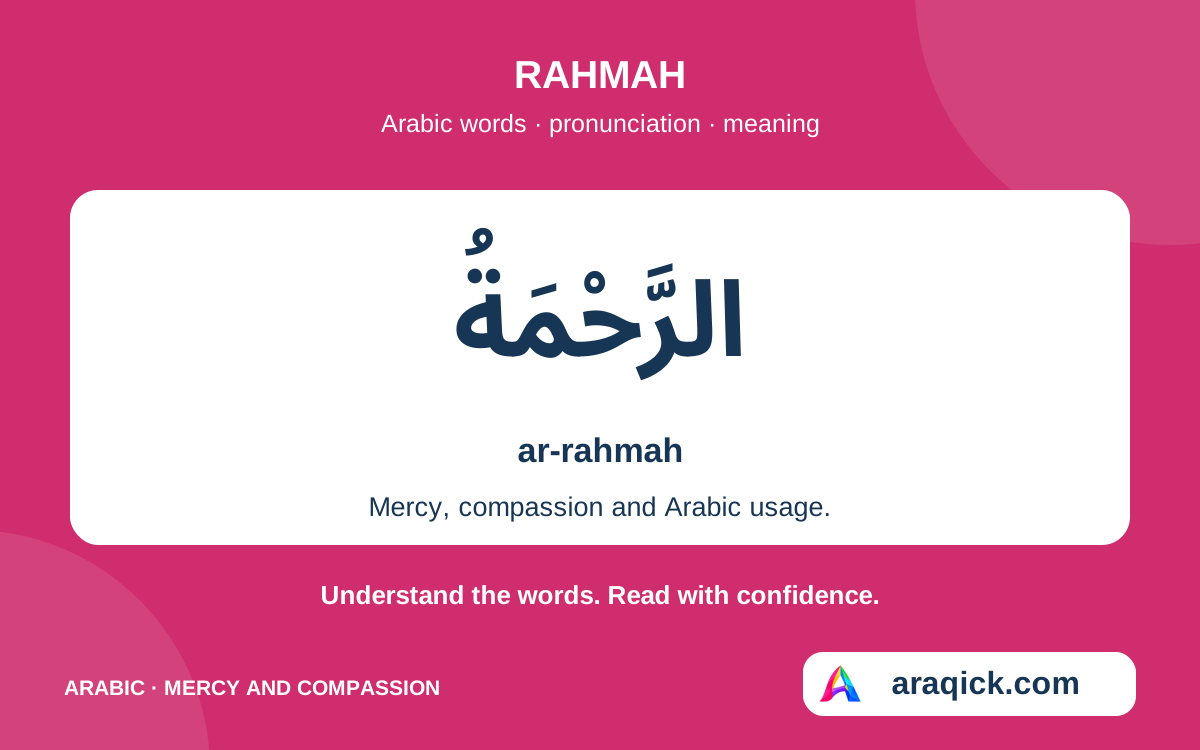
Rahmah, رَحْمَةٌ, means mercy or compassion in Arabic. In Islamic texts it can describe Allah’s mercy, while other contexts describe compassion between people. The root is ر ح م, r-h-m. Rahmah is a noun; raheem is an adjective, so they play different roles in a sentence.
01Mercy and compassion capture different contexts
English mercy can suggest kindness toward someone in difficulty or sparing someone from harm. Compassion often highlights concern for suffering. Rahmah can cover these connected ideas, but the best translation depends on what the passage describes. It should not automatically be narrowed to feeling sorry for someone or overlooking an offence.
Quran 7:156 speaks of the breadth of Allah’s mercy. Quran 30:21 places rahmah within a description of spouses and their relationship. The shared noun connects the passages, while the surrounding subject and situation remain essential. Read the complete clause before choosing between “mercy,” “compassion” or another carefully justified rendering.
02Say rahmah with a clear middle consonant
The middle letter in رَحْمَةٌ is haa, ح, a breathy throat consonant. It differs from the ordinary h sound represented by ه. Plain-letter rahmah is a helpful reading aid, but the spelling cannot demonstrate that sound by itself. Listen to a reliable Arabic reading and keep the consonants separate: r, throat h, then m.
Both a vowels are short. The usual pause reading is rahmah, while the fully pronounced indefinite nominative form is rahmatun. The last letter is taa marbutah, which sounds as t when grammatical endings are pronounced. It does not add another long aa vowel.
03Learn the noun, verb and adjective together
The verb رَحِمَ, rahima, means “he had mercy” or “he showed compassion.” Its present form is يَرْحَمُ, yarhamu. Notice the changing short vowel: rahima has i after the throat consonant, while yarhamu has a. The noun rahmah names the quality or act rather than identifying its subject.
The adjective رَحِيمٌ, raheem at a pause, means merciful or compassionate. Its ee vowel is long. Comparing rahmah with raheem shows why the consonantal root and the word pattern both matter. See our guide to Arabic roots for more examples of related words with different grammatical jobs.
04Ar-Rahman and Ar-Rahim are related divine names
The names الرَّحْمَٰنُ, Ar-Rahmaan, and الرَّحِيمُ, Ar-Raheem, occur together in Al-Fatihah. English translations often distinguish them with phrases such as Most Compassionate and Most Merciful. Their forms differ, and explanations of their particular emphases vary across scholarly discussions. One English adjective does not exhaust either name’s meaning.
Ar-Rahmaan functions as a divine name in this context. Raheem also occurs as a human description: Quran 9:128 describes the Messenger as compassionate toward believers. A shared adjective does not imply that human compassion and Allah’s mercy are identical. Read names alongside their context in our 99 Names reference.
05Recognise a description, a request and a possessive
The original learning sentence الرَّحْمَةُ خُلُقٌ جَمِيلٌ means “Mercy is a beautiful character trait.” It describes a quality. By contrast, اِرْحَمْنَا, irhamnaa, means “Have mercy on us”: it is a request, with naa meaning us. That short form occurs within the closing supplication of Quran 2:286.
In رَحْمَتِي, rahmatee, “my mercy,” the same final letter is pronounced t before the possessive suffix. Quran 7:156 uses that possessive form with Allah speaking. These changes are grammatical: the noun, its ownership and the request are related without being interchangeable sentences.
06Separate mercy, forgiveness and blessing
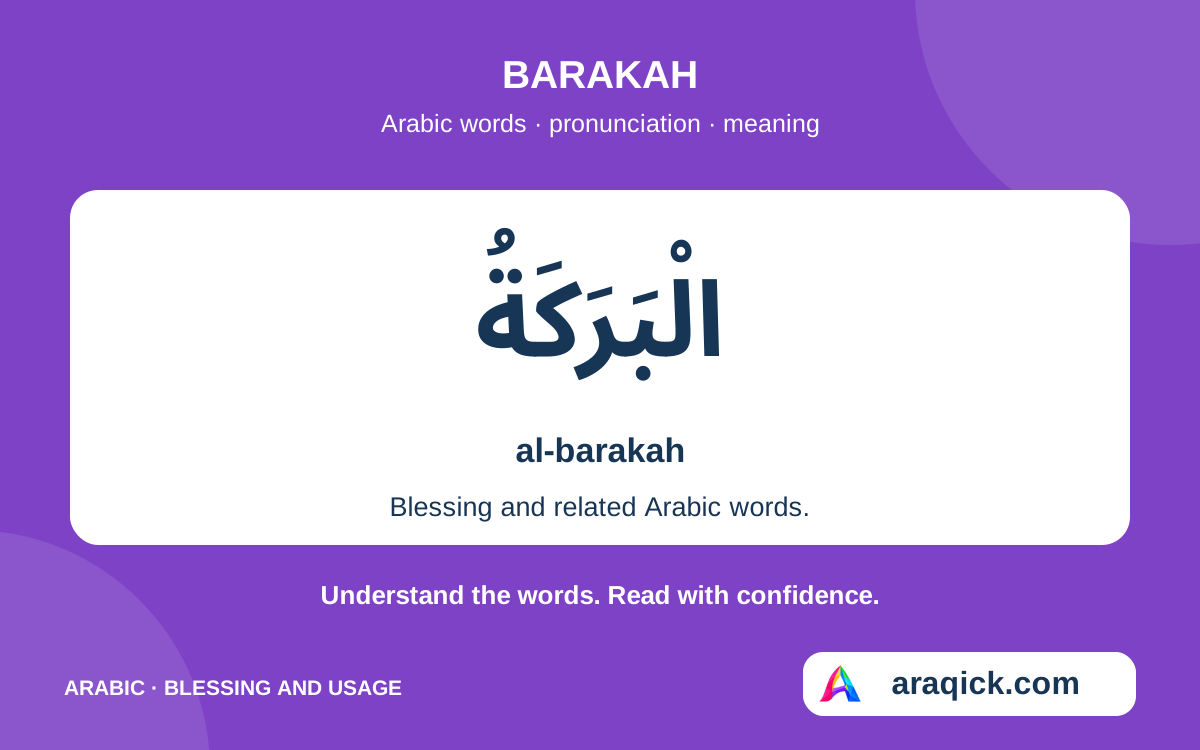
Rahmah is related in theme to forgiveness and blessing, yet these are different vocabulary items. مَغْفِرَةٌ, maghfirah, names forgiveness; بَرَكَةٌ, barakah, names blessing. A passage may connect them, but substituting one for another can erase its emphasis. Our barakah guide explains the latter word separately.
When making a vocabulary note, record three things: the exact Arabic form, its role in the sentence and the person showing or receiving mercy. Add one short example rather than a long list of English synonyms. This makes it easier to recognise rahmah when its ending changes in connected reading.
What to remember
- Rahmah is a noun meaning mercy or compassion; context guides translation.
- Rahima and yarhamu are verbs; raheem is an adjective with a long ee.
- Taa marbutah is heard as t in rahmatun and before possessive suffixes.
Your reference shelf
Open a guide whenever you need it.
Mercy: related forms and rolesThe table distinguishes pause readings from grammatical forms where necessary.
| Arabic | Plain-letter reading | Role and meaning |
|---|---|---|
| رَحْمَةٌ | rahmah; connected nominative rahmatun | Noun: mercy or compassion |
| رَحِمَ | rahima | Verb: he had mercy / showed compassion |
| يَرْحَمُ | yarhamu | Verb: he has mercy / shows compassion |
| رَحِيمٌ | raheem | Adjective: merciful or compassionate |
| الرَّحْمَٰنُ | Ar-Rahmaan | Divine name in Quranic usage |
| الرَّحِيمُ | Ar-Raheem | Divine name in Al-Fatihah |
| اِرْحَمْنَا | irhamnaa | Request: have mercy on us |
| رَحْمَتِي | rahmatee | Possessive: my mercy |
Context and neighbouring conceptsPrimary passages show distinct uses; the noun glossary prevents common substitutions.
| Word or context | Meaning to recognise | Reference or distinction |
|---|---|---|
| Rahmah in Quran 7:156 | Allah’s mercy | The subject determines whose mercy is described |
| Rahmah in Quran 30:21 | Mercy or compassion between spouses | Human relationship within the verse |
| Raheem in Quran 9:128 | Compassionate toward believers | Description of the Messenger |
| مَغْفِرَةٌ | Forgiveness | Related theme, different noun |
| بَرَكَةٌ | Blessing | Related theme, different noun |
Sources & further learning
References for the language explanations and learning guidance.