A returning customer expects the old family shop name to carry the daughter's approval after a sale.
01Read the Arabic story
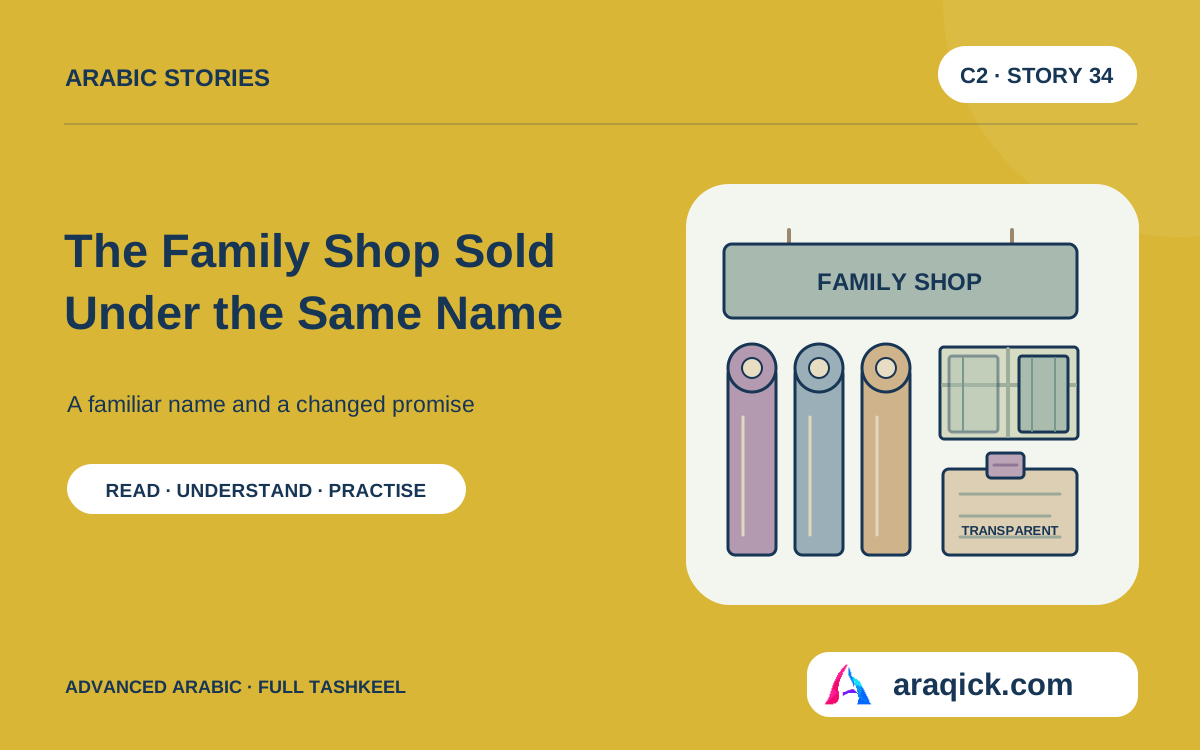
مَتْجَرُ الْأُسْرَةِ الَّذِي بِيعَ وَبَقِيَ اسْمُهُ
بَاعَتْ أَمَلُ مَتْجَرَ أُسْرَتِهَا لِفَادِي، وَبَقِيَتْ فَوْقَ الْبَابِ لَافِتَةُ «أَقْمِشَةُ مَرْيَمَ». كَانَتْ أُمُّهَا تَقُصُّ الْقُمَاشَ تَحْتَ هَذَا الِاسْمِ، ثُمَّ تُعِيدُ الْمِقَصَّ إِلَى الْخُطَّافِ الْمُثَبَّتِ خَلْفَ الْمُنْضَدَةِ. وَافَقَتْ أَمَلُ عَلَى بَقَائِهِ، فَالدُّكَّانُ مَعْرُوفٌ بِهِ فِي الْحَيِّ. وَصَارَتْ تَحْضُرُ صَبَاحَ كُلِّ ثُلَاثَاءٍ لِتُسَاعِدَ الزَّبَائِنَ؛ أَمَّا اخْتِيَارُ الْبِضَاعَةِ فَصَارَ مِنْ عَمَلِ فَادِي.
دَخَلَتْ زَبُونَةٌ قَدِيمَةٌ تَطْلُبُ قُمَاشًا لِسِتَارَةِ غُرْفَةِ ابْنِهَا، الَّذِي يَنَامُ نَهَارًا. قَالَتْ إِنَّهَا تُرِيدُ مَا اشْتَرَتْهُ قَبْلَ عَامٍ. أَشَارَ فَادِي إِلَى لَفَّةٍ أَخَفَّ وَأَرْخَصَ، وَأَعْجَبَهَا اللَّوْنُ. وَحِينَ سَأَلَتْ أَمَلَ: «هَذَا مِنِ اخْتِيَارِكِ، أَلَيْسَ كَذَلِكَ؟»، رَأَتْ أَمَلُ أَنَّ صَمْتَهَا سَيَجْعَلُ اللَّافِتَةَ تُجِيبُ عَنْهَا. قَالَتْ: «اِخْتَارَهُ فَادِي. لِنَرَهُ قُرْبَ النَّافِذَةِ».
فَرَدَتْ عَيِّنَةً عَلَى الزُّجَاجِ، فَظَهَرَتْ وَرَاءَهَا حَافَّةُ الشُّرْفَةِ. أَخْفَى الْقُمَاشُ الْقَدِيمُ الَّذِي أَخْرَجَتْهُ مِنَ الدُّرْجِ تِلْكَ الْحَافَّةَ. قَالَ فَادِي إِنَّ الْجَدِيدَ يُطْلَبُ كَثِيرًا لِزِينَةِ النَّوَافِذِ، وَإِنَّهُ لَمْ يَعْرِضْهُ بِوَصْفِهِ عَازِلًا لِلضَّوْءِ. كَانَ قَوْلُهُ صَحِيحًا؛ وَكَانَتْ أَمَلُ قَدْ سَمِعَتِ الزَّبُونَةَ تَذْكُرُ نَوْمَ ابْنِهَا، بَيْنَمَا كَانَ هُوَ يُجِيبُ عَنْ سِعْرِ الْمَتْرِ.
طَلَبَتِ الزَّبُونَةُ عَيِّنَةً أَكْثَفَ، وَلَمْ تَشْتَرِ شَيْئًا ذَلِكَ الصَّبَاحَ. بَعْدَ خُرُوجِهَا، اقْتَرَحَتْ أَمَلُ إِضَافَةَ «بِإِدَارَةِ فَادِي» تَحْتَ الِاسْمِ الْقَدِيمِ. سَأَلَهَا إِنْ كَانَ ذَلِكَ سَيُوَضِّحُ مَا يَمْنَعُ الضَّوْءَ. أَجَابَتْ بِالنَّفْيِ. فَكَتَبَ عَلَى بِطَاقَةِ اللَّفَّةِ: «شَفَّافٌ»، وَوَضَعَ مَشْبَكًا قُرْبَ النَّافِذَةِ لِتَجْرِبَةِ الْعَيِّنَاتِ. ثُمَّ طَلَبَ مِنْ أَمَلَ أَنْ تُرَاجِعَ مَعَهُ وَصْفَ الْقُمَاشِ الْآتِي.
سَاعَدَتْهُ حَتَّى الظُّهْرِ، وَلَمْ تُضِفْ عِبَارَةَ الْإِدَارَةِ إِلَى اللَّافِتَةِ. كَتَبَتْ فِي دَفْتَرِهَا: «طَلَبُ عَيِّنَةٍ لِمَتْجَرِ أَقْمِشَةِ مَرْيَمَ»، ثُمَّ تَوَقَّفَتْ عِنْدَ كَلِمَةِ «لِمَتْجَرِ». كَانَتْ تَكْتُبُ سَابِقًا «لِمَتْجَرِنَا». أَغْلَقَتِ الدَّفْتَرَ وَحَمَلَتْ حَقِيبَتَهَا. فَادِي يَخْتَارُ الْبِضَاعَةَ الْآنَ، وَهِيَ تَسْتَطِيعُ أَنْ تَقْتَرِحَ عَيِّنَةً؛ أَمَّا اسْمُ أُمِّهَا فَبَقِيَ أَكْبَرَ مِنَ الْوَرَقَةِ الْمُثَبَّتَةِ عَلَى اللَّفَّةِ.
Show English translationHide English translation
Amal sold her family's shop to Fadi, and the sign 'Maryam Fabrics' remained above the door. Her mother used to cut fabric under that name, then return the scissors to the hook fixed behind the counter. Amal agreed to keep it, since the shop was known by it in the neighbourhood. She now came every Tuesday morning to help customers; choosing the stock had become Fadi's responsibility.
A longtime customer came in asking for fabric for a curtain in her son's room; he slept during the day. She said she wanted what she had bought a year earlier. Fadi pointed to a lighter, cheaper roll, and she liked the colour. When she asked Amal, 'This is your choice, isn't it?', Amal saw that her silence would let the sign answer for her. She said, 'Fadi chose it. Let's see it near the window.'
She spread a sample against the glass, and the edge of the balcony showed through. The old fabric she took from the drawer hid that edge. Fadi said the new fabric was frequently requested for window decoration and that he had not offered it as light-blocking. His statement was true. Amal had heard the customer mention her son's sleep while he was answering a question about the price per metre.
The customer asked for a denser sample and bought nothing that morning. After she left, Amal proposed adding 'Managed by Fadi' below the old name. He asked her whether that would explain what blocked the light. She answered no. He wrote 'Transparent' on the roll's card and placed a clip near the window for trying samples. Then he asked Amal to review the description of the incoming fabric with him.
She helped him until noon and did not add the management line to the sign. In her notebook she wrote, 'Sample request for the Maryam Fabrics shop,' then paused at 'for the shop.' Previously she had written 'for our shop.' She closed the notebook and took her bag. Fadi chose the stock now, and she could suggest a sample; her mother's name remained larger than the piece of paper attached to the roll.
02Useful words from the story
| Arabic in the story | Meaning here |
|---|---|
| اللَّافِتَةَ | the shop sign |
| الْمِقَصَّ | the scissors |
| الْبِضَاعَةِ | the stock |
| لَفَّةٍ | a roll of fabric |
| عَيِّنَةً | a sample |
| عَازِلًا لِلضَّوْءِ | light-blocking |
| أَكْثَفَ | denser |
| شَفَّافٌ | transparent |
| مَشْبَكًا | a clip |
| لِمَتْجَرِنَا | for our shop |
03Check your understanding
Choose one answer per question. Track voices, omissions and competing accounts. Choose the reading best supported by the Arabic text.
What to remember
- The name encourages an assumption that Amal corrects; choosing stock and advising customers have become different roles.
- The window trial distinguishes suitability from price, while the notebook wording marks an unresolved loss of belonging.
Explore the Arabic in this story
Related grammar and vocabularyOpen Araqick guides connected to this story.
Arabic Relative Pronouns: Joining Ideas with Alladhi and Allati
الْقُمَاشُ الْقَدِيمُ الَّذِي أَخْرَجَتْهُ
Follow alladhi with a definite masculine singular noun; hu in akhrajathu links the clause back to the old fabric.
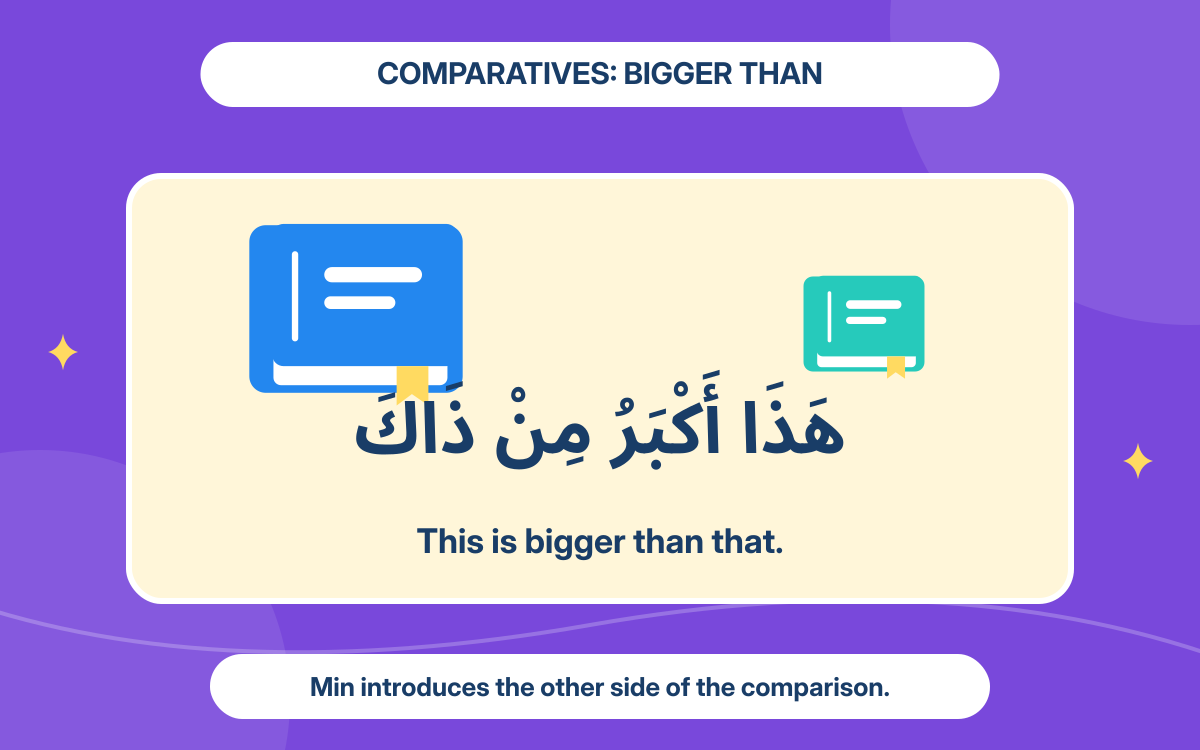
Arabic Comparatives: Bigger Than and Better Than
أَكْبَرَ مِنَ الْوَرَقَةِ
Read min as than in this comparison. Its standard is genitive; the comparison word's case follows its role in the sentence.