

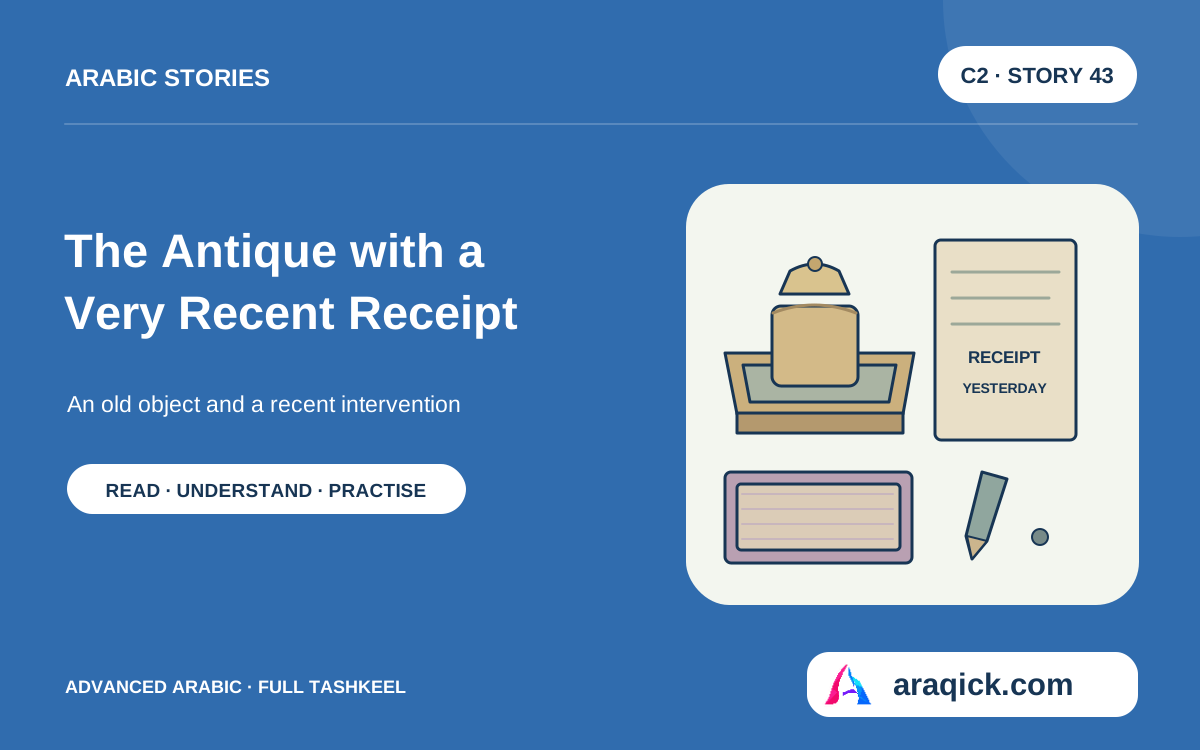
A fresh receipt unsettles a buyer's confident account of an old-looking inkstand.
01Read the Arabic story
التُّحْفَةُ ذَاتُ الْإِيصَالِ الْحَدِيثِ جِدًّا
اِشْتَرَيْتُ مَحْبَرَةً نُحَاسِيَّةً مِنْ دُكَّانٍ صَغِيرٍ، وَحَمَلْتُهَا إِلَى الْبَيْتِ كَأَنَّنِي عُدْتُ بِزَمَنٍ آخَرَ. كَانَ غِطَاؤُهَا ثَقِيلًا، وَكَانَتِ الْخُدُوشُ أَجْمَلَ مِنْ أَيِّ زِينَةٍ مَلْسَاءَ. قَبْلَ أَنْ أَضَعَهَا عَلَى مَكْتَبِي، وَصَفْتُ لِأُخْتِي الْحِرْفَةَ الَّتِي ظَهَرَتْ فِي تَفَاصِيلِهَا. تَكَلَّمْتُ طَوِيلًا عَنِ الْقِطْعَةِ، وَقَلِيلًا عَنِ الْبَائِعِ. وَرَفَعْتُ الْغِطَاءَ لِأُرِيَهَا كَيْفَ يَسْتَقِرُّ فِي الْكَفِّ.
وَقَعَ الْإِيصَالُ مِنَ الْغِطَاءِ حِينَ فَتَحَتْهُ أُخْتِي. قَرَأَتْ تَارِيخَ الْأَمْسِ، ثُمَّ قَالَتْ: «هَذِهِ عَتِيقَةٌ إِذَنْ؟» وَضَعَتِ الْوَرَقَةَ بِجَانِبِ الْمَحْبَرَةِ كَأَنَّهَا وَضَعَتْ سُؤَالًا لَهُ وَزْنٌ. أَجَبْتُ أَنَّ الْإِيصَالَ يُؤَرِّخُ لِلْبَيْعِ، لَا لِلصُّنْعِ. كَانَ جَوَابِي صَحِيحًا، لَكِنَّ نَبْرَتِي دَافَعَتْ عَنْ خِبْرَتِي قَبْلَ أَنْ تَفْحَصَ الْمَحْبَرَةَ. بَدَتْ ضَحْكَتُهَا أَخَفَّ مِنْ جَوَابِي.
عُدْتُ إِلَى الدُّكَّانِ وَسَأَلْتُ عَنِ الْعُمْرِ الَّذِي لَمْ أَسْأَلْ عَنْهُ أَمْسِ. قَالَ الْبَائِعُ إِنَّ أَبَاهُ كَانَ يَسْتَعْمِلُهَا، وَإِنَّهُ اسْتَبْدَلَ الْبِطَانَةَ الْأُسْبُوعَ الْمَاضِيَ. أَرَانِي الْقُمَاشَ النَّظِيفَ، ثُمَّ سَكَتَ. وَخَلْفَهُ وَقَفَ زَبُونٌ يُمْسِكُ كِيسًا مِنَ الْوَرَقِ. لَمْ يَكُنْ عِنْدَ الْبَائِعِ تَارِيخٌ لِصُنْعِهَا، وَلَمْ يَعِدْنِي بِوَاحِدٍ؛ كُنْتُ أَنَا الَّذِي أَضَفْتُ إِلَى كَلَامِهِ مَا أُحِبُّهُ.
فِي الْبَيْتِ، رَأَتْ أُخْتِي الْبِطَانَةَ الْجَدِيدَةَ دَلِيلًا آخَرَ عَلَى حَدَاثَةِ الْقِطْعَةِ. قُلْتُ: «لَيْسَ الْقُمَاشُ قَدِيمًا»، وَتَرَكْتُ الْجُمْلَةَ تَنْتَهِي هُنَاكَ. أَدَرْتُ الْمَحْبَرَةَ بَيْنَ يَدَيَّ، وَلَمْ أَجِدْ عَلَيْهَا تَارِيخًا. لَمْ يَكُنْ تَجْدِيدُ الْبِطَانَةِ شَهَادَةً بِعُمْرِ النُّحَاسِ، كَمَا لَمْ يَكُنِ الْإِيصَالُ شَهَادَةً بِهِ. أَرَدْتُ أَنْ أَسْتَرِدَّ حَقِّي فِي الْإِعْجَابِ، دُونَ أَنْ أَجْعَلَهُ بُرْهَانًا.
مَلَأْتُ الْمَحْبَرَةَ بِقَلِيلٍ مِنَ الْحِبْرِ، فَتَرَكَ الْقَلَمُ أَثَرًا أَزْرَقَ عَلَى إِصْبَعِي. أَعَدْتُ الْإِيصَالَ إِلَى دُرْجٍ، وَأَلْغَيْتُ الْبِطَاقَةَ الَّتِي كَتَبْتُ عَلَيْهَا «تُحْفَةٌ مِنْ قَرْنٍ بَعِيدٍ». بَقِيَ الْغِطَاءُ ثَقِيلًا، وَبَقِيَ عُمْرُهَا غَيْرَ مَعْرُوفٍ لِي. سَأَلَتْنِي أُخْتِي إِنْ كُنْتُ رَاضِيًا، فَوَقَّعْتُ بِالْقَلَمِ اسْمِي وَقُلْتُ: «عَنِ الْكِتَابَةِ، نَعَمْ»، دُونَ مُحَاضَرَةٍ.
Show English translationHide English translation
I bought a brass inkstand from a small shop and carried it home as though I had returned with another era. Its lid was heavy, and the scratches were lovelier than any smooth ornament. Before putting it on my desk, I described to my sister the craftsmanship visible in its details. I talked at length about the piece, and little about the seller. I lifted the lid to show her how it rested in the palm.
The receipt fell out of the lid when my sister opened it. She read yesterday's date, then said, “So this is an antique?” She placed the paper beside the inkstand as if she had set down a question with some weight to it. I answered that the receipt dated the sale, not the manufacture. My answer was correct, but my tone defended my expertise before examining the inkstand. Her laughter seemed lighter than my answer.
I returned to the shop and asked about the age I had not asked about yesterday. The seller said that his father had used it and that he had replaced the lining last week. He showed me the clean fabric, then fell silent. Behind him stood a customer holding a paper bag. The seller had no date for its manufacture and promised me none; I was the one who had added what I liked to his words.
At home, my sister saw the new lining as further evidence that the piece was recent. I said, “The fabric is not old,” and let the sentence end there. I turned the inkstand in my hands and found no date on it. Renewing the lining was no testimony to the age of the brass, just as the receipt was none. I wanted to reclaim my right to admire it without making that admiration proof.
I filled the inkstand with a little ink, and the pen left a blue mark on my finger. I returned the receipt to a drawer and discarded the card on which I had written “An antique from a distant century.” The lid remained heavy, and its age remained unknown to me. My sister asked whether I was satisfied. I signed my name with the pen and said, “With the writing, yes,” without a lecture.
02Useful words from the story
| Arabic in the story | Meaning here |
|---|---|
| مَحْبَرَةً | an inkstand |
| نُحَاسِيَّةً | made of brass |
| الْخُدُوشُ | the scratches |
| الْإِيصَالُ | the receipt |
| يُؤَرِّخُ | records the date |
| الْبِطَانَةَ | the lining |
| الْقُمَاشَ | the fabric |
| شَهَادَةً | testimony or evidence |
| بُرْهَانًا | proof |
| الْحِبْرِ | the ink |
03Check your understanding
Choose one answer per question. Track voices, omissions and competing accounts. Choose the reading best supported by the Arabic text.
What to remember
- A transaction date does not establish a manufacturing date in this account.
- The narrator corrects his claim of age while keeping his pleasure in the object.
Explore the Arabic in this story
Related grammar and vocabularyOpen Araqick guides connected to this story.
Kana in Arabic: Was and Were
كَانَ غِطَاؤُهَا ثَقِيلًا
Track the past description: the lid remains nominative after kana, while heavy is accusative.
Arabic Relative Pronouns: Joining Ideas with Alladhi and Allati
الْبِطَاقَةَ الَّتِي كَتَبْتُ عَلَيْهَا
The feminine singular allati describes the definite card; alayha refers back to that card.





