A few well chosen Arabic phrases can help you order a drink, ask a price and keep a conversation going. Try five everyday situations below, then open the full 30 phrase reference whenever you need another expression.
01Start with a polite request
These examples use Modern Standard Arabic (MSA); local wording varies. Begin with something you can use today.
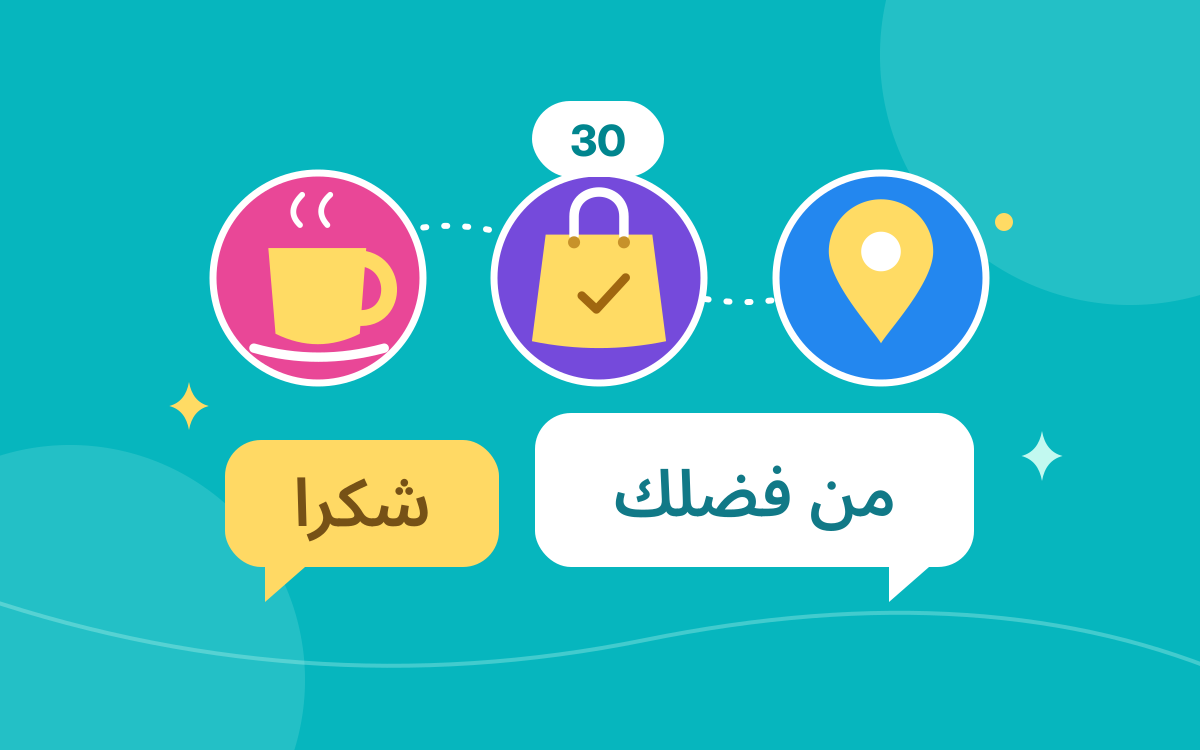
قَهْوَة، مِنْ فَضْلِكَ
qahwa min fadlika
Coffee, please. Addressing a man.
- To a woman, say مِنْ فَضْلِكِ — min fadliki.
- After receiving it, say شُكْرًا — shukran — thank you.
02Add one detail to your order
Order first, then add a preference. Short pieces are easier to recall than one long sentence.
قَهْوَة، مِنْ فَضْلِكَ. بِدُون سُكَّر.
qahwa min fadlika bidun sukkar
Coffee, please. Without sugar.
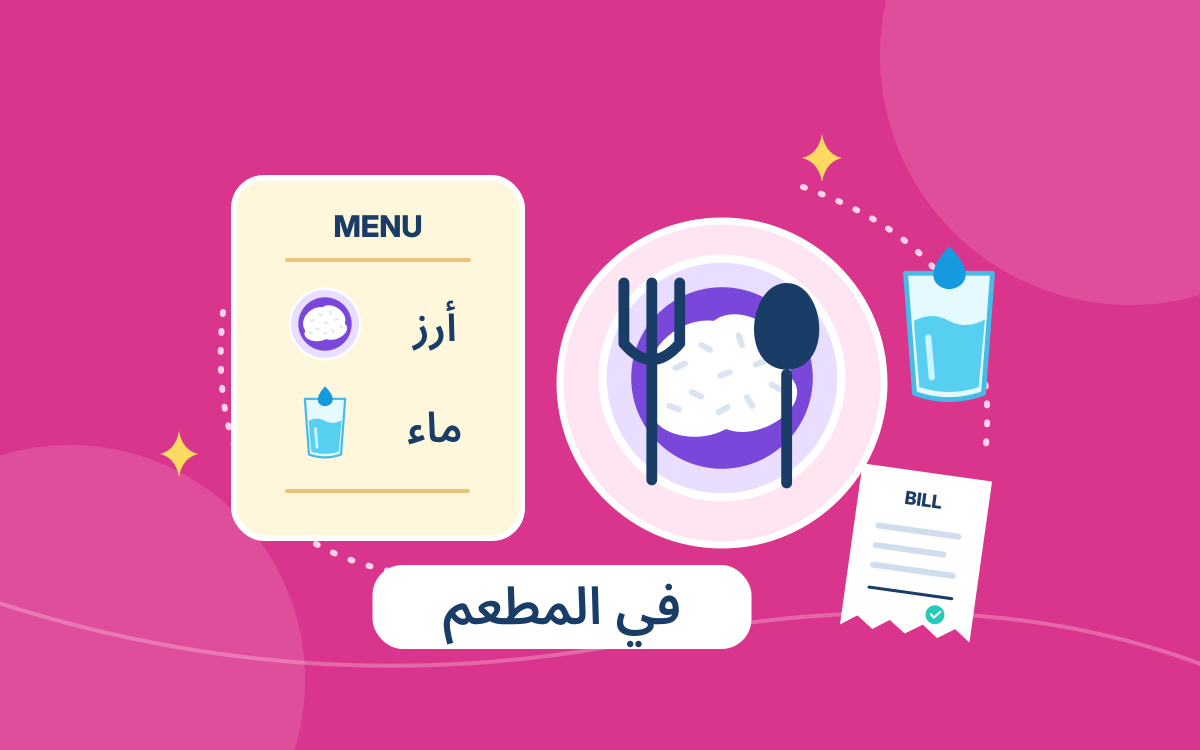
- Change the drink: مَاء — ma — water.
- Ask for the bill: الْحِسَاب، مِنْ فَضْلِكَ — alhisab min fadlika.
Picture the server bringing your drink. Which phrase belongs at the start of the visit, and which belongs at the end?
03Ask the price of one thing
بِكَمْ هَذَا؟
bikam hadha
How much is this? For a masculine noun.
- A book: كِتَاب is masculine, so use hadha.
- A bag: حَقِيبَة is feminine, so ask بِكَمْ هَذِهِ؟ — bikam hadhihi.
- Decline politely: لَا، شُكْرًا — la shukran — no, thank you.
This is grammatical gender, including for objects. If the number in the reply is unfamiliar, check the price label or ask the seller to show you the amount.
04Find a place
أَيْنَ الْمَحَطَّة؟
ayna lmahatta
Where is the station?
The useful pattern is ayna + place. Replace the station with الْحَمَّام — alhammam — the bathroom.
- عَلَى الْيَمِين — ala lyamin — on the right.
- عَلَى الْيَسَار — ala lyasar — on the left.
Pointing to a map can help you understand the answer. Practise recognising the destination and direction, then repeat the route back if you are unsure.
05Keep the conversation going
لَا أَفْهَم. بِبُطْء، مِنْ فَضْلِكَ.
la afham bibut min fadlika
I do not understand. Slowly, please. Addressing a man.
- Need a repeat? مَرَّة أُخْرَى — marra ukhra — one more time.
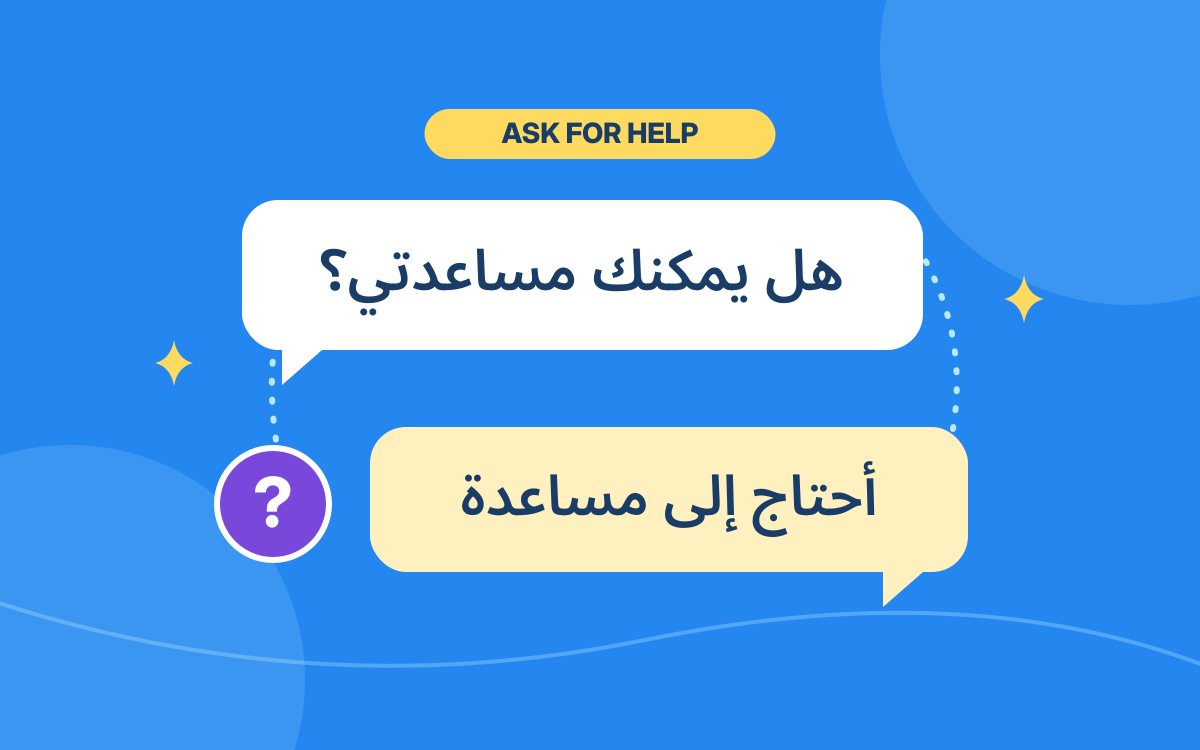
- Need help? أَحْتَاج إِلَى مُسَاعَدَة — ahtaj ila musaada — I need help.
Use plain transliteration as a reading aid: it simplifies sounds and usually leaves off grammatical endings. Listen to the Arabic when possible. Choose three phrases for your next real situation, then try them without looking.
What to remember
- Choose phrases by situation; you do not need to memorise all 30 at once.
- Match min fadlika or min fadliki to the person you address.
- Use a short request, listen to the reply, and ask for a repeat when needed.
Your reference shelf
Open a guide whenever you need it.
1–5: Open politelyOpen the full phrase list
| # | Arabic | Say it | Meaning |
|---|---|---|---|
| 1 | مَرْحَبًا | marhaban | Hello. |
| 2 | مِنْ فَضْلِكَ | min fadlika | Please. To a man; to a woman: min fadliki — مِنْ فَضْلِكِ. |
| 3 | شُكْرًا | shukran | Thank you. |
| 4 | عَفْوًا | afwan | You’re welcome / excuse me, depending on context. |
| 5 | أَنَا آسِف | ana asif | I am sorry. Male speaker; female speaker: ana asifa — أَنَا آسِفَة. |
6–10: Keep the conversation understandableOpen the full phrase list
| # | Arabic | Say it | Meaning |
|---|---|---|---|
| 6 | لَا أَفْهَم | la afham | I do not understand. |
| 7 | أَنَا أَتَعَلَّم الْعَرَبِيَّة | ana ataallam alarabiyya | I am learning Arabic. |
| 8 | مَرَّة أُخْرَى، مِنْ فَضْلِكَ | marra ukhra min fadlika | One more time, please. To a man; use min fadliki to a woman. |
| 9 | بِبُطْء، مِنْ فَضْلِكَ | bibut min fadlika | Slowly, please. To a man; use min fadliki to a woman. |
| 10 | مَا مَعْنَى هَذِهِ الْكَلِمَة؟ | ma mana hadhihi lkalima | What does this word mean? |
11–15: At a caféOpen the full phrase list
| # | Arabic | Say it | Meaning |
|---|---|---|---|
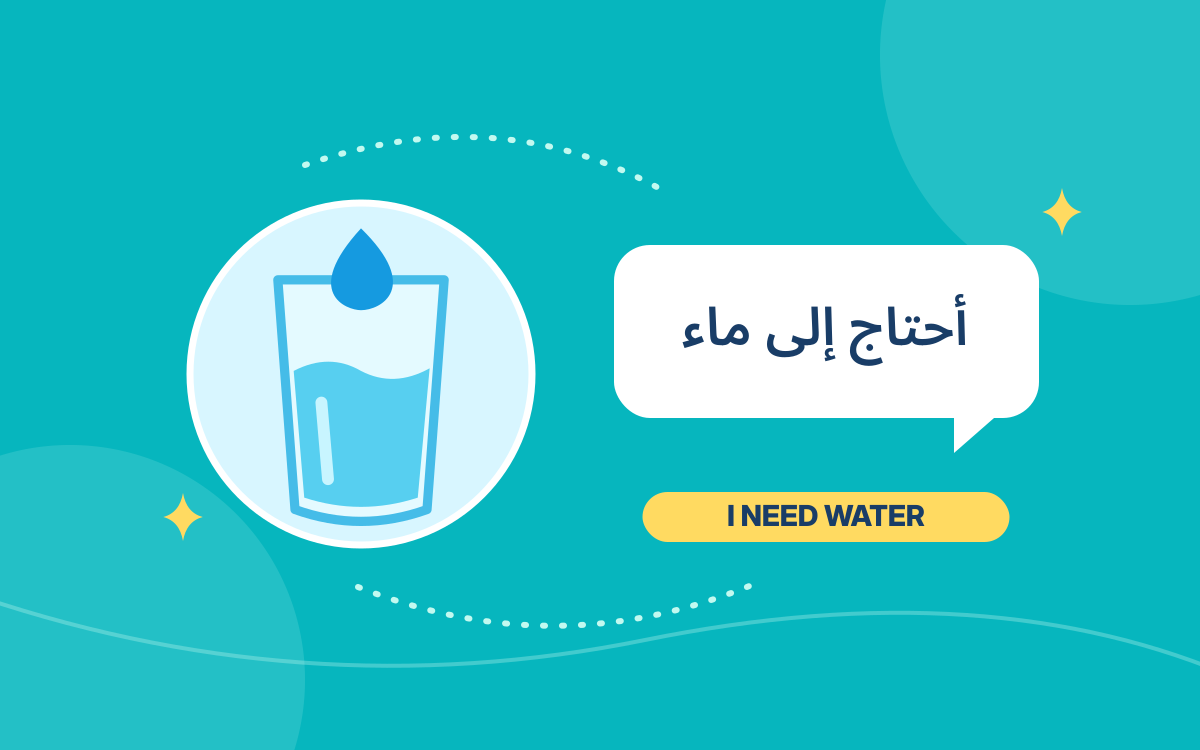
| 11 | أُرِيد مَاء | urid ma | I want water. |
| 12 | قَهْوَة، مِنْ فَضْلِكَ | qahwa min fadlika | Coffee, please. To a man; use min fadliki to a woman. |
| 13 | بِدُون سُكَّر | bidun sukkar | Without sugar. |
| 14 | هَلْ عِنْدَكُمْ شَاي؟ | hal indakum shay | Do you have tea? Addressing staff as a group. |
| 15 | الْحِسَاب، مِنْ فَضْلِكَ | alhisab min fadlika | The bill, please. To a man; use min fadliki to a woman. |
16–20: In a shopOpen the full phrase list
| # | Arabic | Say it | Meaning |
|---|---|---|---|
| 16 | بِكَمْ هَذَا؟ | bikam hadha | How much is this? For a grammatically masculine item. |
| 17 | بِكَمْ هَذِهِ؟ | bikam hadhihi | How much is this? For a grammatically feminine item. |
| 18 | هَذَا غَالٍ | hadha ghal | This is expensive. For a grammatically masculine item. |
| 19 | أُرِيد هَذَا | urid hadha | I want this. For a grammatically masculine item. |
| 20 | لَا، شُكْرًا | la shukran | No, thank you. |
21–25: Find your wayOpen the full phrase list
| # | Arabic | Say it | Meaning |
|---|---|---|---|
| 21 | أَيْنَ الْمَحَطَّة؟ | ayna lmahatta | Where is the station? |
| 22 | أَيْنَ الْحَمَّام؟ | ayna lhammam | Where is the bathroom? |
| 23 | أُرِيد أَنْ أَذْهَب إِلَى الْفُنْدُق | urid an adhhab ila lfunduq | I want to go to the hotel. |
| 24 | هَلْ هُوَ قَرِيب؟ | hal huwa qarib | Is it near? Referring to a grammatically masculine place, such as a hotel. |
| 25 | أَعَلَى الْيَمِين أَمْ عَلَى الْيَسَار؟ | aala lyamin am ala lyasar | On the right or on the left? |
26–30: Ask for help and finishOpen the full phrase list
| # | Arabic | Say it | Meaning |
|---|---|---|---|
| 26 | أَحْتَاج إِلَى مُسَاعَدَة | ahtaj ila musaada | I need help. |
| 27 | أَيْنَ هَاتِفِي؟ | ayna hatifi | Where is my phone? |
| 28 | لَا أَعْرِف | la arif | I do not know. |
| 29 | لَحْظَة، مِنْ فَضْلِكَ | lahza min fadlika | One moment, please. To a man; use min fadliki to a woman. |
| 30 | مَعَ السَّلَامَة | maa ssalama | Goodbye. |
Sources & further learning
References for the language explanations and learning guidance.