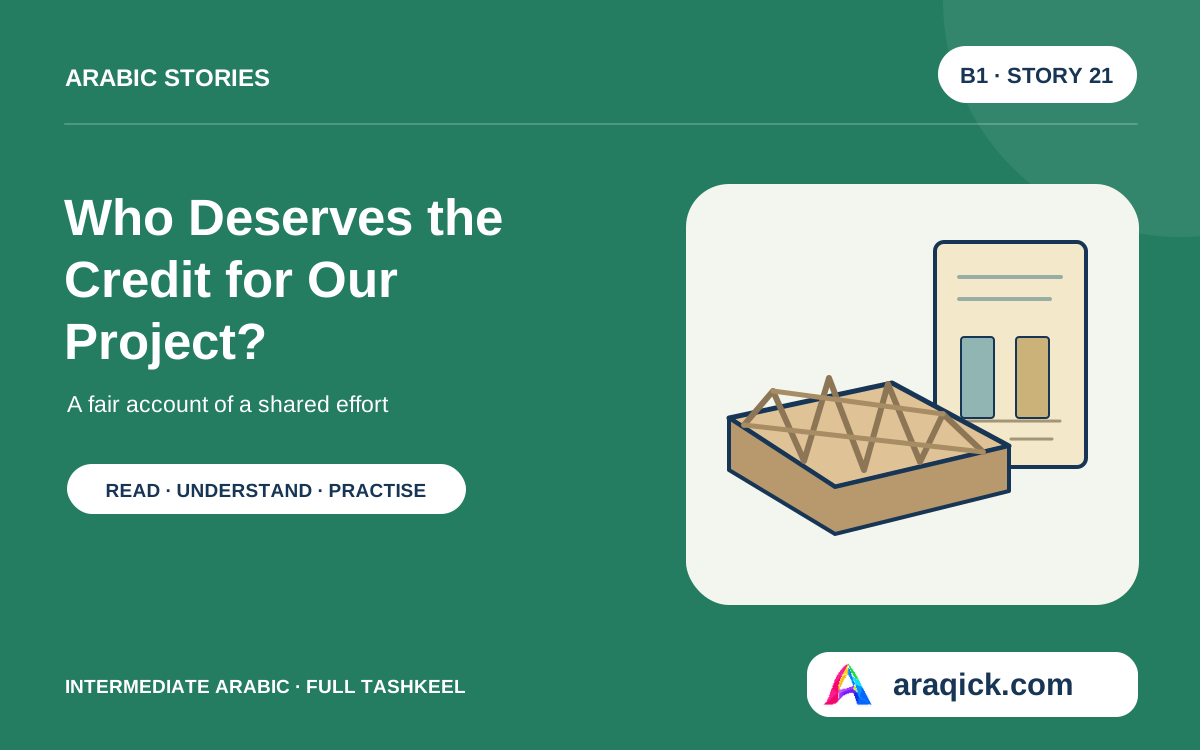
A school exhibition sign names only Samer, although Murad helped develop the project. The classmates must decide how to show each person’s work fairly.
01Read the Arabic story
لِمَنْ يَعُودُ الْفَضْلُ فِي مَشْرُوعِنَا؟
كَانَ سَامِرٌ وَمُرَادٌ يَعْمَلَانِ عَلَى مَشْرُوعٍ لِدَرْسِ الْعُلُومِ. بَنَى سَامِرٌ جِسْرًا صَغِيرًا مِنَ الْوَرَقِ الْمُقَوَّى، بَيْنَمَا اخْتَبَرَ مُرَادٌ قُوَّتَهُ بِأَوْزَانٍ مُخْتَلِفَةٍ. سَجَّلَ النَّتَائِجَ فِي جَدْوَلٍ، ثُمَّ رَسَمَ لَهَا رَسْمًا بَيَانِيًّا. بَعْدَ أَوَّلِ اخْتِبَارٍ، قَرَّرَا تَقْوِيَةَ قَوَاعِدِ الْجِسْرِ. اسْتَغْرَقَ الْعَمَلُ أُسْبُوعًا، وَاخْتَارَ الْمُعَلِّمُ مَشْرُوعَهُمَا لِمَعْرِضِ الْمَدْرَسَةِ.
طَلَبَ الْمُعَلِّمُ إِعْدَادَ لَافِتَةٍ قَبْلَ الْمَعْرِضِ. كَانَ مُرَادٌ فِي الْمَكْتَبَةِ، فَكَتَبَ سَامِرٌ عُنْوَانَ الْمَشْرُوعِ وَاسْمَهُ تَحْتَهُ لِأَنَّهُ سَيُقَدِّمُ الشَّرْحَ. عِنْدَمَا عَادَ مُرَادٌ، قَرَأَ اللَّافِتَةَ وَوَضَعَ دَفْتَرَهُ عَلَى الطَّاوِلَةِ بِصَمْتٍ. سَأَلَ: «هَلْ سَيَعْرِفُ الزُّوَّارُ أَنَّنَا عَمِلْنَا مَعًا؟» نَظَرَ سَامِرٌ إِلَى اللَّافِتَةِ، وَفَهِمَ أَنَّ اسْمَهُ الْوَحِيدَ يُعْطِي فِكْرَةً غَيْرَ صَحِيحَةٍ.
قَالَ سَامِرٌ: «كَتَبْتُ اسْمِي لِأَنَّنِي سَأَتَكَلَّمُ، لَا لِأَنَّنِي فَعَلْتُ كُلَّ شَيْءٍ». أَجَابَ مُرَادٌ: «أَفْهَمُ ذَلِكَ، لَكِنَّ النَّاسَ لَنْ يَعْرِفُوا هَذَا السَّبَبَ». جَلَسَا أَمَامَ الْجِسْرِ وَرَاجَعَا خُطُوَاتِ الْعَمَلِ. اقْتَرَحَ سَامِرٌ كِتَابَةَ اسْمَيْهِمَا بِالْحَجْمِ نَفْسِهِ. وَاقْتَرَحَ مُرَادٌ إِضَافَةَ جُمْلَةٍ تَشْرَحُ مُسَاهَمَةَ كُلِّ وَاحِدٍ، فَوَافَقَ صَدِيقُهُ عَلَى الْفِكْرَةِ.
كَتَبَا أَنَّ سَامِرًا بَنَى النَّمُوذَجَ، وَأَنَّ مُرَادًا أَعَدَّ الِاخْتِبَارَاتِ وَالرَّسْمَ الْبَيَانِيَّ، وَأَنَّهُمَا عَدَّلَا التَّصْمِيمَ مَعًا. لَمْ يَحْتَاجَا إِلَى حِسَابِ عَدَدِ الدَّقَائِقِ الَّتِي عَمِلَ فِيهَا كُلٌّ مِنْهُمَا. قَسَّمَا الشَّرْحَ أَيْضًا إِلَى جُزْأَيْنِ. كَانَ مُرَادٌ قَلِقًا مِنَ الْحَدِيثِ أَمَامَ الزُّوَّارِ، فَتَدَرَّبَ مَعَ سَامِرٍ مَرَّتَيْنِ بَعْدَ الدَّرْسِ.
فِي الْمَعْرِضِ، شَرَحَ سَامِرٌ طَرِيقَةَ الْبِنَاءِ، ثُمَّ تَقَدَّمَ مُرَادٌ لِيَشْرَحَ النَّتَائِجَ. سَأَلَ أَحَدُ الزُّوَّارِ سَامِرًا عَنْ أَثْقَلِ وَزْنٍ حَمَلَهُ الْجِسْرُ. الْتَفَتَ سَامِرٌ إِلَى صَدِيقِهِ وَقَالَ: «مُرَادٌ أَدْرَى بِهَذِهِ التَّفَاصِيلِ». فَتَحَ مُرَادٌ دَفْتَرَهُ وَأَجَابَ. بَقِيَتِ اللَّافِتَةُ الْجَدِيدَةُ بَيْنَهُمَا عَلَى الطَّاوِلَةِ طَوَالَ الْيَوْمِ.
Show English translationHide English translation
Samer and Murad were working on a project for science class. Samer built a small bridge from cardboard, while Murad tested its strength with different weights. He recorded the results in a table, then made a graph of them. After the first test, they decided to strengthen the bridge’s supports. The work took a week, and the teacher selected their project for the school exhibition.
The teacher asked them to prepare a sign before the exhibition. Murad was in the library, so Samer wrote the project title with his own name underneath because he would give the explanation. When Murad returned, he read the sign and silently put his notebook on the table. He asked, “Will the visitors know that we worked together?” Samer looked at the sign and understood that his name alone gave the wrong impression.
Samer said, “I wrote my name because I will be speaking, not because I did everything.” Murad replied, “I understand that, but people will not know that reason.” They sat in front of the bridge and reviewed the steps of their work. Samer suggested writing both their names in the same size. Murad suggested adding a sentence explaining each person’s contribution, and his friend agreed.
They wrote that Samer had built the model, Murad had prepared the tests and graph, and they had changed the design together. They did not need to count the minutes each of them had worked. They also divided the explanation into two parts. Murad was anxious about speaking in front of visitors, so he practised with Samer twice after class.
At the exhibition, Samer explained the building method, then Murad stepped forward to explain the results. A visitor asked Samer about the heaviest weight the bridge had carried. Samer turned to his friend and said, “Murad knows these details better.” Murad opened his notebook and answered. The new sign remained between them on the table throughout the day.
02Useful words from the story
| Arabic in the story | Meaning here |
|---|---|
| الْوَرَقِ الْمُقَوَّى | cardboard |
| بِأَوْزَانٍ مُخْتَلِفَةٍ | with different weights |
| رَسْمًا بَيَانِيًّا | a graph |
| تَقْوِيَةَ | strengthening |
| قَوَاعِدِ الْجِسْرِ | the bridge’s supports |
| بِصَمْتٍ | silently |
| مُسَاهَمَةَ | the contribution of |
| بِالْحَجْمِ نَفْسِهِ | in the same size |
| عَدَّلَا التَّصْمِيمَ | the two of them changed the design |
| أَدْرَى | more knowledgeable |
03Check your understanding
Choose one answer for each question. Look back at the Arabic story when you need a clue. Open the English support if you need help understanding a question.
What to remember
- A project’s visible model and the testing behind it can both deserve clear credit.
- Notice how the classmates change their sign and their presentation after discussing the misunderstanding.
Explore the Arabic in this story
Related grammar and vocabularyOpen Araqick guides connected to this story.
Kana in Arabic: Was and Were
كَانَ مُرَادٌ قَلِقًا
Use kana with an adjective to place Murad’s anxious state in the past.
Arabic Time and Place Adverbs: Before, After, In Front and Behind
بَعْدَ الدَّرْسِ
Follow the time of their extra practice with an after phrase.