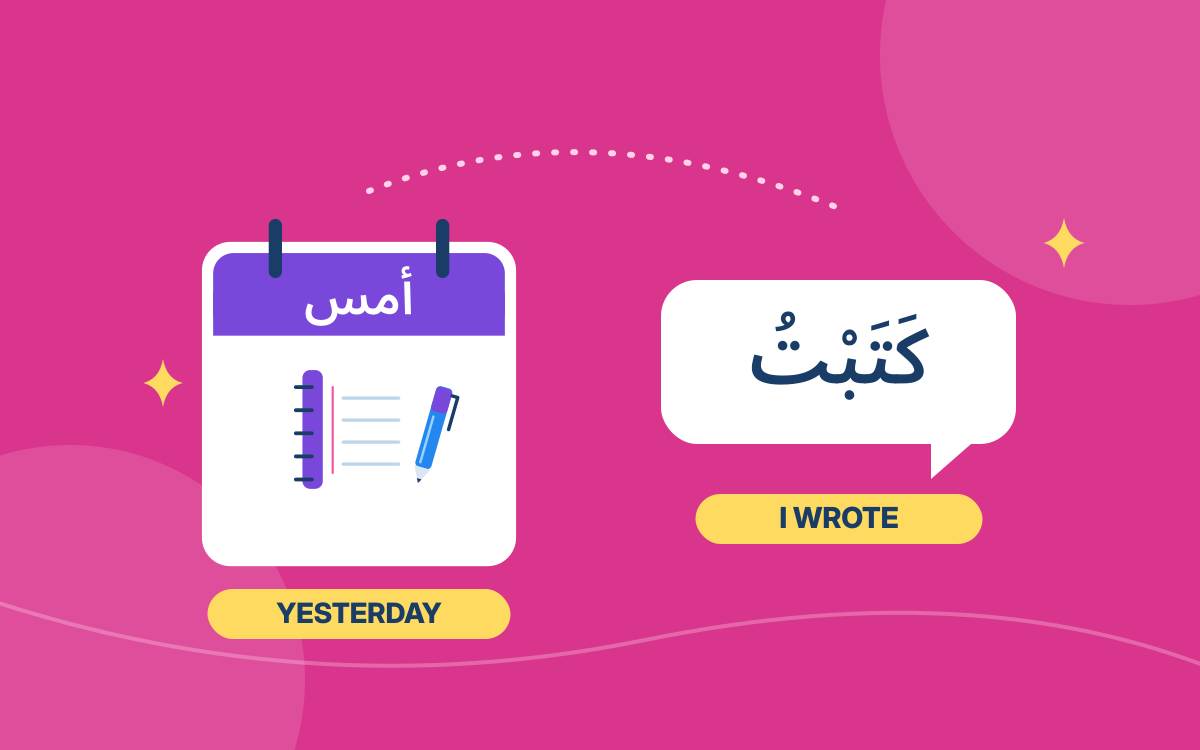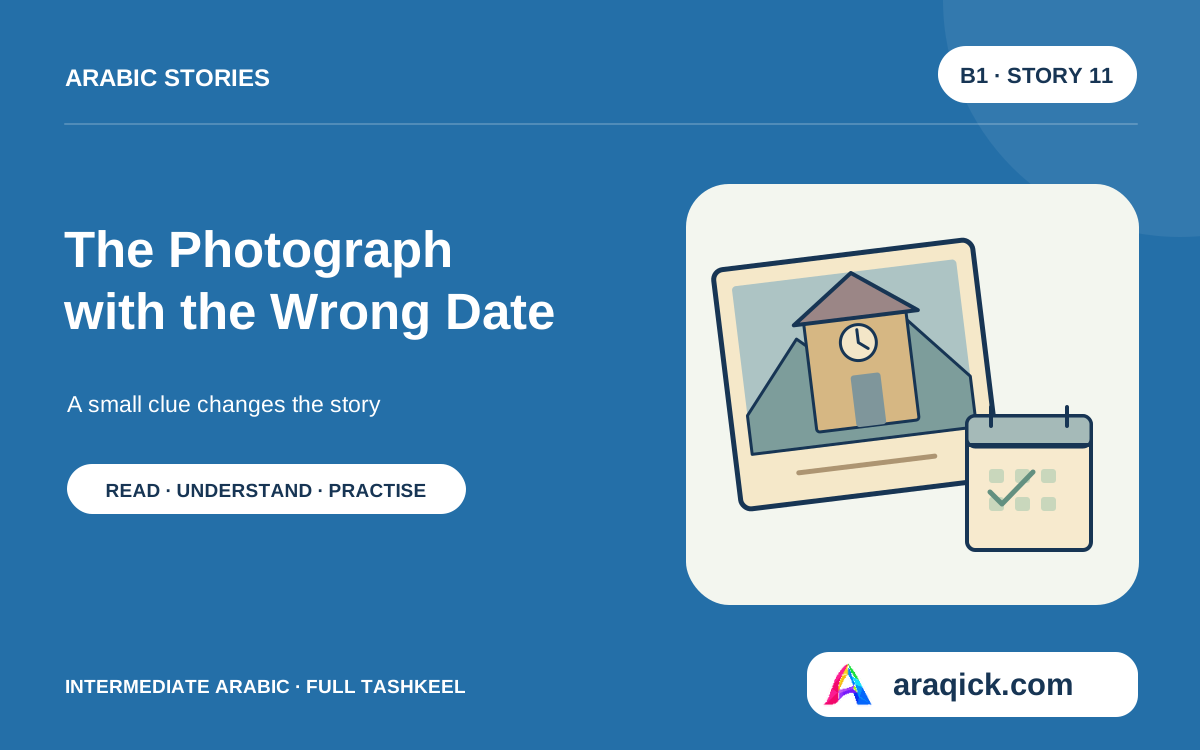
A clock tower makes Layla doubt the date beneath an old photograph. She follows the clues through the city archive to find a date she can support.
01Read the Arabic story
الصُّورَةُ ذَاتُ التَّارِيخِ الْخَاطِئِ
كَانَتْ لَيْلَى تُسَاعِدُ فِي تَرْتِيبِ صُوَرِ الْمَدِينَةِ الْقَدِيمَةِ فِي الْمَرْكَزِ الثَّقَافِيِّ. وَجَدَتْ صُورَةً لِاحْتِفَالٍ فِي السَّاحَةِ، وَتَحْتَهَا بِطَاقَةٌ تَحْمِلُ تَارِيخَ عَامِ ١٩٨٢. ظَهَرَ فِيهَا أَطْفَالٌ وَبَالُونَاتٌ وَبُرْجُ سَاعَةٍ. كَانَتِ الصُّورَةُ وَاضِحَةً، لَكِنَّ الْكِتَابَةَ عَلَى ظَهْرِهَا كَانَتْ بَاهِتَةً. أَرَادَتْ لَيْلَى إِضَافَتَهَا إِلَى مَعْرِضٍ صَغِيرٍ سَيَفْتَحُ أَبْوَابَهُ فِي الْأُسْبُوعِ التَّالِي.
نَظَرَتْ لَيْلَى إِلَى بُرْجِ السَّاعَةِ مَرَّةً أُخْرَى. تَذَكَّرَتْ أَنَّ جَدَّتَهَا حَدَّثَتْهَا عَنْ بِنَائِهِ بَعْدَ انْتِقَالِ الْعَائِلَةِ إِلَى الْمَدِينَةِ. قَالَتْ لِلْمُشْرِفِ سَمِيرٍ: «رُبَّمَا يَكُونُ التَّارِيخُ خَطَأً». لَمْ تَمْسَحِ الرَّقْمَ فَوْرًا، بَلْ وَضَعَتْ بِجَانِبِ الصُّورَةِ وَرَقَةً تَطْلُبُ مُرَاجَعَتَهُ. ثُمَّ بَحَثَتْ عَنْ مَعْلُومَاتٍ عَنِ الْبُرْجِ فِي مَلَفِّ الْمَبَانِي.
وَجَدَتْ خَبَرًا عَنْ بِنَاءِ الْبُرْجِ فِي عَامِ ٢٠٠٤، وَحَفِظَتْ نُسْخَةً مِنْهُ. إِذَنْ، لَا يُمْكِنُ أَنْ تَكُونَ الصُّورَةُ مِنْ عَامِ ١٩٨٢. لَكِنَّ ذَلِكَ لَمْ يُحَدِّدْ تَارِيخَهَا الصَّحِيحَ. كَبَّرَتْ لَيْلَى الصُّورَةَ عَلَى الشَّاشَةِ، فَقَرَأَتْ كَلِمَتَيْنِ عَلَى لَافِتَةٍ خَلْفَ الْأَطْفَالِ: «عِيدُ الْمَكْتَبَةِ». سَاعَدَتْهَا هَاتَانِ الْكَلِمَتَانِ عَلَى تَضْيِيقِ الْبَحْثِ.
فِي صَحِيفَةٍ مَحَلِّيَّةٍ صَدَرَتْ عَامَ ٢٠٠٦، وَجَدَتْ تَقْرِيرًا عَنِ احْتِفَالِ الْمَكْتَبَةِ فِي السَّاحَةِ فِي ذَلِكَ الْعَامِ. وَكَانَتْ مَعَهُ الصُّورَةُ نَفْسُهَا. تَأَكَّدَتْ مِنْ شَكْلِ الْبَالُونَاتِ وَقُبَّعَةِ طِفْلٍ فِي الْمُقَدِّمَةِ. عَرَضَتْهَا عَلَى سَمِيرٍ، فَقَارَنَ الصُّورَتَيْنِ بِعِنَايَةٍ. وَجَدَا بَعْدَ ذَلِكَ أَنَّ بِطَاقَةَ عَامِ ١٩٨٢ تَخُصُّ صُورَةً أُخْرَى فِي الْمَلَفِّ نَفْسِهِ.
كَتَبَتْ لَيْلَى بِطَاقَةً جَدِيدَةً، وَسَجَّلَتْ اسْمَ الصَّحِيفَةِ وَتَارِيخَ الْعَدَدِ فِي سِجِلِّ الصُّوَرِ. وَأَعَادَتِ الْبِطَاقَةَ الْقَدِيمَةَ إِلَى مَكَانِهَا الصَّحِيحِ. فِي يَوْمِ الْمَعْرِضِ، سَأَلَهَا زَائِرٌ كَيْفَ عَرَفَتِ التَّارِيخَ. أَرَتْهُ الْخَبَرَ، ثُمَّ أَشَارَتْ إِلَى الْبُرْجِ. قَالَتْ: «هَذَا أَثَارَ السُّؤَالَ، أَمَّا الصَّحِيفَةُ فَقَدَّمَتِ الْإِجَابَةَ».
Show English translationHide English translation
Layla was helping to organise old photographs of the city at the cultural centre. She found a photograph of a celebration in the square, with a card underneath dated 1982. It showed children, balloons and a clock tower. The photograph was clear, but the writing on its back was faded. Layla wanted to add it to a small exhibition that would open the following week.
Layla looked at the clock tower again. She remembered her grandmother telling her that it had been built after the family moved to the city. She told the supervisor, Samir, “Perhaps the date is wrong.” She did not erase the number immediately, but placed a note beside the photograph asking for it to be checked. Then she searched the buildings file for information about the tower.
She found a news report about the tower being built in 2004 and saved a copy of it. The photograph therefore could not be from 1982. But that did not establish its correct date. Layla enlarged the photograph on the screen and read two words on a banner behind the children: “Library Celebration.” Those two words helped her narrow the search.
In a local newspaper published in 2006, she found a report about the library celebration held in the square that year. The same photograph accompanied it. She checked the shapes of the balloons and a child’s hat in the foreground. She showed it to Samir, who compared the two photographs carefully. They later found that the 1982 card belonged to another photograph in the same file.
Layla wrote a new card and recorded the newspaper’s name and the issue date in the photograph register. She returned the old card to its correct place. On the day of the exhibition, a visitor asked how she had established the date. She showed him the report, then pointed to the tower. She said, “This raised the question, while the newspaper provided the answer.”
02Useful words from the story
| Arabic in the story | Meaning here |
|---|---|
| بُرْجُ سَاعَةٍ | a clock tower |
| بَاهِتَةً | faded |
| مُرَاجَعَتَهُ | checking it |
| مَلَفِّ الْمَبَانِي | the buildings file |
| كَبَّرَتْ | she enlarged |
| لَافِتَةٍ | a banner |
| تَضْيِيقِ الْبَحْثِ | narrowing the search |
| فِي الْمُقَدِّمَةِ | in the foreground |
| تَارِيخَ الْعَدَدِ | the issue date |
| سِجِلِّ الصُّوَرِ | the photograph register |
03Check your understanding
Choose one answer for each question. Look back at the Arabic story when you need a clue. Open the English support if you need help understanding a question.
What to remember
- A clue can show that a date is impossible without establishing the correct date; follow how Layla finds separate confirmation.
- The source recorded beside a correction allows another reader to check the evidence.
Explore the Arabic in this story
Related grammar and vocabularyOpen Araqick guides connected to this story.
Kana in Arabic: Was and Were
كَانَتِ الصُّورَةُ وَاضِحَةً
Notice how kana places descriptions of the photograph and its writing in the past.
Arabic Time and Place Adverbs: Before, After, In Front and Behind
خَلْفَ الْأَطْفَالِ
Locate the banner relative to the children using a place expression.