Amina asks Reem about her earlier work shift. Compare old and new times, and describe the practical changes that make a new routine easier.
01Read the Arabic conversation
وَصْفُ تَغْيِيرٍ فِي الرُّوتِينِ الْيَوْمِيِّ
أَمِينَةُ: أَرَاكِ تَخْرُجِينَ مُبَكِّرًا هَذِهِ الْأَيَّامَ. هَلْ تَغَيَّرَ مَوْعِدُ عَمَلِكِ؟
رِيمٌ: نَعَمْ، بَدَأْتُ دَوَامًا جَدِيدًا هَذَا الْأُسْبُوعَ. يَبْدَأُ عَمَلِي فِي السَّابِعَةِ صَبَاحًا.
أَمِينَةُ: وَمَتَى كَانَ يَبْدَأُ مِنْ قَبْلُ؟
رِيمٌ: كَانَ يَبْدَأُ فِي التَّاسِعَةِ. كُنْتُ أَسْتَيْقِظُ فِي السَّابِعَةِ، وَالْآنَ أَسْتَيْقِظُ فِي الْخَامِسَةِ وَالنِّصْفِ.
أَمِينَةُ: هَلْ مَا زِلْتِ تَتَنَاوَلِينَ الْفَطُورَ فِي الْعَمَلِ؟
رِيمٌ: لَا، أَتَنَاوَلُهُ فِي الْبَيْتِ الْآنَ. أُجَهِّزُهُ فِي الْمَسَاءِ لِأُوَفِّرَ الْوَقْتَ صَبَاحًا.
أَمِينَةُ: كَيْفَ تَذْهَبِينَ إِلَى الْعَمَلِ؟
رِيمٌ: أَرْكَبُ الْحَافِلَةَ فِي السَّادِسَةِ وَالرُّبْعِ، وَأَصِلُ قَبْلَ بَدْءِ الْعَمَلِ بِعَشْرِ دَقَائِقَ.
أَمِينَةُ: وَمَتَى يَنْتَهِي دَوَامُكِ الْجَدِيدُ؟
رِيمٌ: يَنْتَهِي فِي الثَّالِثَةِ بَعْدَ الظُّهْرِ بَدَلًا مِنَ الْخَامِسَةِ.
أَمِينَةُ: مَاذَا تَفْعَلِينَ بَعْدَ الْعَمَلِ الْآنَ؟
رِيمٌ: أَمْشِي نِصْفَ سَاعَةٍ فِي الْحَدِيقَةِ قَبْلَ أَنْ أَعُودَ إِلَى الْبَيْتِ.
أَمِينَةُ: أَلَيْسَ الِاسْتِيقَاظُ الْمُبَكِّرُ صَعْبًا؟
رِيمٌ: كَانَ صَعْبًا فِي الْيَوْمَيْنِ الْأَوَّلَيْنِ. الْآنَ أَصْبَحَ أَسْهَلَ لِأَنَّنِي أَنَامُ فِي الْعَاشِرَةِ.
أَمِينَةُ: هَلْ تُفَضِّلِينَ هَذَا الدَّوَامَ؟
رِيمٌ: نَعَمْ، لِأَنَّ عِنْدِي وَقْتًا أَكْثَرَ لِأُسْرَتِي بَعْدَ الظُّهْرِ.
Show English translationHide English translation
Amina: I see you leaving early these days. Has your work schedule changed?
Reem: Yes. I started a new shift this week. My work begins at seven in the morning.
Amina: And when did it begin before?
Reem: It began at nine. I used to wake up at seven, and now I wake up at half past five.
Amina: Do you still have breakfast at work?
Reem: No. I have it at home now. I prepare it in the evening to save time in the morning.
Amina: How do you get to work?
Reem: I take the bus at quarter past six and arrive ten minutes before work starts.
Amina: And when does your new shift finish?
Reem: It finishes at three in the afternoon instead of five.
Amina: What do you do after work now?
Reem: I walk for half an hour in the park before returning home.
Amina: Isn’t waking up early difficult?
Reem: It was difficult on the first two days. Now it has become easier because I go to bed at ten.
Amina: Do you prefer this shift?
Reem: Yes, because I have more time for my family in the afternoon.
02Useful words and expressions
| Arabic in the conversation | Meaning here |
|---|---|
| هَذِهِ الْأَيَّامَ | these days |
| دَوَامًا جَدِيدًا | a new work shift |
| مِنْ قَبْلُ | before; previously |
| لِأُوَفِّرَ الْوَقْتَ | to save time |
| قَبْلَ بَدْءِ الْعَمَلِ | before work starts |
| بَدَلًا مِنَ | instead of |
| أَصْبَحَ أَسْهَلَ | has become easier |
| بَعْدَ الظُّهْرِ | in the afternoon |
03Check your understanding
Choose one answer for each question. Look back at the Arabic conversation for evidence. Open the English question support or a hint when you need help.
What to remember
- Contrast former and current habits with clear time expressions.
- Explain how preparing ahead and changing bedtime support a new routine.
Explore the Arabic in this conversation
Related grammar and vocabularyOpen Araqick guides connected to this conversation.
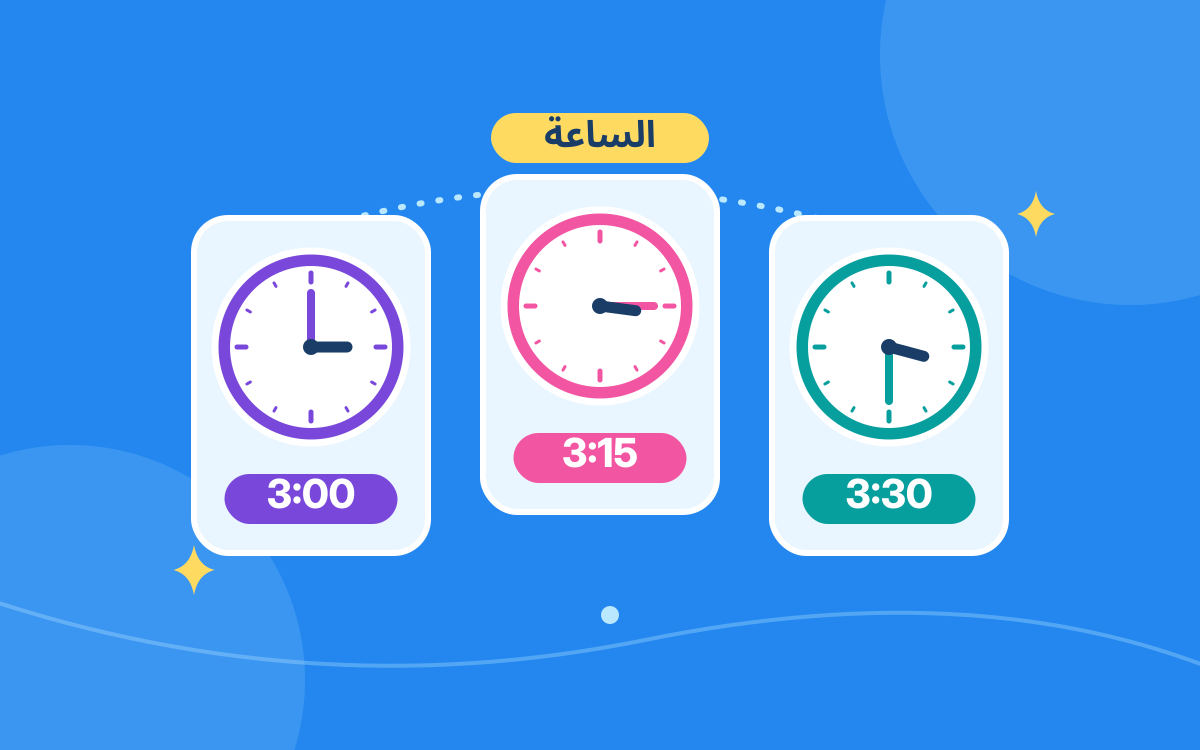
Telling the Time in Arabic: Hours, Half Past and Quarter Past
فِي السَّادِسَةِ وَالرُّبْعِ
Read full hours, half past, and quarter past in a daily schedule.
Because in Arabic: Give a Reason with Lianna
لِأَنَّنِي أَنَامُ فِي الْعَاشِرَةِ
Explain why a new routine feels easier.
Arabic Question Words: Who, What, Where, When, and Why
مَتَى يَنْتَهِي دَوَامُكِ الْجَدِيدُ
Ask when a workday starts and finishes.