Salma is choosing a dinner menu for her guest Huda. Practise asking about ingredients, checking preferences, and agreeing on a small contribution.
01Read the Arabic conversation
سُؤَالُ الضَّيْفِ عَنْ تَفْضِيلَاتِهِ فِي الطَّعَامِ
سَلْمَى: مَاذَا تُحِبِّينَ أَنْ تَأْكُلِي عِنْدَنَا غَدًا يَا هُدَى؟
هُدَى: أُحِبُّ الْخَضْرَاوَاتِ، وَلَا آكُلُ كَثِيرًا مِنَ اللَّحْمِ. وَأُحِبُّ الطَّعَامَ الْمَنْزِلِيَّ أَيْضًا.
سَلْمَى: أَتُفَضِّلِينَ الْأَرُزَّ بِالْخَضْرَاوَاتِ أَمِ الْمَعْكَرُونَةَ بِالطَّمَاطِمِ؟
هُدَى: أُفَضِّلُ الْأَرُزَّ. وَهَلْ يَحْتَوِي الْحَسَاءُ عَلَى الْحَلِيبِ؟
سَلْمَى: لَا، فِيهِ طَمَاطِمُ وَبَصَلٌ وَمَاءٌ فَقَطْ.
هُدَى: مُمْتَازٌ، لَا أُحِبُّ الْحَلِيبَ فِي الْحَسَاءِ.
سَلْمَى: هَلْ تُرِيدِينَ بَيْضًا أَيْضًا؟
هُدَى: شُكْرًا، الْأَرُزُّ يَكْفِي. أُفَضِّلُ عَشَاءً خَفِيفًا.
سَلْمَى: وَمَا رَأْيُكِ فِي سَلَطَةِ الْخِيَارِ وَالطَّمَاطِمِ؟
هُدَى: فِكْرَةٌ جَيِّدَةٌ، مَعَ قَلِيلٍ مِنَ اللَّيْمُونِ مِنْ فَضْلِكِ.
سَلْمَى: وَمَاذَا تَشْرَبِينَ، مَاءً أَمْ عَصِيرَ بُرْتُقَالٍ؟
هُدَى: مَاءً مِنْ فَضْلِكِ. سَأُحْضِرُ تُفَّاحًا لِنَأْكُلَهُ بَعْدَ الْعَشَاءِ.
سَلْمَى: لَا دَاعِيَ لِذَلِكَ، لِأَنَّ الْفَاكِهَةَ مَوْجُودَةٌ فِي الْبَيْتِ.
هُدَى: إِذَنْ، سَأُحْضِرُ خُبْزًا طَازَجًا مِنَ الْمَخْبَزِ.
سَلْمَى: شُكْرًا لَكِ. هَلِ السَّاعَةُ السَّابِعَةُ مُنَاسِبَةٌ؟
هُدَى: نَعَمْ، أَرَاكِ غَدًا فِي السَّابِعَةِ مَسَاءً. وَشُكْرًا عَلَى الدَّعْوَةِ.
Show English translationHide English translation
Salma: What would you like to eat at our home tomorrow, Huda?
Huda: I like vegetables, and I do not eat much meat. I also like home-cooked food.
Salma: Do you prefer rice with vegetables or pasta with tomatoes?
Huda: I prefer rice. And does the soup contain milk?
Salma: No, it only has tomatoes, onions, and water.
Huda: Excellent. I do not like milk in soup.
Salma: Would you like eggs as well?
Huda: Thank you, the rice is enough. I prefer a light dinner.
Salma: And what do you think about a cucumber and tomato salad?
Huda: A good idea, with a little lemon, please.
Salma: And what will you drink: water or orange juice?
Huda: Water, please. I will bring apples for us to eat after dinner.
Salma: There is no need for that because we have fruit at home.
Huda: Then I will bring fresh bread from the bakery.
Salma: Thank you. Is seven o’clock suitable?
Huda: Yes. See you tomorrow at seven in the evening. And thank you for the invitation.
02Useful words and expressions
| Arabic in the conversation | Meaning here |
|---|---|
| تُفَضِّلِينَ | you prefer (addressing one woman) |
| يَحْتَوِي | contains |
| الْحَسَاءُ | the soup |
| عَشَاءً خَفِيفًا | a light dinner |
| قَلِيلٍ مِنَ اللَّيْمُونِ | a little lemon |
| لَا دَاعِيَ لِذَلِكَ | there is no need for that |
| خُبْزًا طَازَجًا | fresh bread |
| مُنَاسِبَةٌ | suitable |
03Check your understanding
Choose one answer for each question. Look back at the Arabic conversation for evidence. Open the English question support or a hint when you need help.
What to remember
- Ask about the food and ingredients before settling on a menu.
- Respond to a guest’s preferences, then confirm a contribution and an arrival time.
Explore the Arabic in this conversation
Related grammar and vocabularyOpen Araqick guides connected to this conversation.
Arabic Question Words: Who, What, Where, When, and Why
مَاذَا تُحِبِّينَ أَنْ تَأْكُلِي؟
Use what questions to ask a guest about food and drink preferences.
Arabic Future Tense for Beginners: Talk About Tomorrow
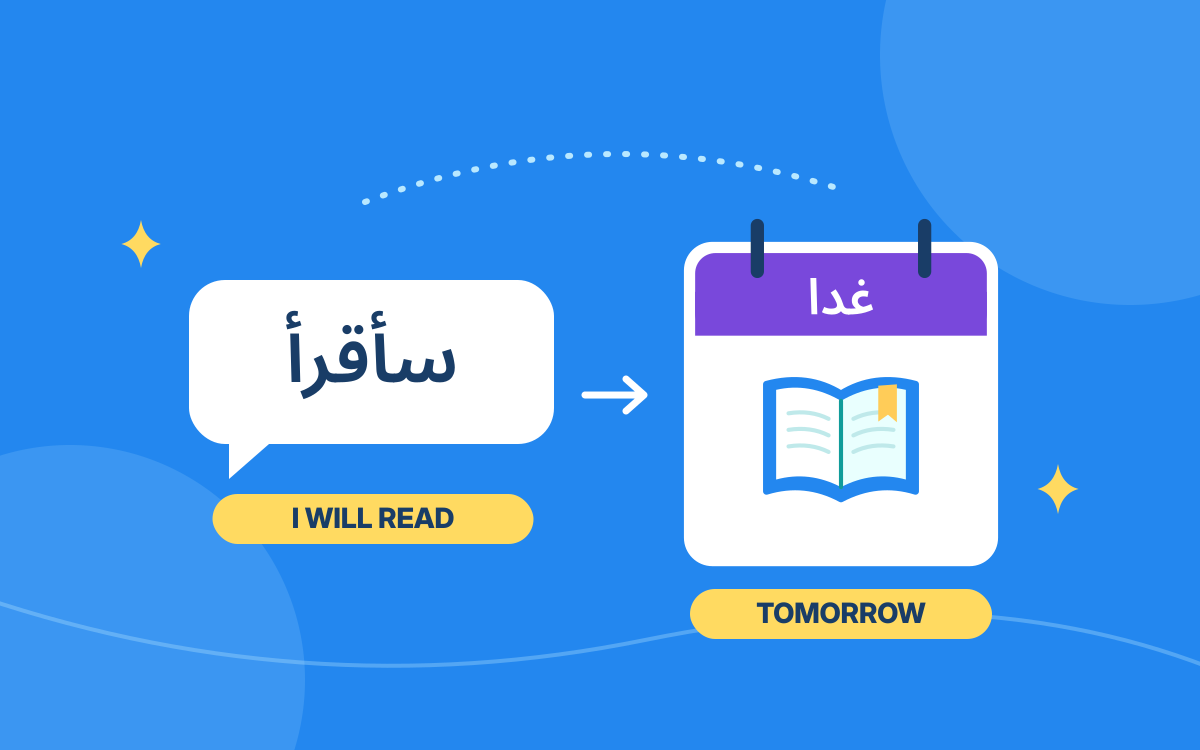
سَأُحْضِرُ خُبْزًا طَازَجًا
Recognise the attached future prefix when offering a contribution.
Because in Arabic: Give a Reason with Lianna
لِأَنَّ الْفَاكِهَةَ مَوْجُودَةٌ فِي الْبَيْتِ
Use a complete reason to explain why an offer is unnecessary.