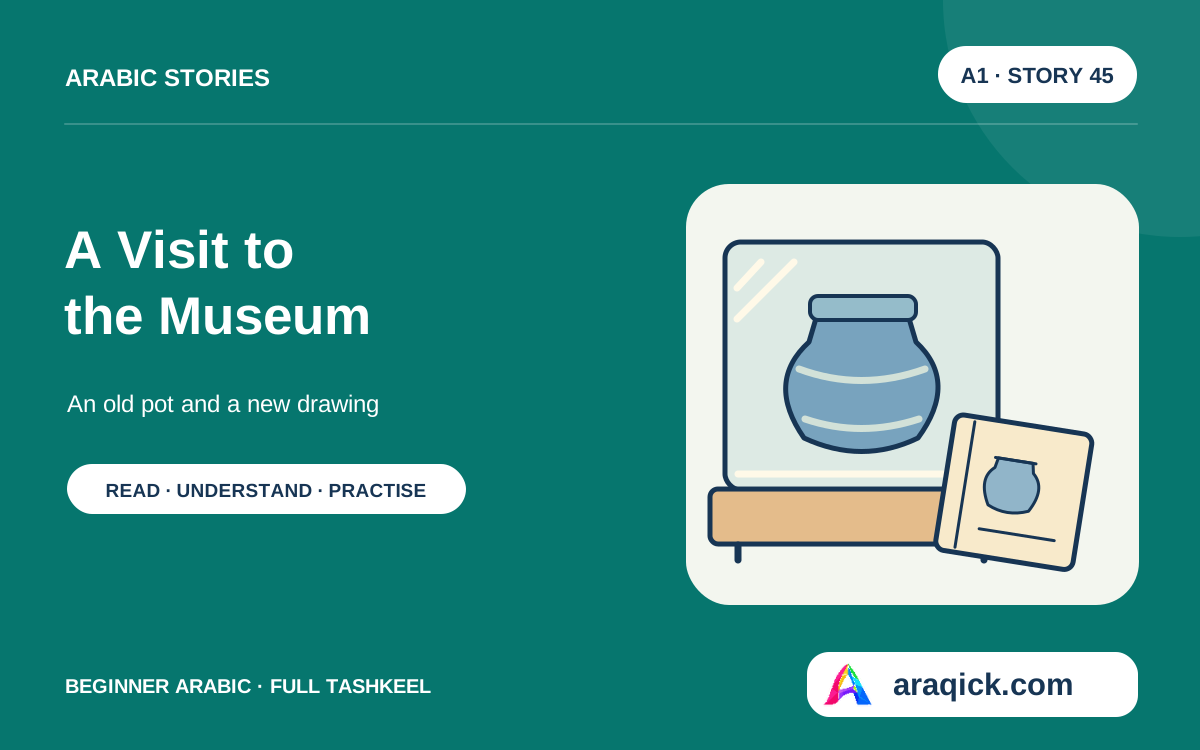
Noor uses a simple museum map to find an interesting room. One colourful object becomes the subject of a drawing in her notebook.
01Read the Arabic story
زِيَارَةٌ إِلَى الْمَتْحَفِ
اِسْمِي نُورٌ. أَزُورُ الْمَتْحَفَ مَعَ أُمِّي صَبَاحًا. أَحْمِلُ دَفْتَرًا وَقَلَمًا فِي حَقِيبَتِي. عِنْدَ الْبَابِ، تُعْطِينِي الْمُوَظَّفَةُ خَرِيطَةً صَغِيرَةً. عَلَى الْخَرِيطَةِ غُرَفٌ وَأَرْقَامٌ. أُرِيدُ أَنْ أَرَى الْغُرْفَةَ رَقْمَ ثَلَاثَةٍ أَوَّلًا.
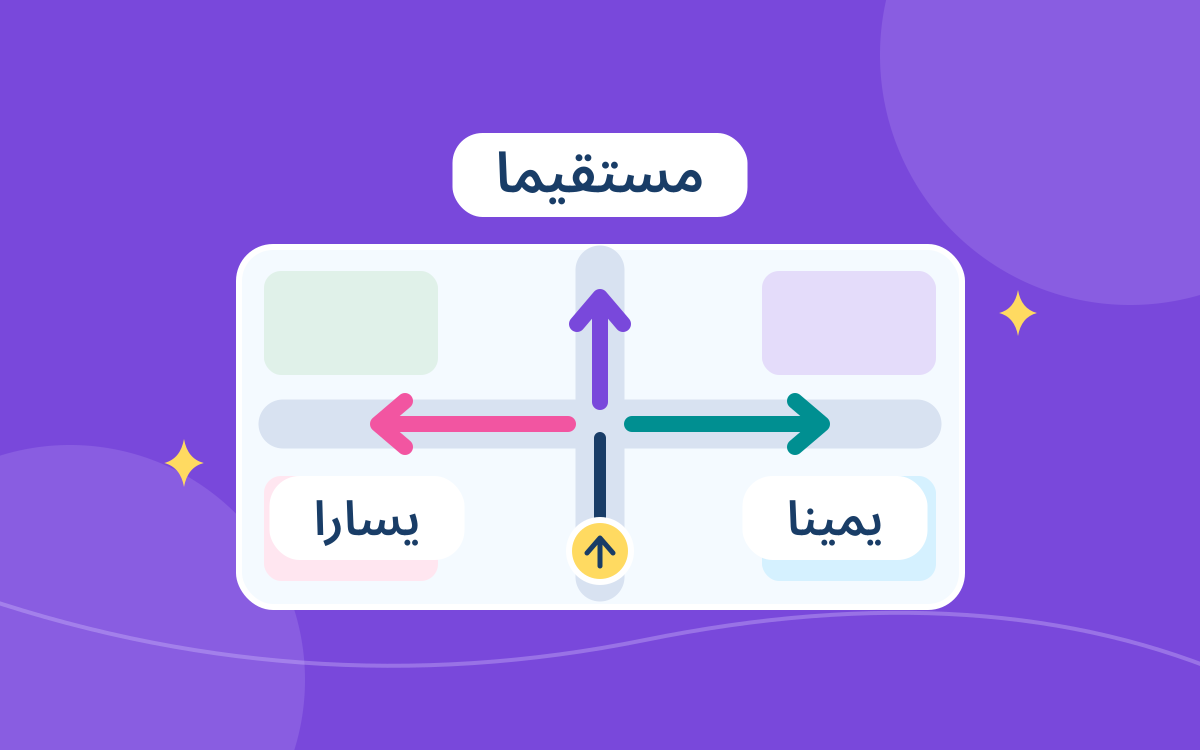
أَسْأَلُ الْمُوَظَّفَةَ: «أَيْنَ هَذِهِ الْغُرْفَةُ، مِنْ فَضْلِكِ؟» تَقُولُ: «اِذْهَبِي مُسْتَقِيمًا، ثُمَّ اِنْعَطِفِي يَمِينًا عِنْدَ السَّاعَةِ». أَمْشِي مَعَ أُمِّي وَأَنْظُرُ إِلَى الْأَرْقَامِ. أَرَى السَّاعَةَ عَلَى الْجِدَارِ، فَأَنْعَطِفُ يَمِينًا. هَا هِيَ الْغُرْفَةُ!
فِي الْغُرْفَةِ أَشْيَاءُ قَدِيمَةٌ كَثِيرَةٌ. أَرَى إِنَاءً أَزْرَقَ فِي صُنْدُوقٍ زُجَاجِيٍّ. بِجَانِبِهِ إِنَاءٌ صَغِيرٌ، وَلَكِنَّنِي أُحِبُّ الْإِنَاءَ الْأَزْرَقَ أَكْثَرَ. أَجْلِسُ عَلَى مَقْعَدٍ وَأَفْتَحُ دَفْتَرِي. أَرْسُمُ الْإِنَاءَ بِبُطْءٍ، وَأُمِّي تَجْلِسُ بِجَانِبِي.
أُرِي أُمِّي الرَّسْمَ فَتَبْتَسِمُ. تَقُولُ: «رَسْمُكِ جَمِيلٌ!» أَكْتُبُ تَحْتَ الرَّسْمِ: «إِنَاءٌ أَزْرَقُ فِي الْمَتْحَفِ». ثُمَّ نَزُورُ غُرْفَةً أُخْرَى. عِنْدَ الْخُرُوجِ أَضَعُ الْخَرِيطَةَ فِي دَفْتَرِي. عِنْدِي الْآنَ رَسْمٌ وَخَرِيطَةٌ مِنْ زِيَارَتِي.
Show English translationHide English translation
My name is Noor. I visit the museum with my mother in the morning. I carry a notebook and a pencil in my bag. At the door, the staff member gives me a small map. There are rooms and numbers on the map. I want to see room number three first.
I ask the staff member, “Where is this room, please?” She says, “Go straight ahead, then turn right at the clock.” I walk with my mother and look at the numbers. I see the clock on the wall, so I turn right. Here is the room!
There are many old objects in the room. I see a blue pot in a glass display case. Beside it is a small pot, but I like the blue pot more. I sit on a bench and open my notebook. I draw the pot slowly, and my mother sits beside me.
I show my mother the drawing, and she smiles. She says, “Your drawing is lovely!” I write under the drawing, “A blue pot in the museum.” Then we visit another room. As we leave, I put the map in my notebook. Now I have a drawing and a map from my visit.
02Useful words from the story
| Arabic in the story | Meaning here |
|---|---|
| الْمَتْحَفَ | the museum |
| الْمُوَظَّفَةُ | the female staff member |
| خَرِيطَةً | a map |
| مُسْتَقِيمًا | straight ahead |
| يَمِينًا | to the right |
| إِنَاءً | a pot |
| الرَّسْمَ | the drawing |
03Check your understanding
Choose one answer for each question. Look back at the Arabic story when you need a clue. Open the English support if you need help understanding a question.
What to remember
- Read the two directions in order and identify the turning point.
- Separate the object Noor draws from the map she keeps.
Explore the Arabic in this story
Related grammar and vocabularyOpen Araqick guides connected to this story.
Directions in Arabic: Left, Right and Straight Ahead
اِذْهَبِي مُسْتَقِيمًا، ثُمَّ اِنْعَطِفِي يَمِينًا
Follow straight ahead and then right, using the clock as the turning point.
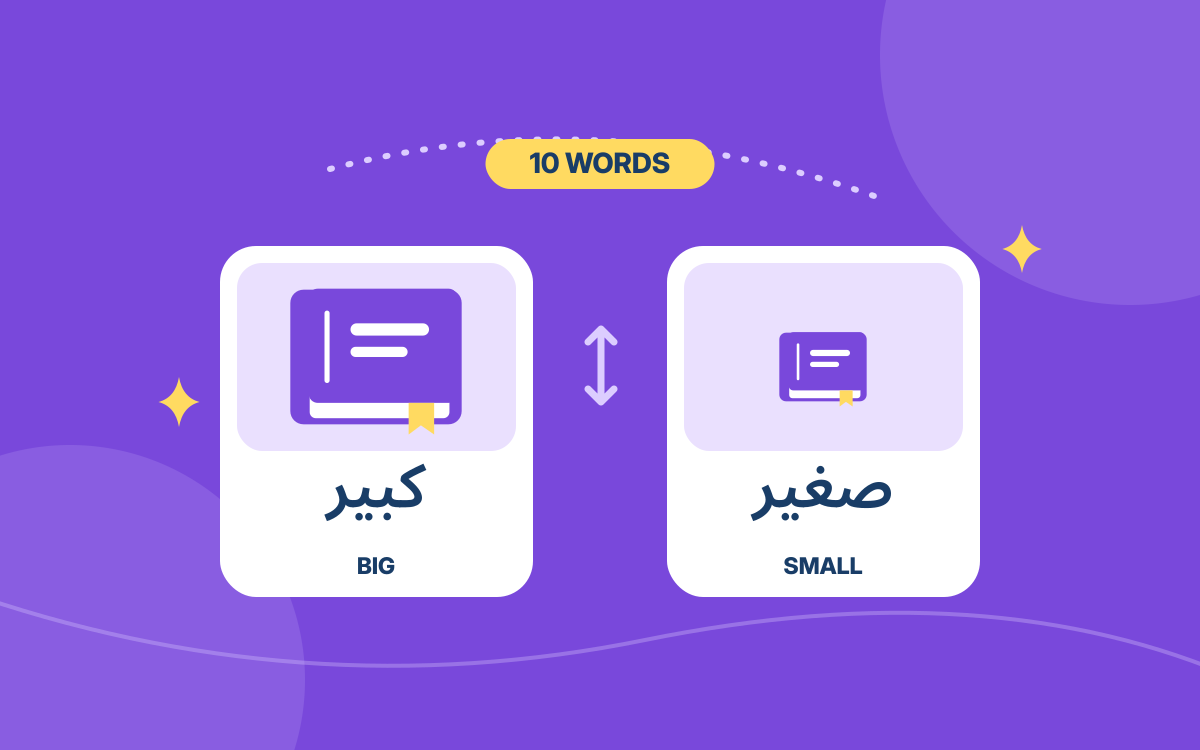
Arabic Adjectives: 10 Words to Describe Everyday Things
إِنَاءٌ صَغِيرٌ
Review small and old as descriptions of the objects Noor sees.
Colors in Arabic: 10 Color Words with Simple Examples
إِنَاءٌ أَزْرَقُ
Connect the masculine blue form with the pot Noor chooses to draw.