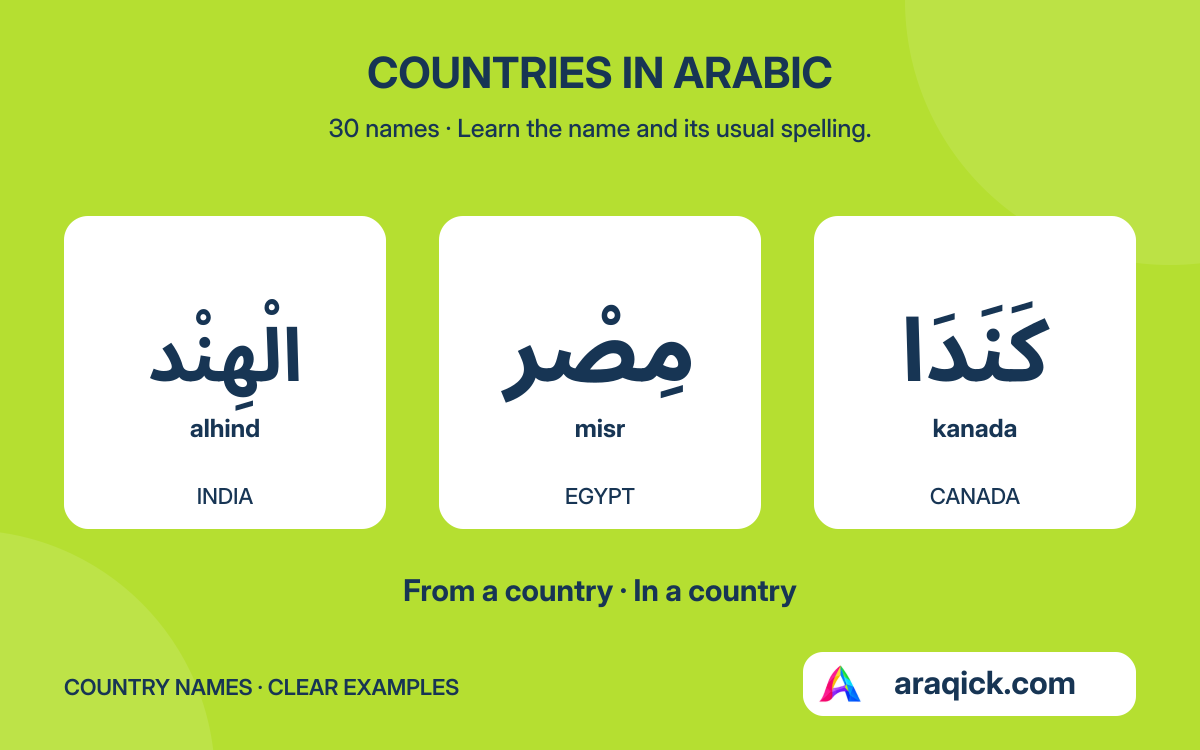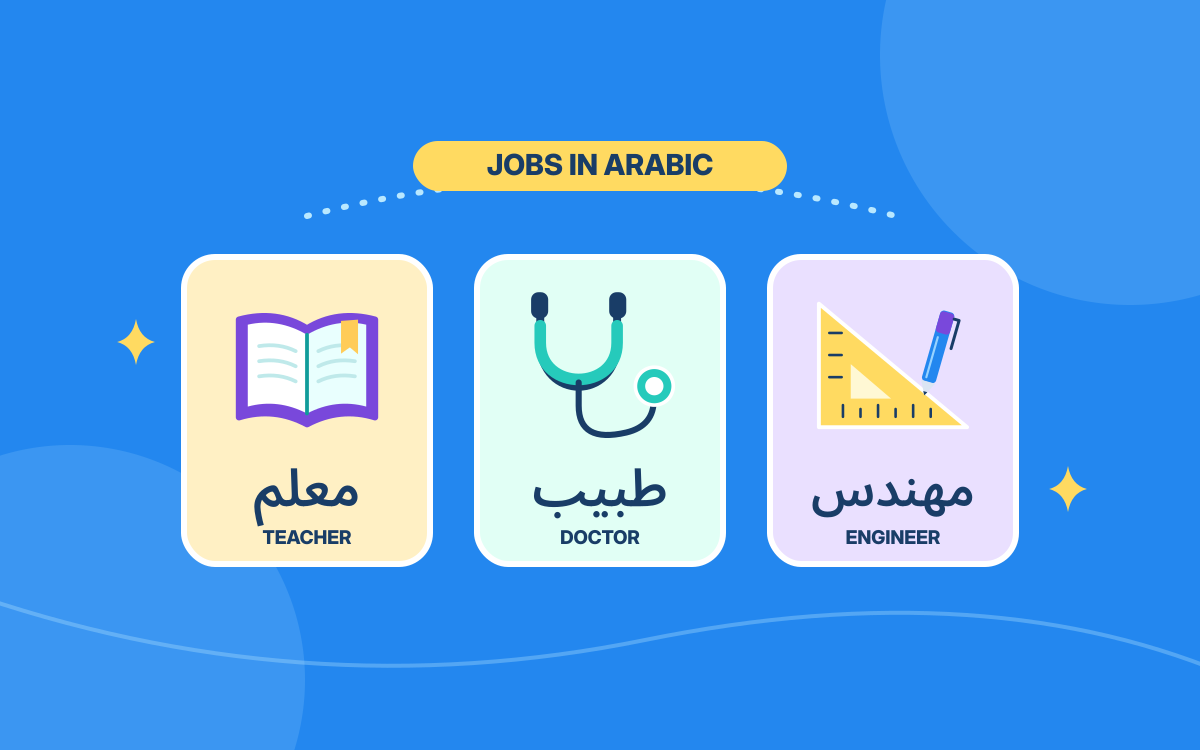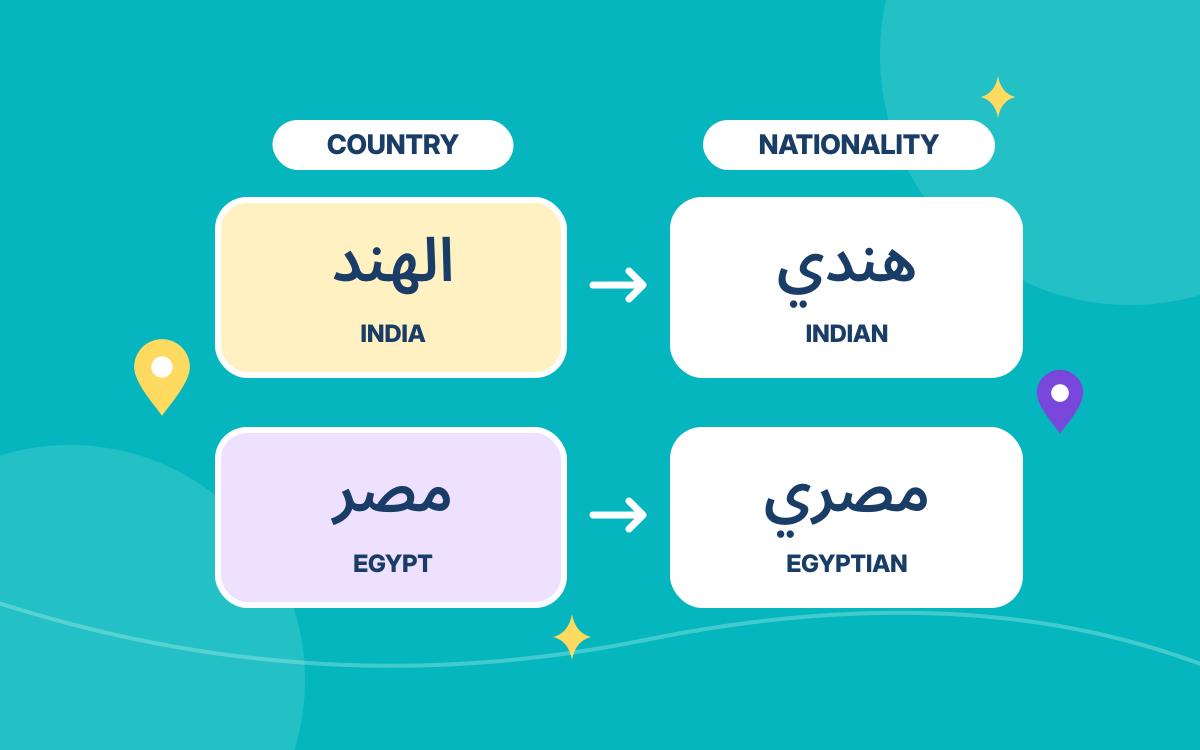
A country name and a nationality are different words: Misr means Egypt, while misri means Egyptian. Start with three useful nationality patterns in Modern Standard Arabic. Then open the reference shelf for ten nationalities and their masculine and feminine forms.
01Begin with Indian and Egyptian
hindi
Indian — masculine
misri
Egyptian — masculine
أَنَا هِنْدِيّ
ana hindi
I am Indian. — masculine speaker
Ana means I. Put the nationality after it; no separate word for am is needed here. Replace hindi with misri to say I am Egyptian. Both examples describe the speaker’s nationality.
02Keep the country and nationality apart
alhind
India
hindi
Indian
misr
Egypt
misri
Egyptian
Min means from. To state where you are from, use ana min followed by a country:
أَنَا مِنَ الهِنْد
ana mina alhind
I am from India.
Before alhind, min is pronounced mina in connected speech. For Egypt, say أَنَا مِنْ مِصْر ana min misr.
The two patterns answer different questions: where you are from, or your nationality. Do not put a country name directly after ana when you mean a nationality.
03Match the person speaking
hindiyya
Indian — feminine
misriyya
Egyptian — feminine
أَنَا مِصْرِيَّة
ana misriyya
I am Egyptian. — feminine speaker
The masculine nationality forms here end in يّ. Their feminine forms end in يَّة. Compare hindi with hindiyya, and misri with misriyya.
- A man: ana hindi.
- A woman: ana hindiyya.
- The listener does not change the speaker’s nationality form.
Keep the country names unchanged. Alhind still means India regardless of who says it.
04Add French to your set
faransa
France
faransi
French — masculine
faransiyya
French — feminine
A masculine speaker says ana faransi; a feminine speaker says ana faransiyya. The country name loses its final alif when forming these nationality words.
أَنَا فَرَنْسِيَّة
ana faransiyya
I am French. — feminine speaker
Learn the country and its nationality together instead of adding an ending blindly to every country name. The reference below gives the complete forms for ten useful pairs.
05Make a two-part introduction
اِسْمِي ismi means my name is. Use it for the name, then start a separate short nationality sentence:
اِسْمِي سَارَة. أَنَا هِنْدِيَّة.
ismi sara ana hindiyya
My name is Sara. I am Indian.
In this practice introduction, Sara is a woman, so the nationality is hindiyya. Build your own version with your name and the form that fits you.
- Choose the nationality word, not the country name.
- Check the masculine or feminine ending.
- Keep each first sentence short and easy to say.
Three patterns are enough for today’s questions. Use the ten-word reference whenever you want to extend your introduction.
What to remember
- A country and a nationality differ: alhind is India; hindi and hindiyya mean Indian.
- Use ana plus the matching nationality form, or ana min plus a country to say where you are from.
- Practise three nationalities first, then use the reference to learn another one you need.
Your reference shelf
Open a guide whenever you need it.
Ten nationalities: countries and both formsOpen the complete word list when you need another nationality
On a small screen, scroll sideways to compare all forms.
| Nationality | Country | Masculine | Feminine |
|---|---|---|---|
| Indian | الهِنْد alhind | هِنْدِيّ hindi | هِنْدِيَّة hindiyya |
| Egyptian | مِصْر misr | مِصْرِيّ misri | مِصْرِيَّة misriyya |
| Saudi | السُّعُودِيَّة assuudiyya | سُعُودِيّ suudi | سُعُودِيَّة suudiyya |
| Moroccan | المَغْرِب almaghrib | مَغْرِبِيّ maghribi | مَغْرِبِيَّة maghribiyya |
| Jordanian | الأُرْدُنّ alurdunn | أُرْدُنِّيّ urdunni | أُرْدُنِّيَّة urdunniyya |
| Lebanese | لُبْنَان lubnan | لُبْنَانِيّ lubnani | لُبْنَانِيَّة lubnaniyya |
| Iraqi | العِرَاق aliraq | عِرَاقِيّ iraqi | عِرَاقِيَّة iraqiyya |
| French | فَرَنْسَا faransa | فَرَنْسِيّ faransi | فَرَنْسِيَّة faransiyya |
| British | بِرِيطَانِيَا britaniya | بِرِيطَانِيّ britani | بِرِيطَانِيَّة britaniyya |
| Pakistani | بَاكِسْتَان bakistan | بَاكِسْتَانِيّ bakistani | بَاكِسْتَانِيَّة bakistaniyya |
These are singular Modern Standard Arabic forms. In these nationality adjectives, the feminine ending is written with يَّة. Plain transliteration uses iyya to help distinguish it from the masculine i ending.
Sources & further learning
References for the language explanations and learning guidance.